


Gliding Experiences















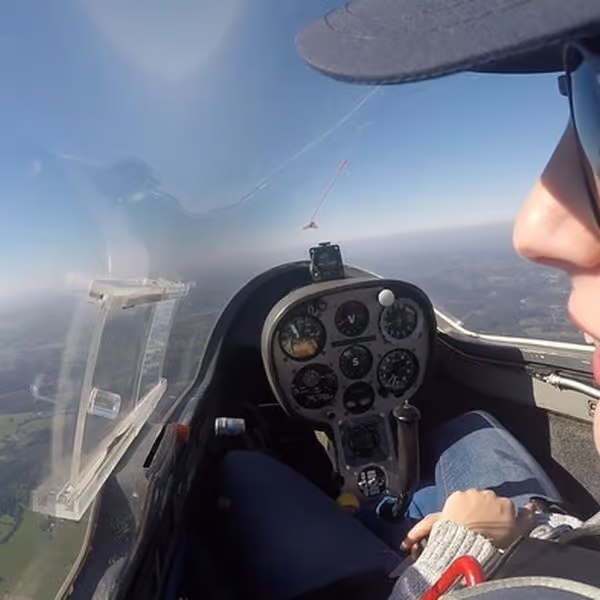
Sourcing Gliding Experiences
Gliding experiences offer a unique way to experience flight without the constant noise and vibration associated with powered aircraft. Using thermal lift, ridge lift and carefully managed energy, gliders provide a smooth and highly immersive flying experience that appeals to aviation enthusiasts, aspiring pilots and adventure seekers alike. Users searching for gliding experiences, glider trial lessons and soaring flights can explore providers offering introductory flights, dual instruction, scenic soaring experiences and club-based aviation activities through the listings available on AvPay. Many operators also provide opportunities for participants to take the controls under instructor supervision, making gliding an excellent introduction to aviation fundamentals.
Helpful Hints when Sourcing Gliding Experiences
✈ Weather conditions play a major role in gliding operations, so flexible booking dates often improve the chances of achieving longer soaring flights.
✈ Ask whether the experience includes a simple launch and circuit flight or an extended soaring session using thermal lift conditions.
✈ Gliding clubs located near hills or open countryside often benefit from stronger soaring conditions and more scenic flight opportunities.
✈ Trial gliding lessons are ideal for aspiring pilots because many providers allow participants to handle the controls during flight.
✈ Check whether launch methods involve aerotow or winch launch because each provides a different experience during take-off.
✈ Lightweight clothing and sunglasses are often recommended because glider cockpits can become warm during summer flying conditions.
✈ Some gliding experiences are operated by volunteer-run clubs, so operational schedules may differ from commercial aviation providers.
✈ Booking a gliding experience at a busy soaring site can provide additional value because visitors can observe multiple launches and recoveries.
What to Consider when Choosing a Provider
When selecting a gliding experience provider, consider instructor qualifications, launch methods, airfield location and the likelihood of strong soaring conditions in the operating area. Some providers focus on introductory flights for first-time participants, while others specialise in longer soaring flights and pilot training. It is also worth reviewing aircraft type, seasonal weather patterns and operational flexibility before booking. Through AvPay, users can contact providers directly via phone, email or WhatsApp through the listings, and can also click the organisation’s name to explore their full company profile and additional aviation services.
Market your Gliding Experience Services on AvPay
AvPay helps gliding clubs, soaring centres and aviation experience providers connect with aviation enthusiasts actively searching for unique flight experiences. Listing your gliding experiences on AvPay allows you to showcase aircraft, launch methods, scenic flying locations and introductory training opportunities within a global aviation marketplace. Providers can also generate enquiries for trial lessons, membership programmes and advanced soaring instruction through a professional aviation-focused audience.
➤ List your Company and Services on AvPay
Frequently Asked Questions when Searching for Gliding Experiences
✈ What is a gliding experience?
A gliding experience allows participants to fly in an unpowered aircraft using natural lift and atmospheric conditions to remain airborne.
✈ Can beginners take part in gliding experiences?
Yes, most gliding experiences are designed specifically for beginners and are flown with qualified instructors.
✈ Do gliders have engines?
Traditional gliders do not use engines during normal flight and instead rely on thermal lift and aerodynamic efficiency.
✈ What is the difference between winch launch and aerotow?
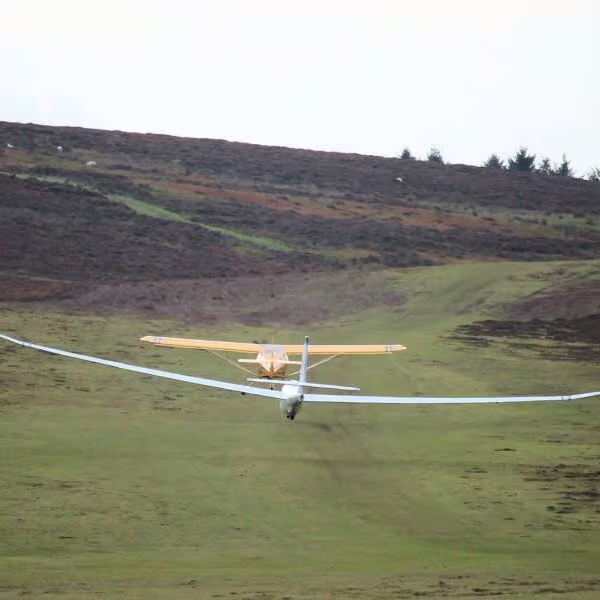
Winch launches rapidly pull the glider into the air from the ground, while aerotow launches use a powered aircraft to tow the glider aloft.
✈ How long does a gliding experience last?
Flight duration depends heavily on weather conditions and the type of experience booked, particularly soaring conditions.
✈ Can participants fly the glider themselves?
Many providers allow participants to take the controls during suitable phases of flight under instructor supervision.
✈ Are gliding experiences weather dependent?
Yes, gliding operations rely heavily on weather conditions including wind direction, cloud development and thermal activity.
✈ Can gliding lead to formal pilot training?
Yes, many gliding clubs offer structured training pathways for people interested in progressing towards solo glider operations.
Winch Launch vs Aerotow Explained
Winch launch and aerotow are the two most common ways to get a glider airborne, and each creates a very different start to the flight. A winch launch uses a ground-based cable system to accelerate the glider rapidly into the air, while an aerotow uses a powered aircraft to tow the glider to altitude before release. For anyone booking a gliding experience, understanding the difference can help set expectations around launch style, flight duration and the overall feel of the experience.
✈ A winch launch is usually more dramatic, with strong acceleration and a steep climb that gives first-time passengers a memorable introduction to gliding.
✈ Aerotow launches feel more gradual because the glider follows behind a powered aircraft before releasing at a planned height and location.
✈ Winch launches are often shorter and more cost-effective, making them popular for introductory gliding experiences and club training flights.
✈ Aerotow flights can position the glider closer to thermals, ridge lift or scenic areas, which may increase the chance of a longer soaring flight.
✈ Launch height can vary depending on airfield layout, wind conditions, cable length and tow aircraft performance, so flight duration is never guaranteed.
✈ Winch launching requires efficient ground coordination, while aerotow relies on both glider and tow pilot working smoothly together during climb-out.
✈ Weather conditions influence both methods, but crosswinds, turbulence and low cloud can affect whether launching is suitable on a given day.
✈ For nervous first-time flyers, aerotow may feel gentler, while confident participants often enjoy the energy and immediacy of a winch launch.
Neither launch method is better in every situation. Winch launches offer excitement, efficiency and excellent value, while aerotow provides greater flexibility and can place the glider exactly where soaring conditions look strongest. The best choice depends on the airfield, weather, experience type and the participant’s expectations. A good gliding provider will explain the launch method clearly before flight so passengers know what to expect.