


Clubs, Training & Equipment

















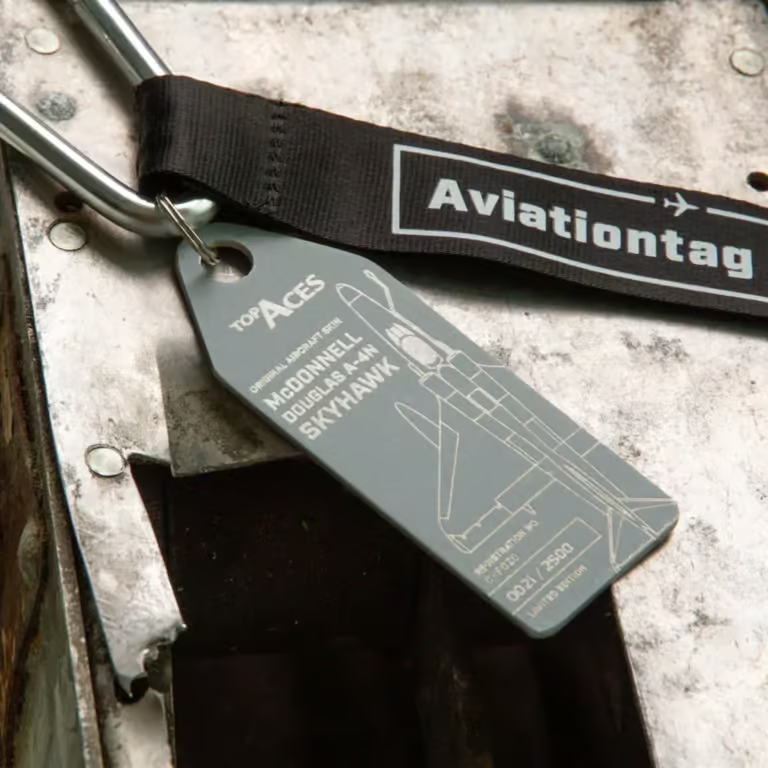

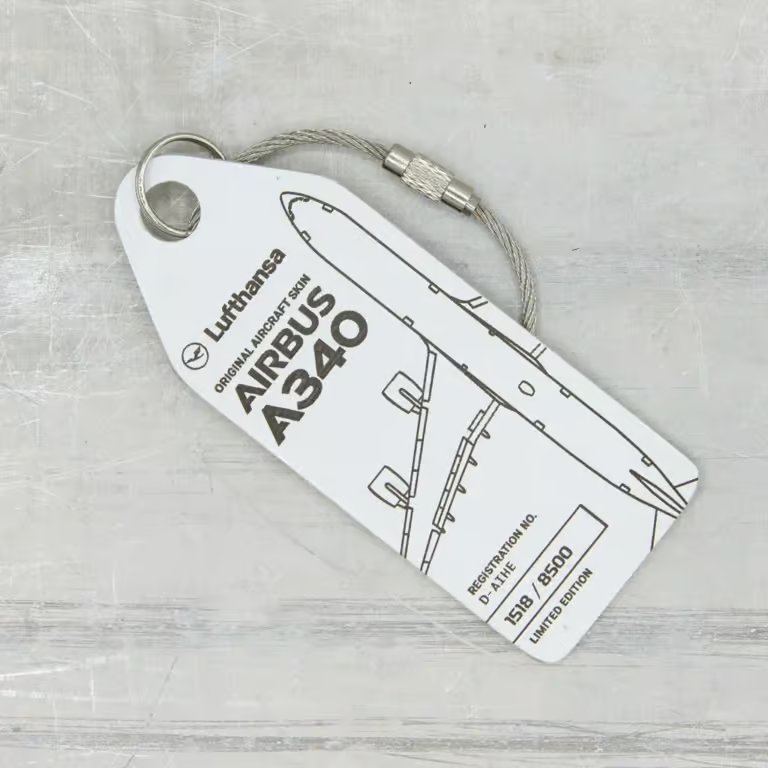




Flying Clubs, Training & Equipment
This section is dedicated to aviation professionals and organisations seeking flying clubs, pilot training providers and aviation equipment through AvPay. Whether you are sourcing structured flight training, joining a flying club to maintain currency or looking for specialist equipment such as simulators, headsets or training aids, you are in the right place. The listings here include established training organisations, club operators and equipment suppliers supporting both private and commercial aviation needs. You can expect providers offering everything from PPL and CPL training to recurrent instruction, aircraft access schemes and essential flight gear.
Helpful Hints when Searching for Flying Clubs, Training & Equipment
✈ Choose a flying club or training provider with aircraft types aligned to your licence or operational goals
✈ Confirm instructor qualifications and approvals such as ATO or DTO certification before committing
✈ Check aircraft availability and booking systems to avoid delays in training progression
✈ Review maintenance standards and CAMO arrangements for any club aircraft you intend to use
✈ Compare hourly rates carefully ensuring fuel, landing fees and instructor time are clearly included
✈ For equipment purchases, verify compatibility with your aircraft or training environment
✈ Ask about insurance requirements and excess liability when joining a flying club
✈ Look for providers offering flexible scheduling or intensive training if you are working to tight timelines
What to Consider when Choosing a Provider
When selecting a flying club, training provider or equipment supplier, focus on operational reliability, regulatory compliance and overall value rather than headline pricing. Ensure the organisation holds the appropriate approvals for the training or services offered and assess aircraft condition, instructor experience and availability, especially if continuity of training is important. For equipment, consider certification standards, durability and after-sales support. It is also worth checking turnaround times for training slots or equipment delivery, particularly during peak seasons. Through AvPay, you can contact providers directly via phone, email or WhatsApp from their listings, and by clicking the company name you can view their full profile, capabilities and additional services.
Market your Flying Clubs, Training & Equipment Services on AvPay
If you operate a flying club, deliver aviation training or supply equipment, listing on AvPay connects you with a global audience of aviation professionals actively searching for these services. A dedicated profile allows you to showcase your fleet, training programmes or product range clearly, helping potential clients understand your offering at a glance. With straightforward enquiry options built into each listing, you can generate direct leads without unnecessary complexity while strengthening your visibility within the aviation marketplace.
➤ List your company and Services on AvPay
Frequently Asked Questions when Searching for Flying Clubs, Training & Equipment
✈ What is the difference between a flying club and an ATO? A flying club typically provides aircraft access and informal training, while an Approved Training Organisation delivers structured, certified courses under regulatory oversight.
✈ How do I choose the right flight training provider? Look at approvals, instructor experience, aircraft availability and training continuity rather than just cost per hour.
✈ Can I hire aircraft without being a club member? Some operators offer self-hire or rental, but many require membership and a checkout flight before approval.
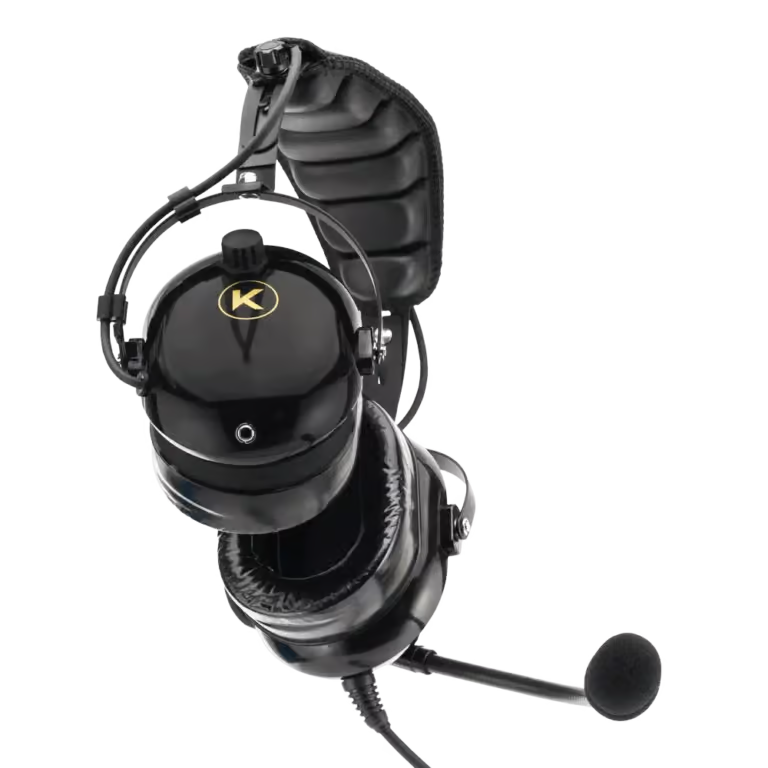
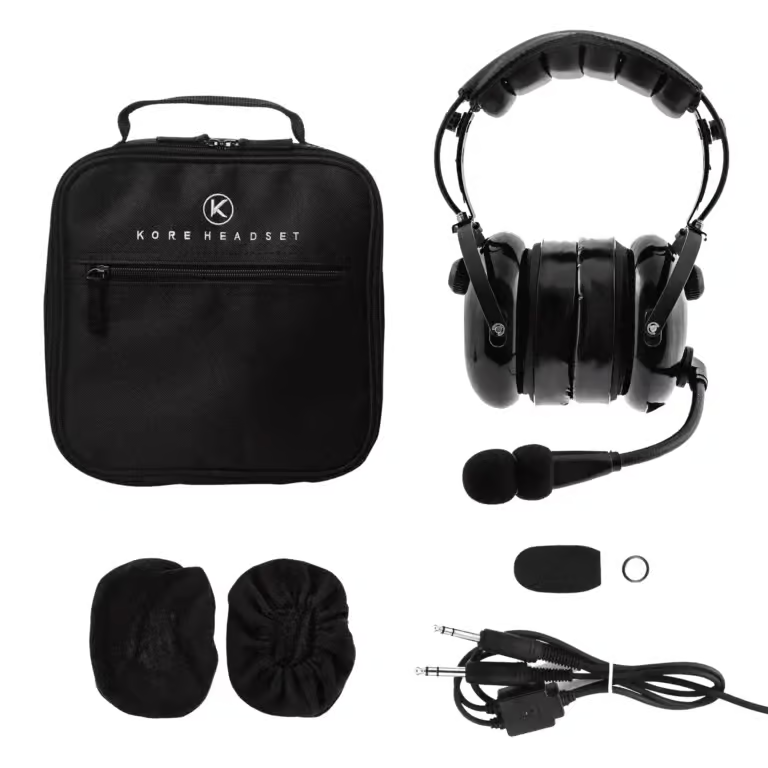
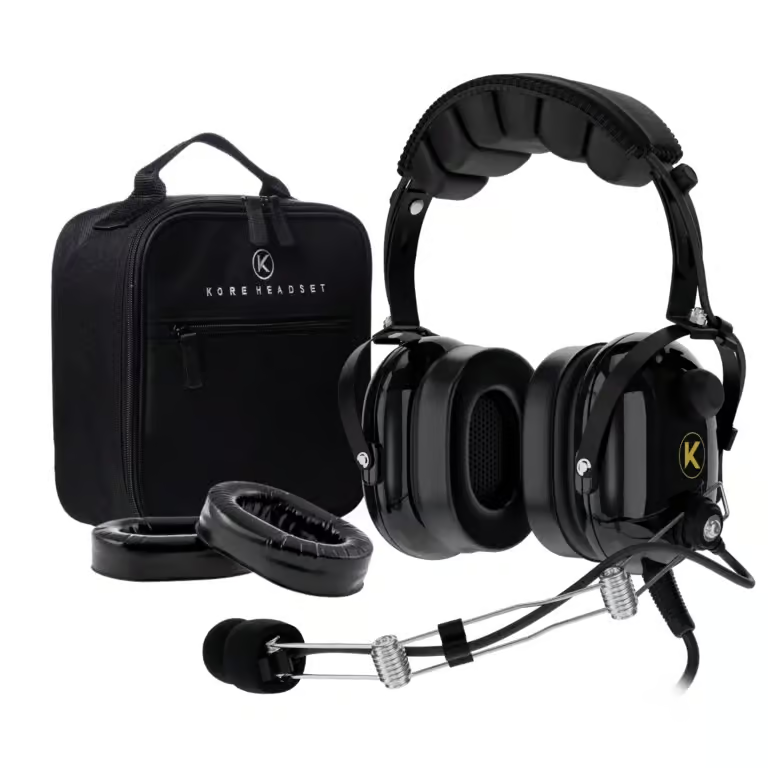
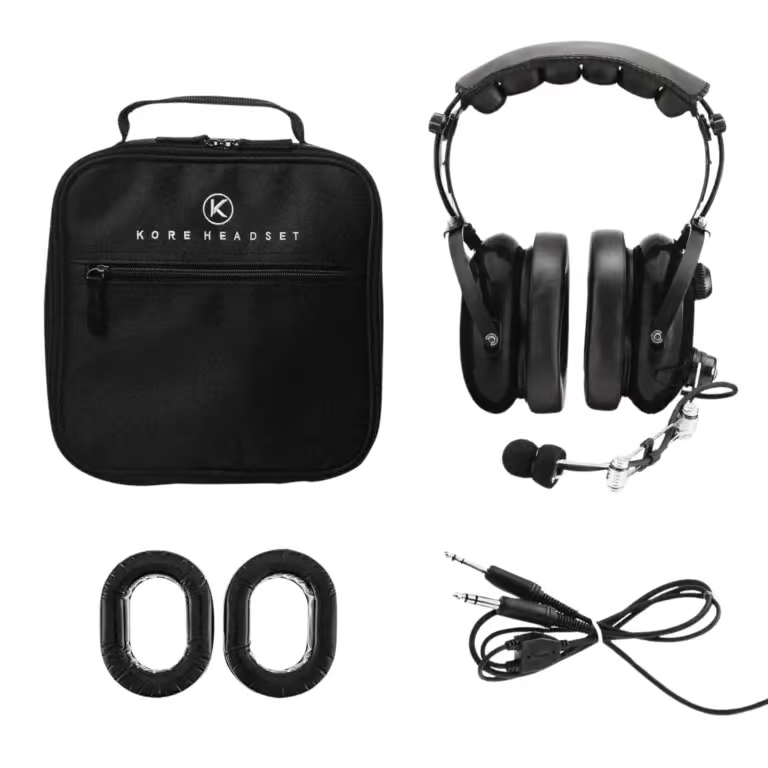
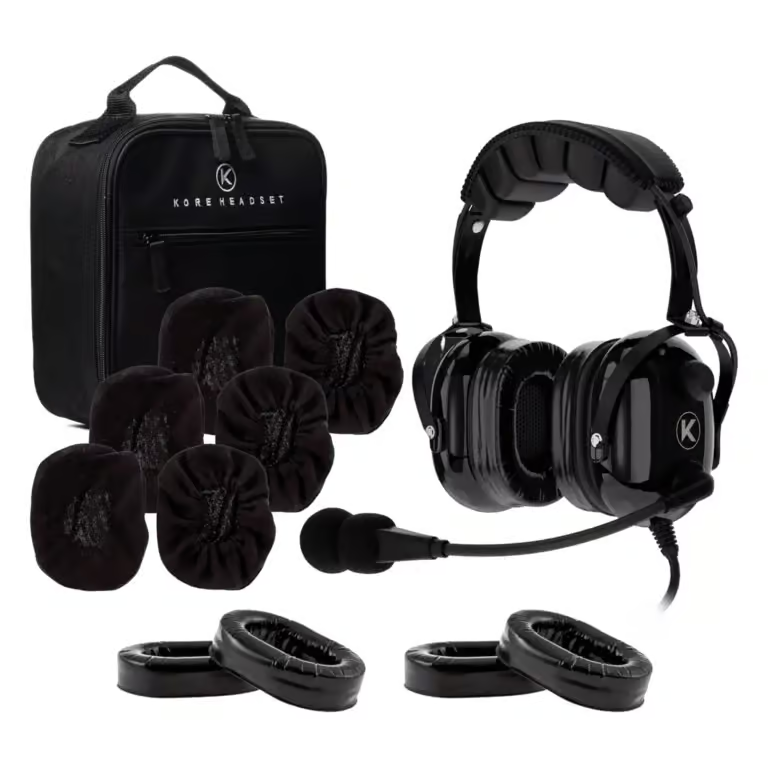
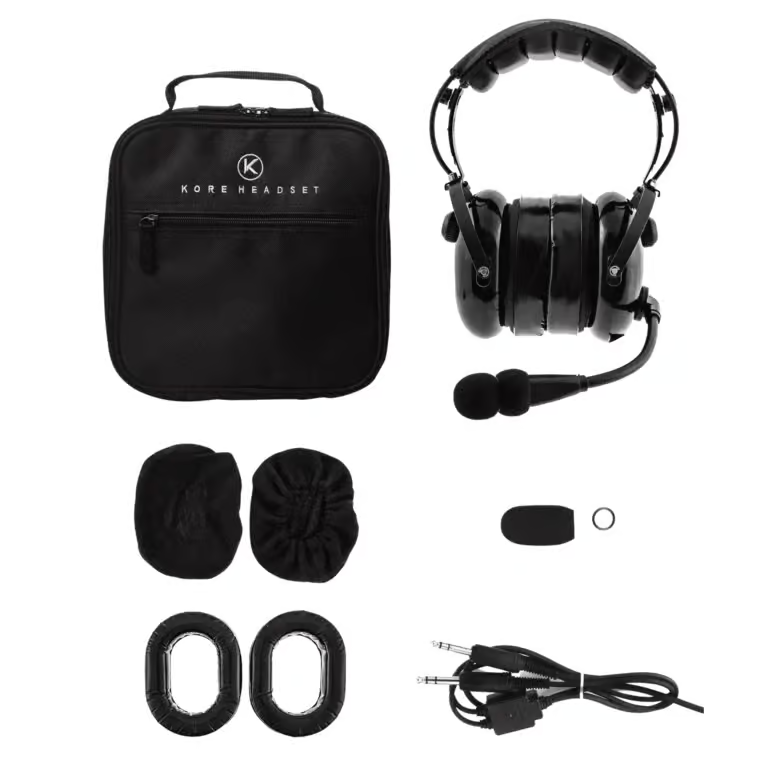
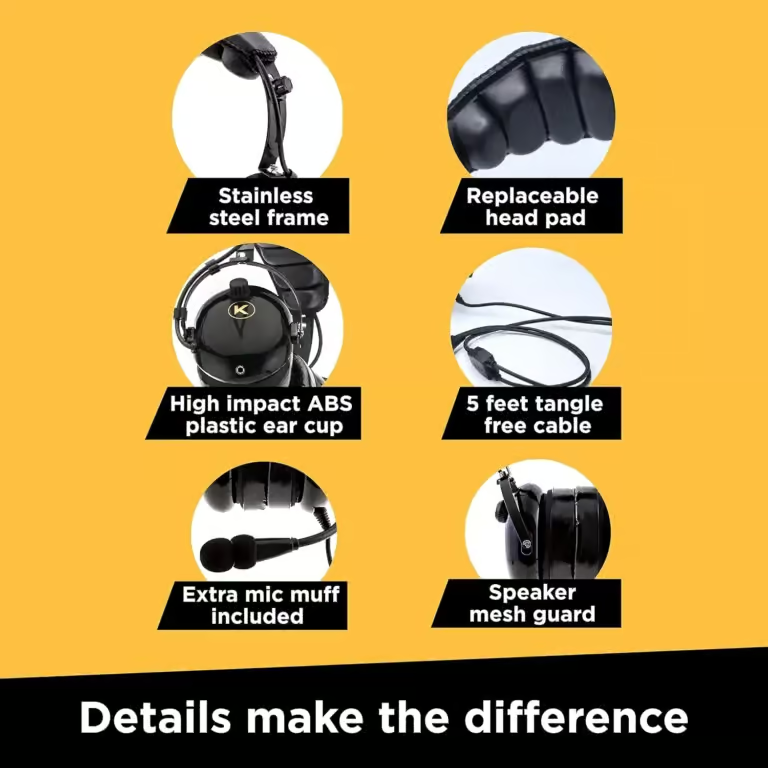
✈ What equipment is essential for pilot training? Core items include an aviation headset, navigation tools, kneeboard and access to current charts and digital flight planning software.
✈ How important is aircraft availability in a flying club? It is critical, limited availability can significantly delay training progression and currency.
✈ Do training providers supply all required materials? Most provide core materials, but you may need to purchase personal equipment such as headsets or study guides separately.
✈ What should I check before buying aviation training equipment? Confirm certification standards, compatibility and whether the equipment meets your intended training requirements.
✈ Can I complete advanced ratings through flying clubs? Some clubs offer additional ratings, but more complex training such as CPL or IR is usually delivered through approved training organisations.
Types of Flight Training Available
Choosing the right flight training route depends on your current licence, experience level, operational goals and the type of flying you plan to carry out. On AvPay, users can discover training providers offering a broad range of pilot training services, from private flying qualifications through to commercial pilot development, advanced ratings and recurrent training.
✈ Private Pilot Licence (PPL) Training
PPL training is often the starting point for pilots who want to fly privately, build confidence in light aircraft and develop core handling, navigation and radio communication skills. When comparing PPL training providers, consider aircraft availability, instructor continuity, ground school support and whether the fleet suits your preferred training style.
✈ Commercial Pilot Licence (CPL) Training
CPL training is designed for pilots progressing towards professional aviation roles, including commercial operations and charter flying. Look for providers with strong regulatory approvals, experienced instructors and suitable aircraft that reflect commercial training standards.
✈ ATPL Theory Courses
ATPL theory is a key requirement for pilots working towards airline transport operations and covers subjects such as performance, meteorology, navigation and air law. Providers may offer classroom, distance learning or blended formats, so selecting the right structure is important for effective study.
✈ Instrument Rating (IR)
An Instrument Rating allows pilots to operate in instrument meteorological conditions and is essential for many commercial and advanced private flying roles. When selecting IR training, review simulator access, aircraft capability and instructor experience.
✈ Multi-Engine Piston (MEP) Training
MEP training introduces pilots to multi-engine aircraft operations, including asymmetric flight and engine failure procedures. This is a key step for those progressing towards commercial aviation or more complex aircraft.
✈ Night Rating
A Night Rating enables pilots to operate after sunset, increasing flexibility and extending flying opportunities. It is particularly useful in regions where daylight hours are limited for parts of the year.
✈ Instructor Ratings
Instructor ratings are aimed at experienced pilots looking to train others within flying clubs or approved training organisations. The quality of mentoring and teaching exposure plays a significant role in long-term development.
Aircraft Types Commonly Used for Training
The aircraft used during training directly influences skill development, cost efficiency and long term progression, so understanding fleet differences is essential when selecting a provider.
✈ Single Engine Piston Aircraft
Single engine piston aircraft such as the Cessna 152, Cessna 172 and Piper PA28 are widely used for PPL and hour building due to their stable handling, lower operating costs and suitability for foundational flight training.
✈ Glass Cockpit vs Analogue
Analogue cockpits help develop strong core flying and instrument scanning skills, while glass cockpit aircraft introduce pilots to modern avionics, GPS navigation and integrated flight displays used in newer fleets.
✈ Multi Engine Trainers
Multi engine aircraft are essential for MEP training, allowing pilots to gain experience in asymmetric flight, engine failure procedures and higher workload environments required for commercial progression.
✈ Simulator Integration
Simulators and flight training devices are increasingly used to practise instrument procedures, abnormal scenarios and emergency handling in a controlled and cost effective environment.
Reviewing aircraft types, avionics fit and simulator access helps ensure the provider aligns with your training goals and future flying requirements.