


Headsets









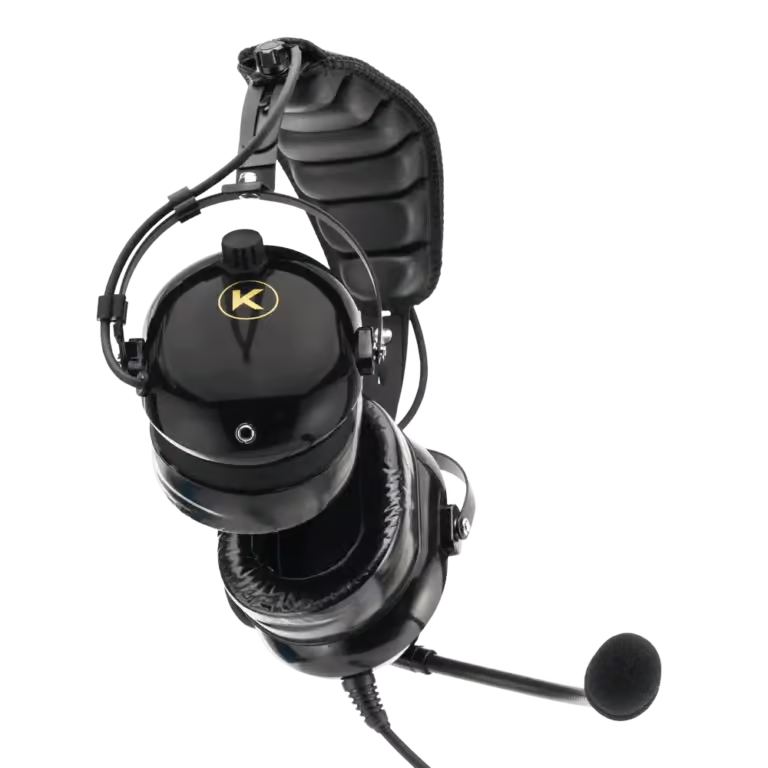

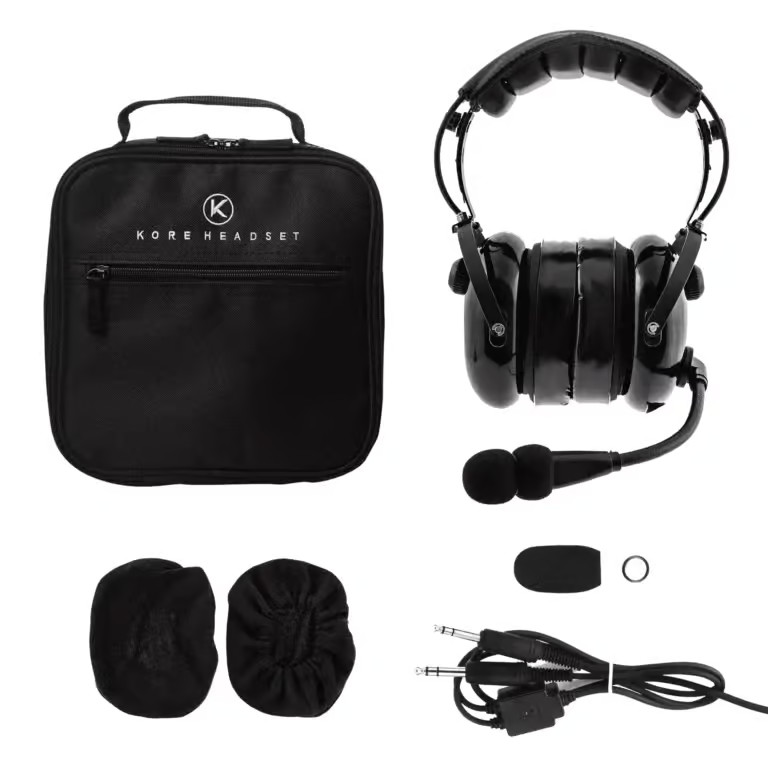
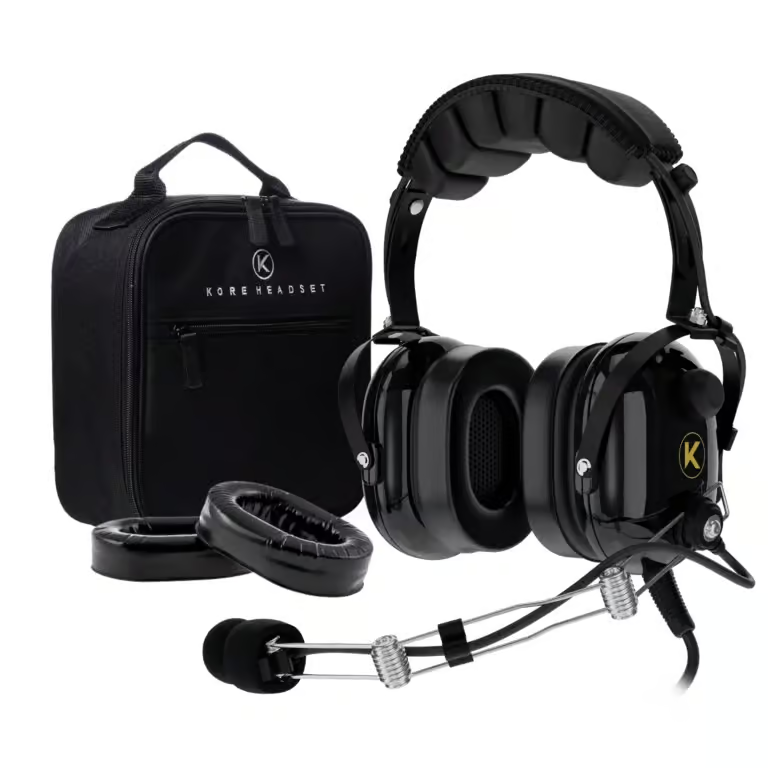
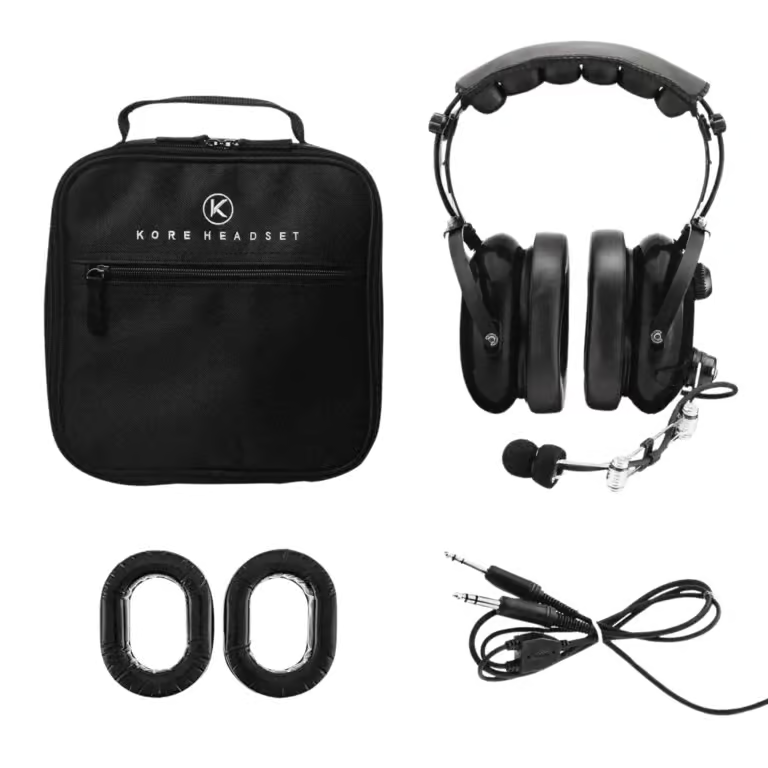
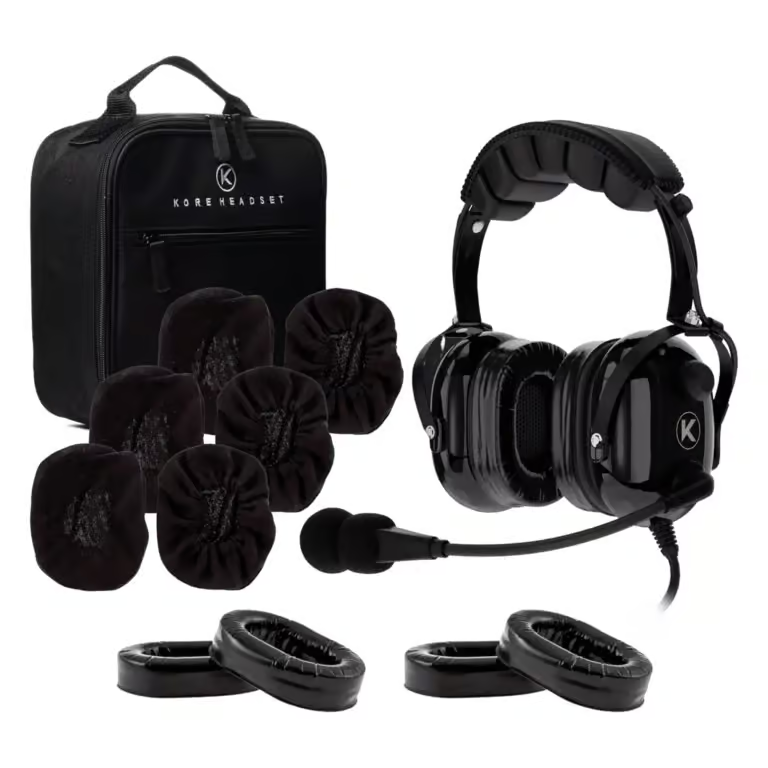

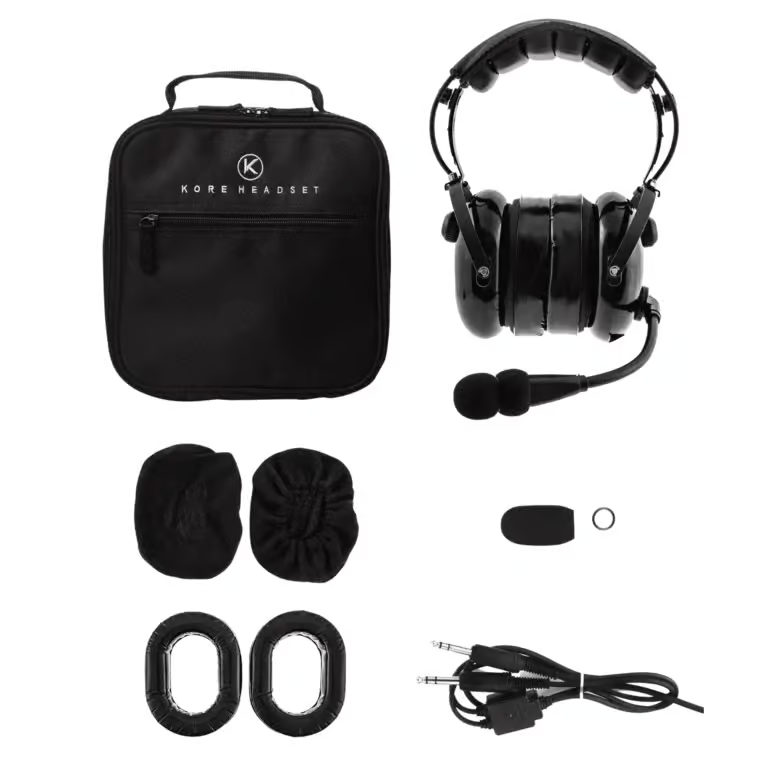

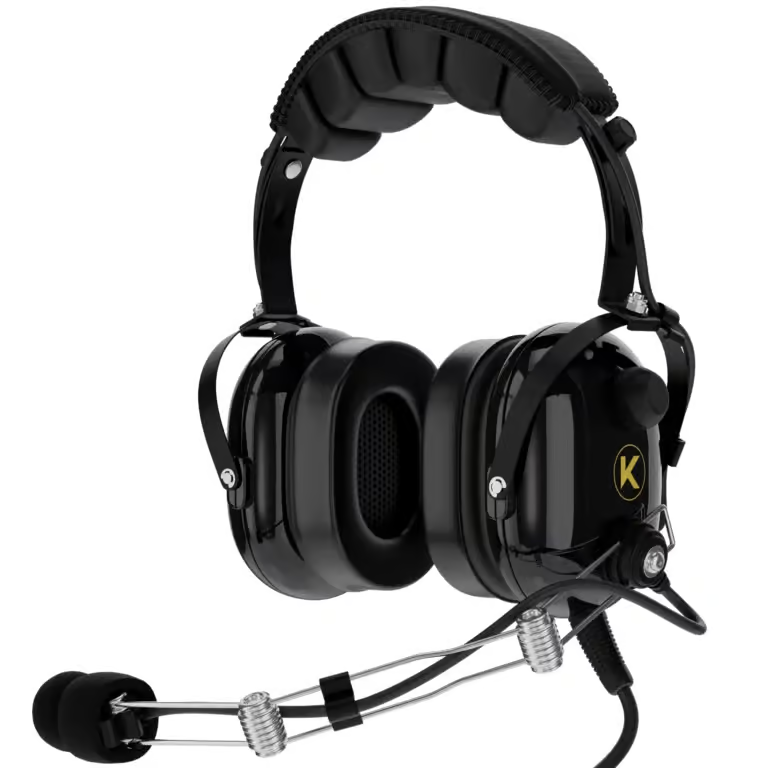












Sourcing Aviation Headsets
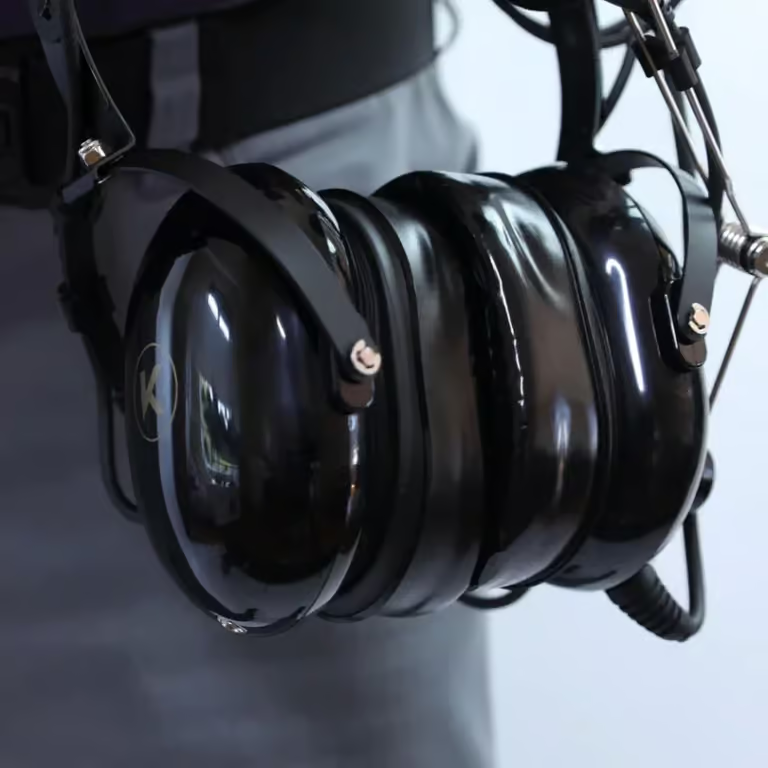
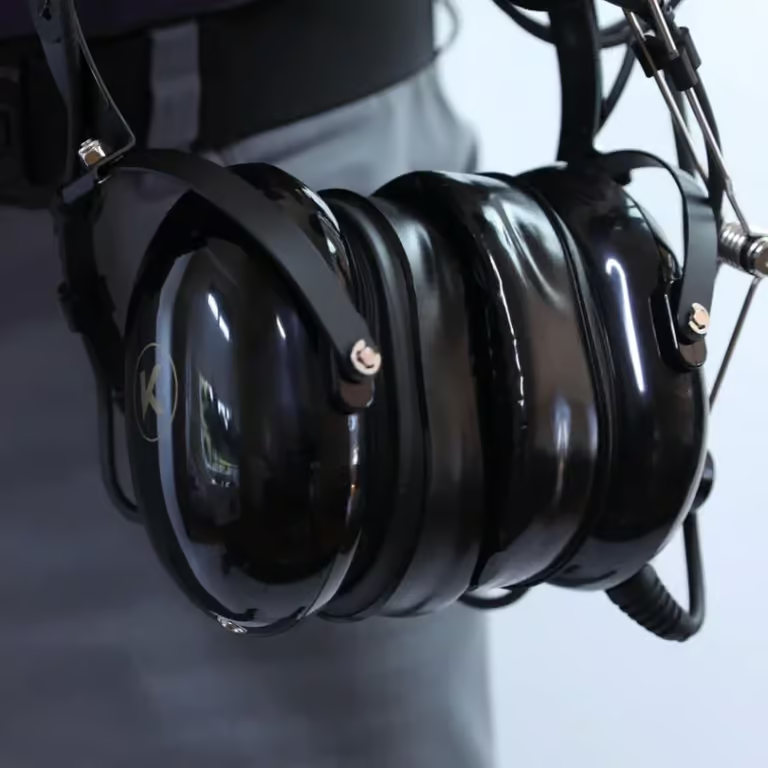
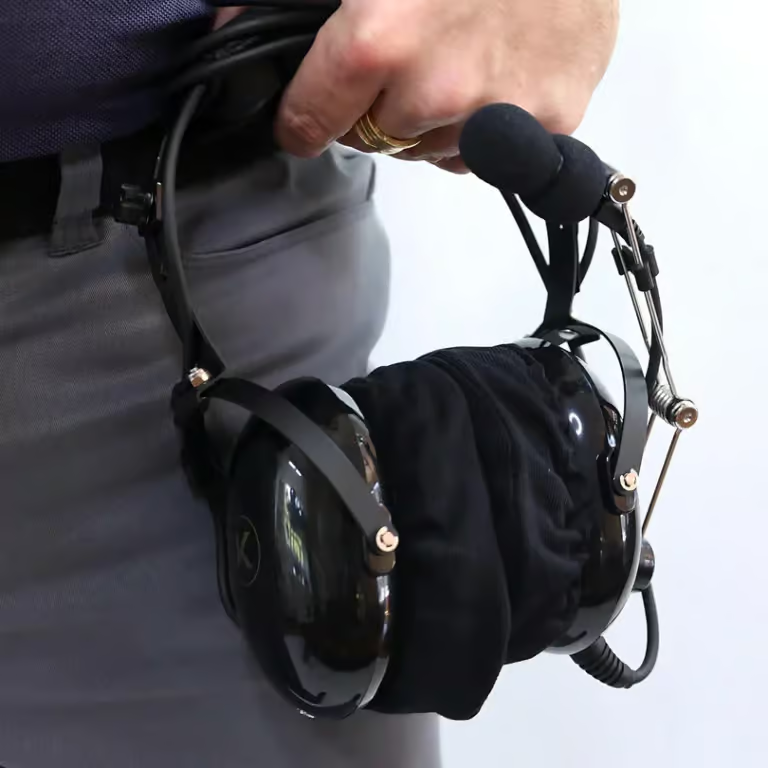
Aviation headsets are critical communication tools designed to deliver clear audio, effective noise reduction and long term comfort in demanding cockpit environments. Whether operating in training, commercial or private aviation, selecting the right headset directly impacts situational awareness and crew coordination. This page brings together trusted suppliers offering a range of aviation headsets, including passive and active noise reduction models, with options suited to different aircraft types, operational demands and user preferences, ensuring you can source reliable and compliant solutions.
Helpful Hints when Sourcing Aviation Headsets
✈ Choose between passive and active noise reduction based on cockpit noise levels, with ANR headsets offering improved comfort and clarity in high noise environments.
✈ Ensure compatibility with your aircraft audio system, checking connector types and impedance to avoid communication issues during operation.
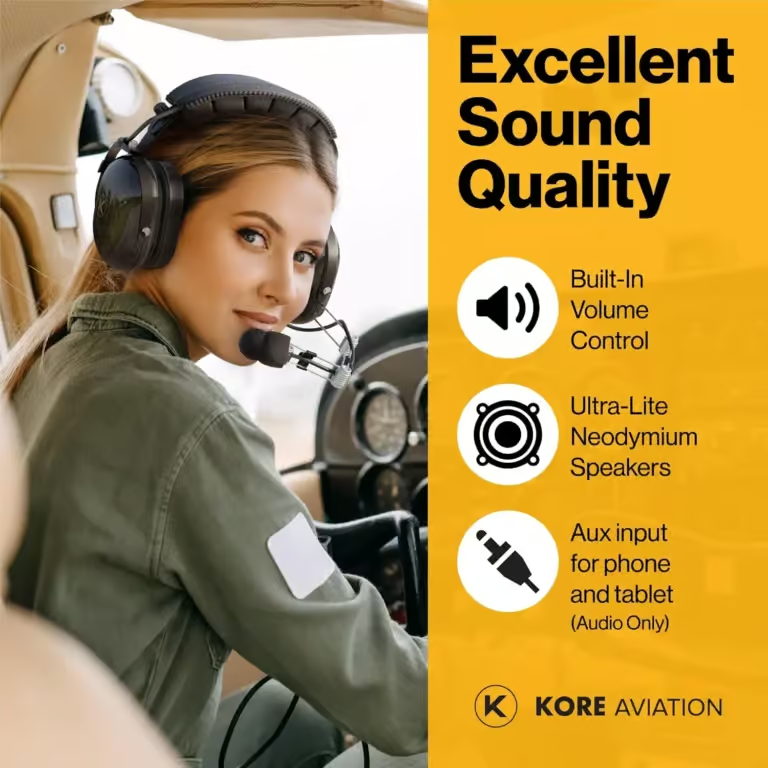
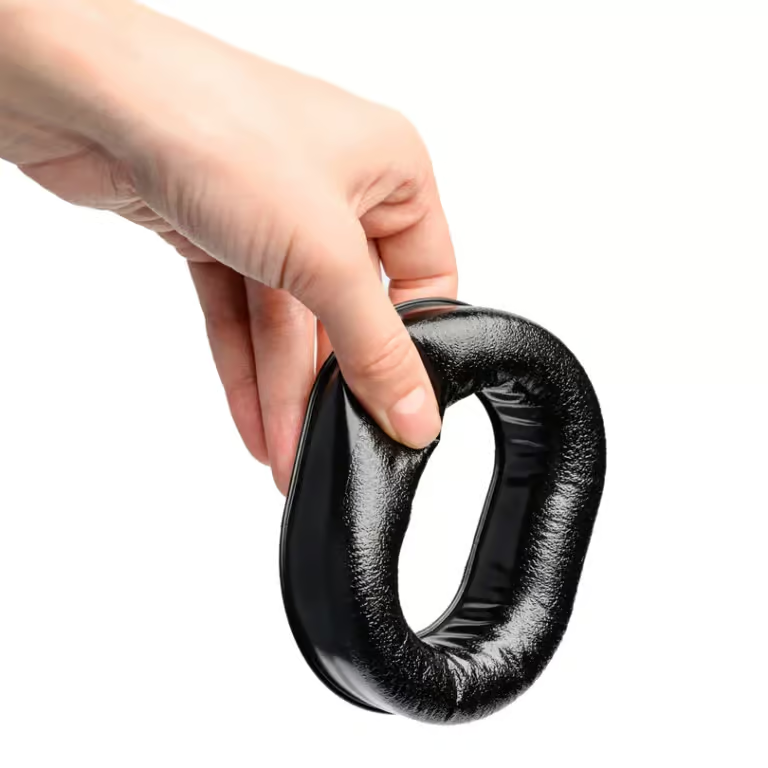
✈ Prioritise comfort for extended flights by selecting headsets with adjustable headbands, quality ear seals and lightweight construction.
✈ Consider battery life and power management for ANR models, ensuring reliable performance throughout long duty periods without interruption.
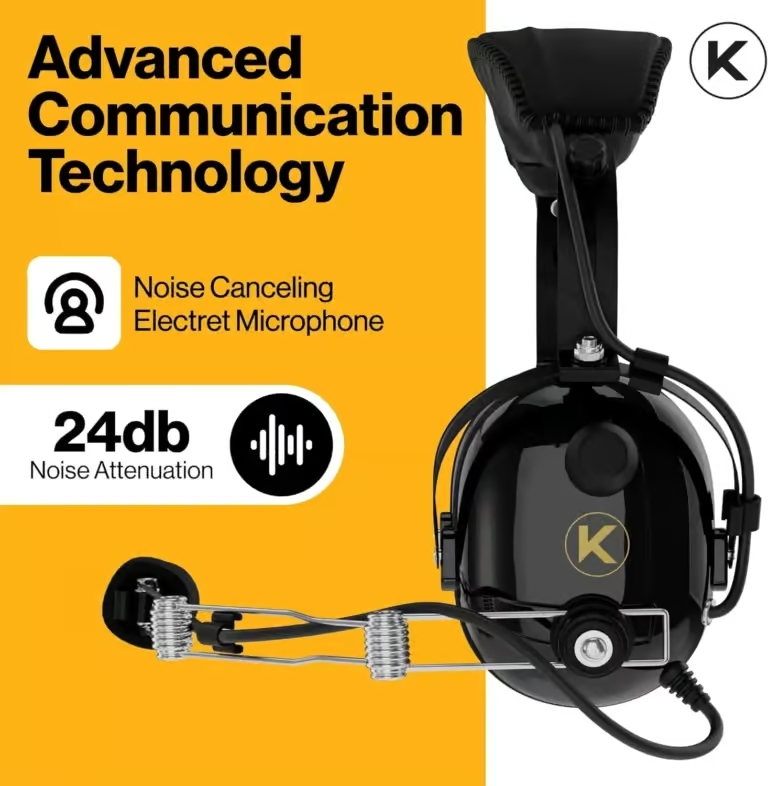
✈ Evaluate microphone quality and noise cancelling capability, as clear transmission is essential for safe and efficient communication.
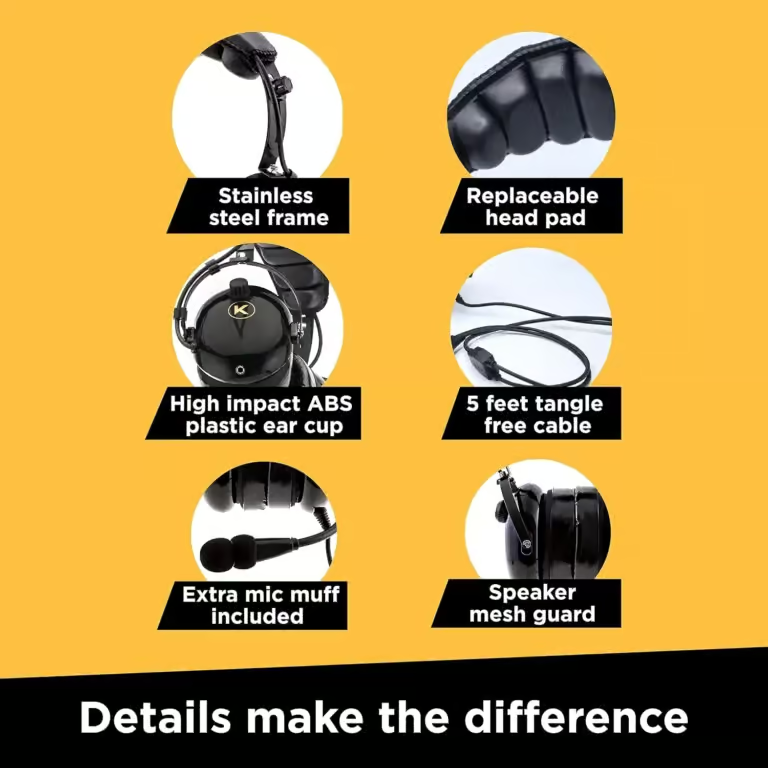
✈ Look for durable construction and reinforced cables, particularly for training environments where headsets are used frequently and by multiple users.
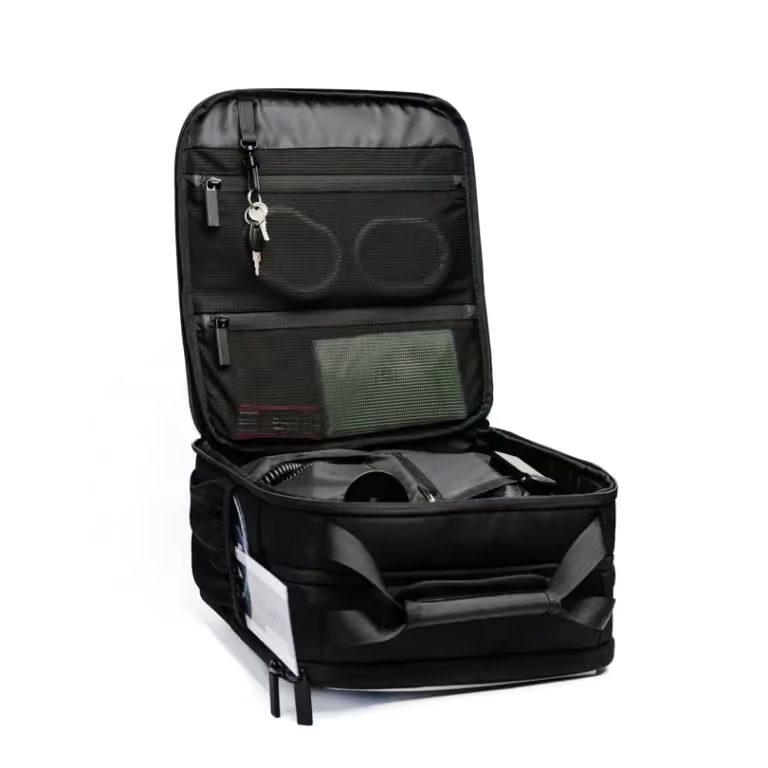
✈ Assess storage and portability options, including carry cases that protect the headset from damage during transport and handling.
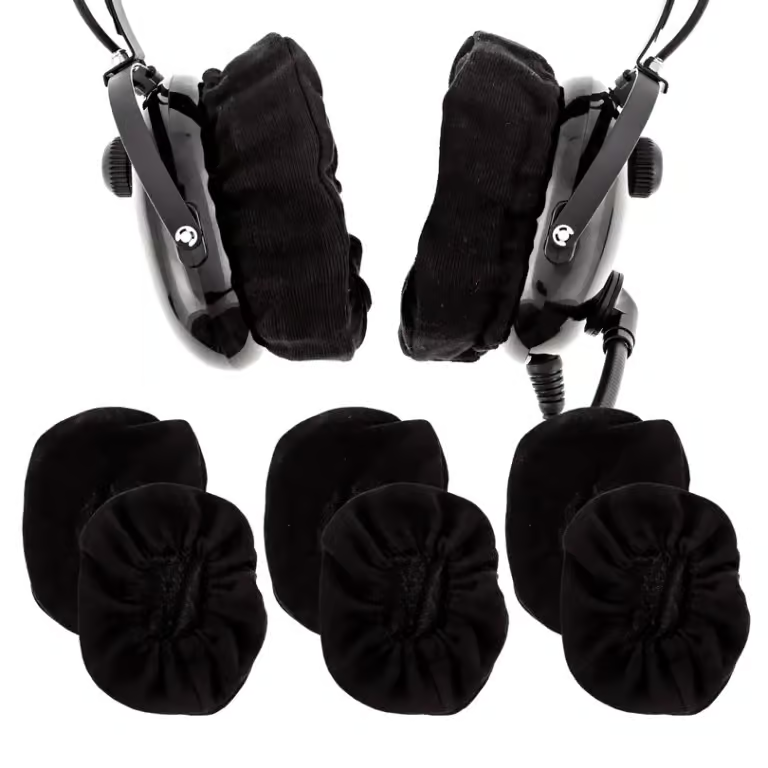
✈ Factor in ease of maintenance and availability of replacement parts such as ear seals and cables to extend the operational lifespan of the headset.
What to Consider when Choosing a Provider
When choosing a provider for aviation headsets, focus on product quality, brand reliability and availability of support for maintenance and replacement parts. Consider whether the supplier offers a range of models to suit different operational needs, along with clear specifications and compatibility guidance. Delivery timelines and stock availability are important for operators managing active fleets or training schedules. On AvPay, you can contact providers directly via phone, email or WhatsApp from their listings, or click on the organisation’s name to explore their full profile and broader range of aviation equipment and services.
Market your Aviation Headsets on AvPay
AvPay provides a focused platform for suppliers of aviation headsets to reach a global audience of pilots, operators and training organisations actively sourcing communication equipment. By listing your products, you can showcase technical specifications, highlight performance features and generate direct enquiries from aviation professionals. The platform supports efficient visibility and straightforward engagement with buyers across the industry.
➤ List your Company and Services on AvPay
Frequently Asked Questions when Searching for Aviation Headsets
✈ What is the difference between passive and active noise reduction headsets?
Passive headsets rely on physical insulation, while ANR headsets use electronic systems to reduce ambient noise for improved comfort and clarity.
✈ Are aviation headsets compatible across all aircraft?
Compatibility depends on connector type and audio system configuration, so it is important to check specifications before purchasing.
✈ How important is comfort in an aviation headset?
Comfort is critical, especially for long flights, as poor fit can lead to fatigue and reduced concentration.
✈ Do ANR headsets require batteries?
Yes, most ANR headsets require battery power or aircraft power to operate their noise reduction systems effectively.
✈ How often should aviation headsets be maintained?
Regular inspection and replacement of wear components such as ear seals and cables helps maintain performance and reliability.
✈ Can one headset be used for both training and commercial operations?
Yes, provided it meets operational requirements, although durability and comfort should be carefully considered for high use environments.
✈ What features improve communication clarity?
Noise cancelling microphones, proper fit and high quality audio components all contribute to clearer transmission and reception.
✈ Is it worth investing in premium aviation headsets?
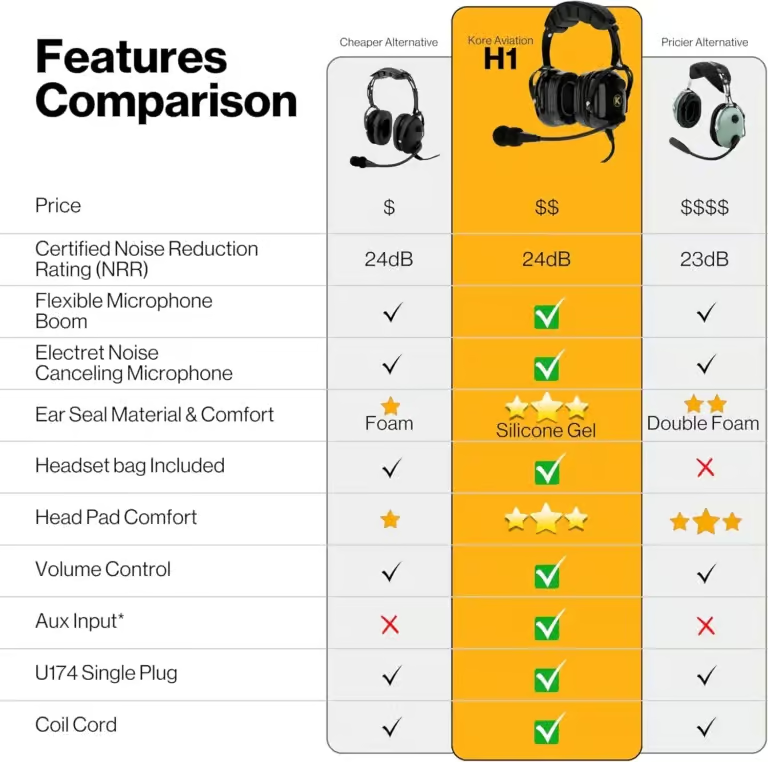
Higher quality headsets often offer better noise reduction, durability and comfort, making them a valuable long term investment.
Passive vs Active Noise Reduction Explained
Understanding the difference between passive and active noise reduction is essential when selecting aviation headsets, as each approach directly affects communication clarity, fatigue levels and overall cockpit performance. Both systems aim to reduce ambient noise, but they achieve this through very different methods, making them suitable for different operational environments and user preferences.
Key Differences Between Passive and Active Noise Reduction
✈ Passive noise reduction relies on physical insulation through ear cups and seals, blocking external noise by creating a tight acoustic barrier around the ears.
✈ Active noise reduction uses electronic circuitry to detect ambient noise and generate opposing sound waves, effectively cancelling low frequency noise such as engine and rotor sounds.
✈ Passive systems are typically simpler and more robust, with no reliance on power sources, making them reliable in all conditions without battery concerns.
✈ Active systems require batteries or aircraft power, but provide significantly improved comfort in high noise environments by reducing constant background noise levels.
✈ ANR headsets are particularly effective in reducing low frequency noise, while passive headsets are more effective at blocking higher frequency sounds through physical damping.
✈ Weight and clamping force are often higher in passive headsets to achieve adequate sealing, which can lead to increased fatigue during extended flights.
✈ Active headsets generally offer improved long term comfort due to reduced pressure requirements, allowing for lighter designs and better wearability.
✈ Cost considerations vary, with passive headsets typically being more affordable, while ANR models represent a higher investment with enhanced performance benefits.