

Home » Aircraft for Sale » Microlights and Ultralights for Sale
Microlight & Ultralight Aircraft for Sale
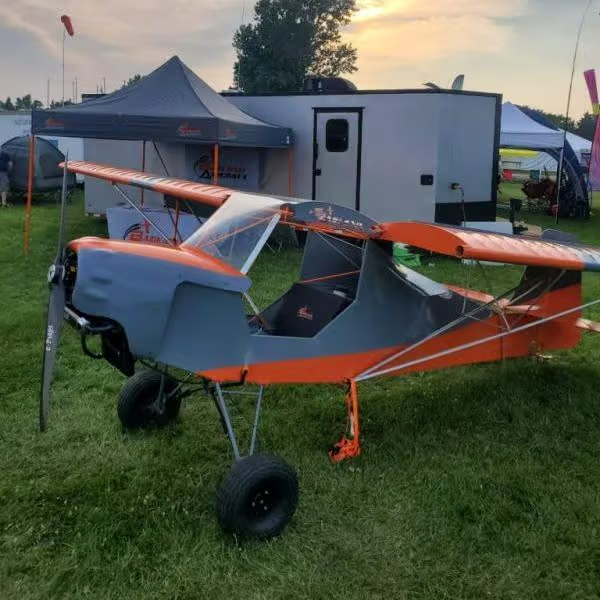
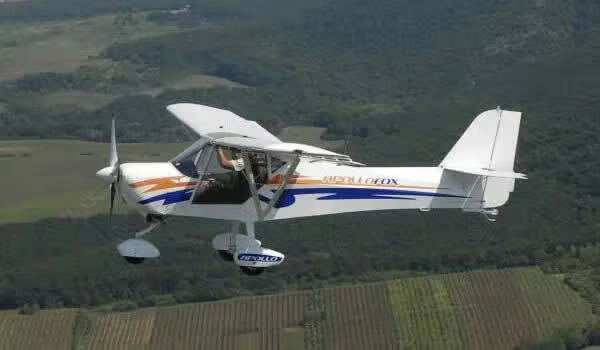
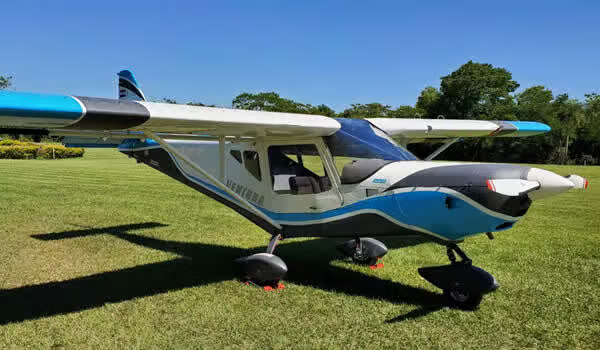
Find new and used microlight and ultralight aircraft for sale on AvPay, the premier global marketplace for light sport and recreational aviation. Search our aircraft listings for high-quality light airplanes for sale from leading aircraft manufacturers such as Air Creation, Apollo, Badland, Breezer, Evektor, ICP Aviazione, JMB, Pipistrel, Sling, TL Ultralight and more...
As a leading digital platform for recreational aviation procurement, our global inventory supports diverse sport training, leisure touring and short field mission profiles across the UK, Europe, the United States and beyond. Whether you are looking to purchase a factory-built light sport aircraft (LSA) directly, source robust club trainers through established aircraft brokers or connect with private sellers worldwide, AvPay seamlessly bridges the gap between buyers and agile light aircraft across the USA, North America, South America, Asia and Australasia. From highly efficient cross-country sport cruisers to rugged grass-strip machines, find your next recreational asset on a trusted marketplace built for international aviation professionals.









  USD $ 389,000 PRICE REDUCED |

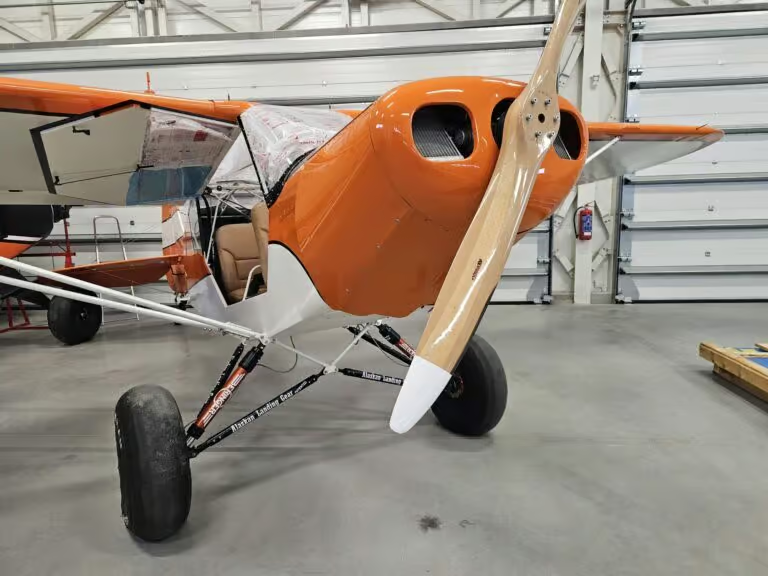
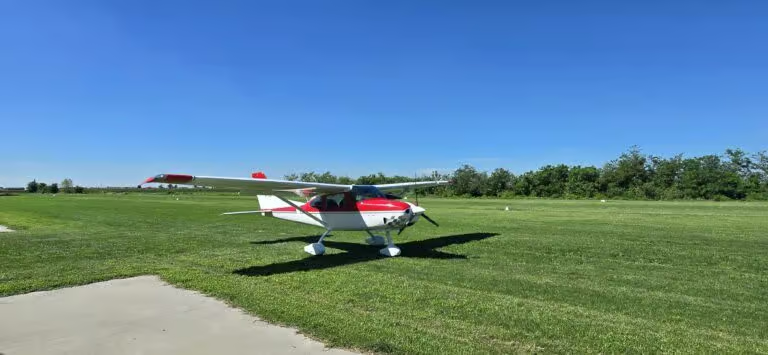
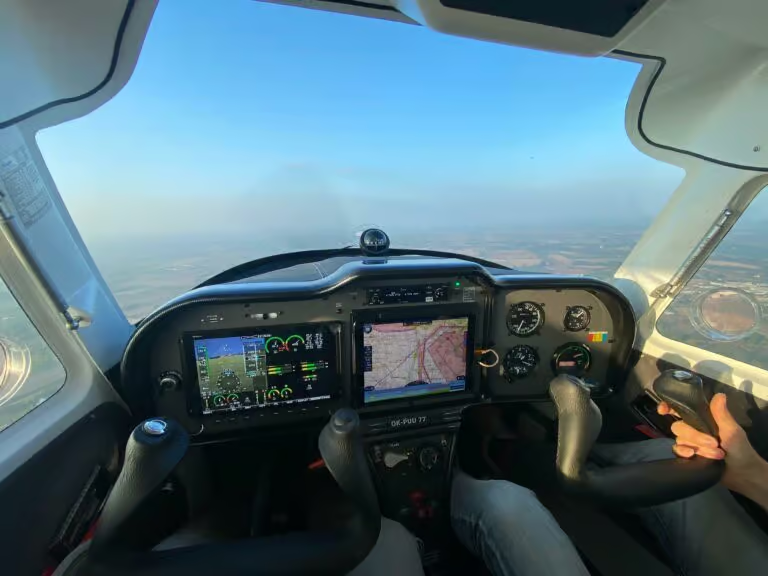
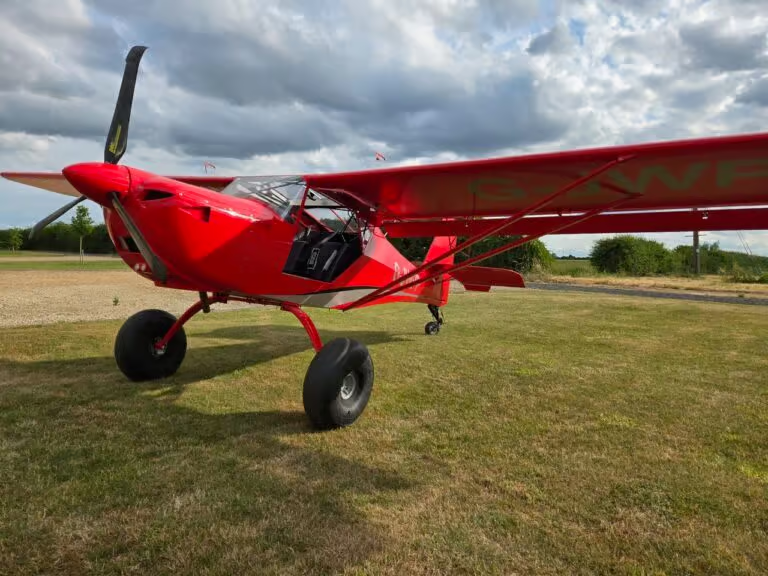
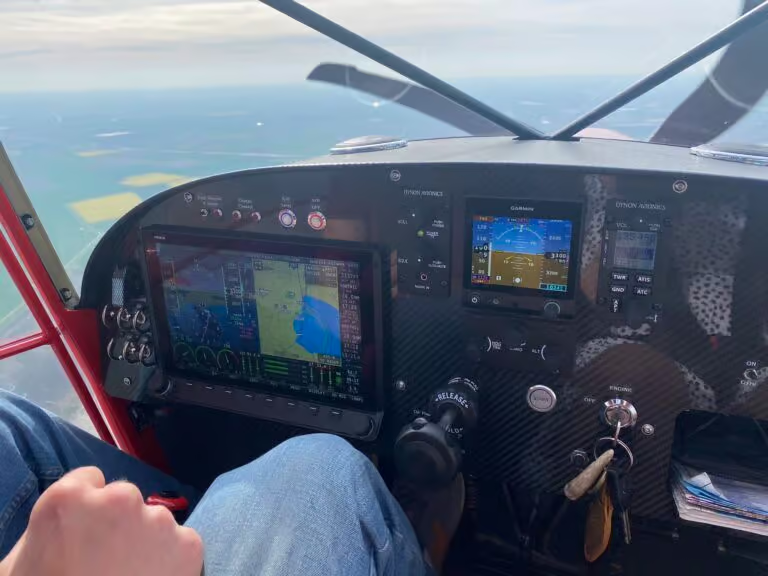

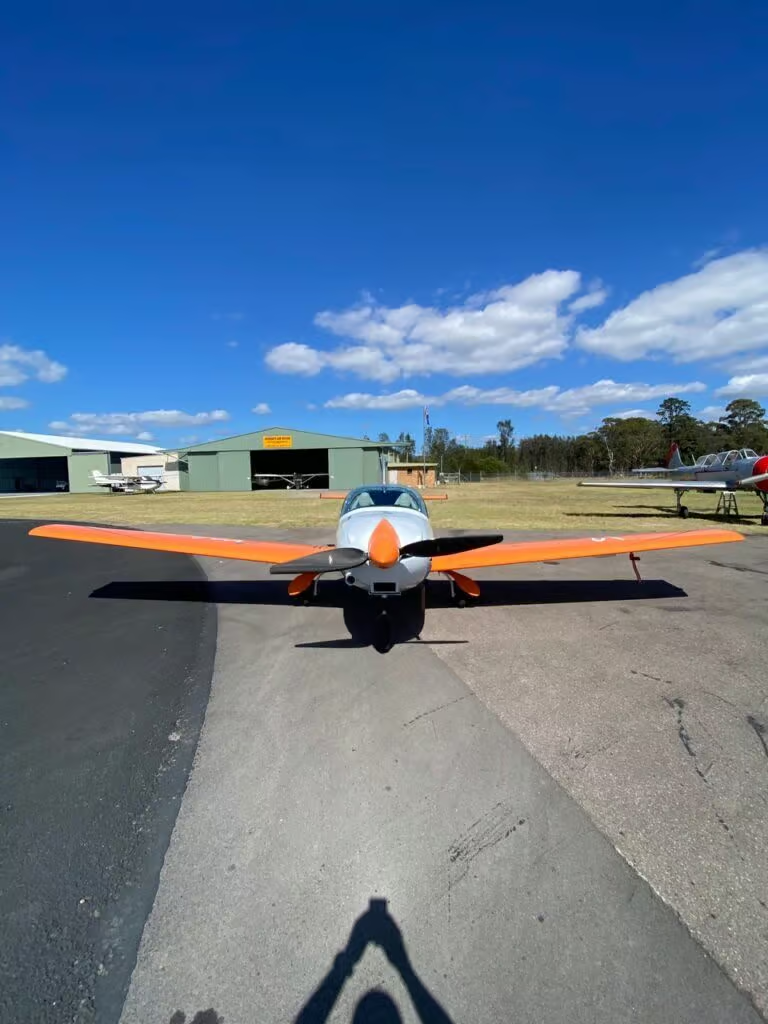
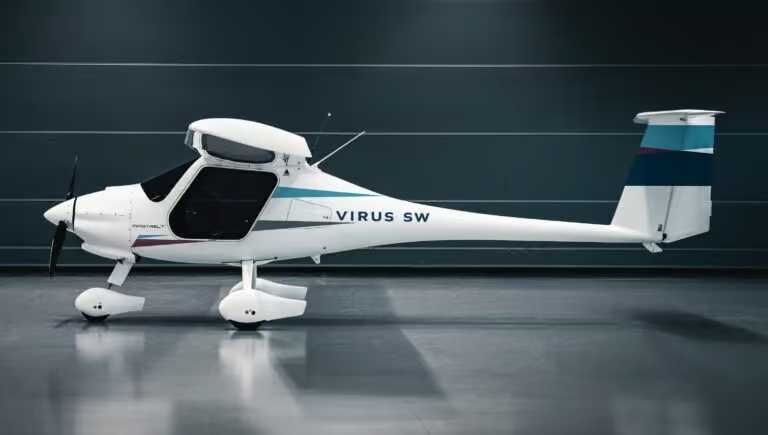
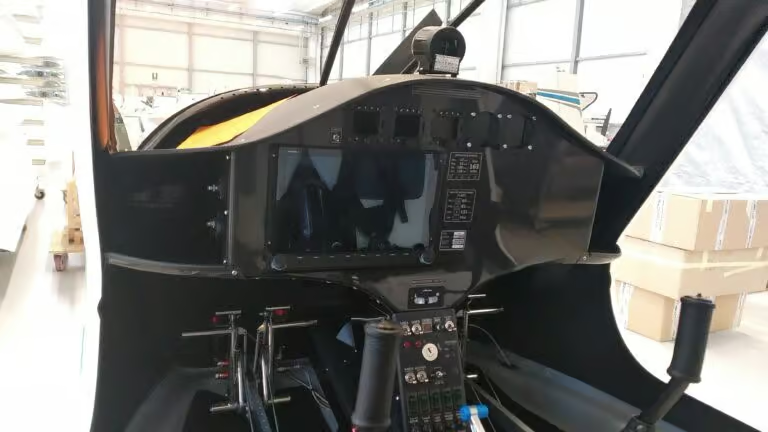
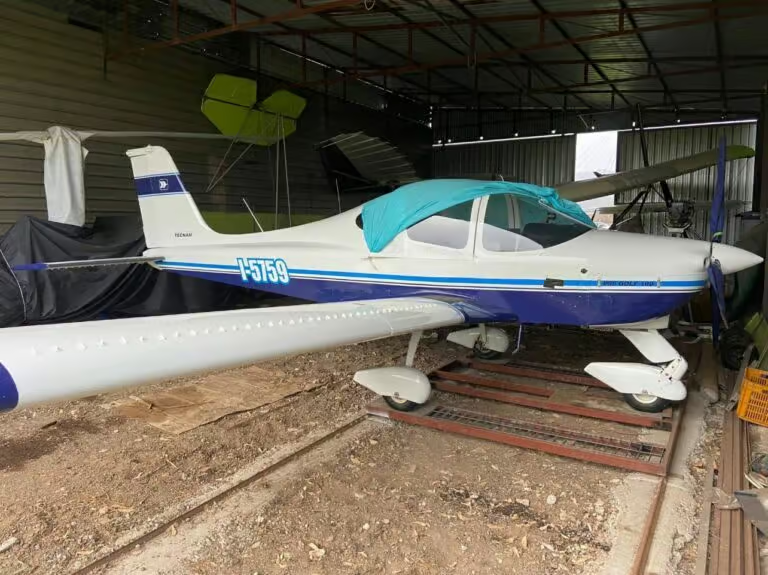
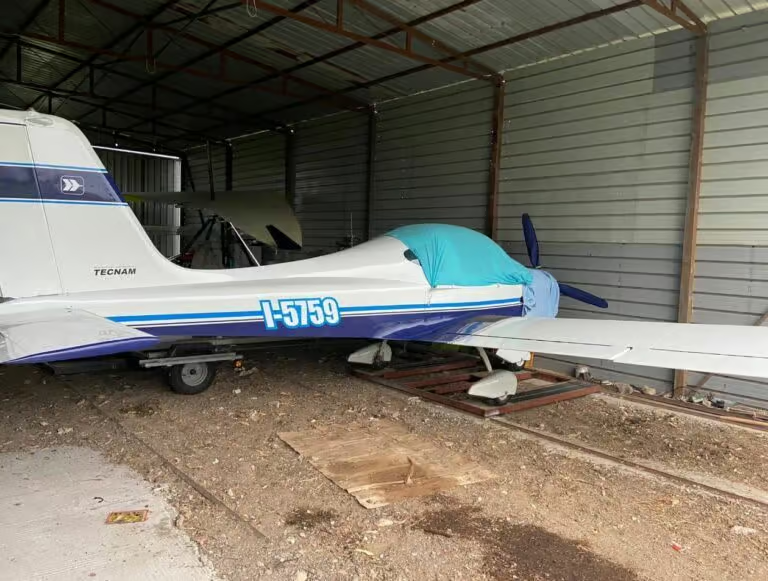
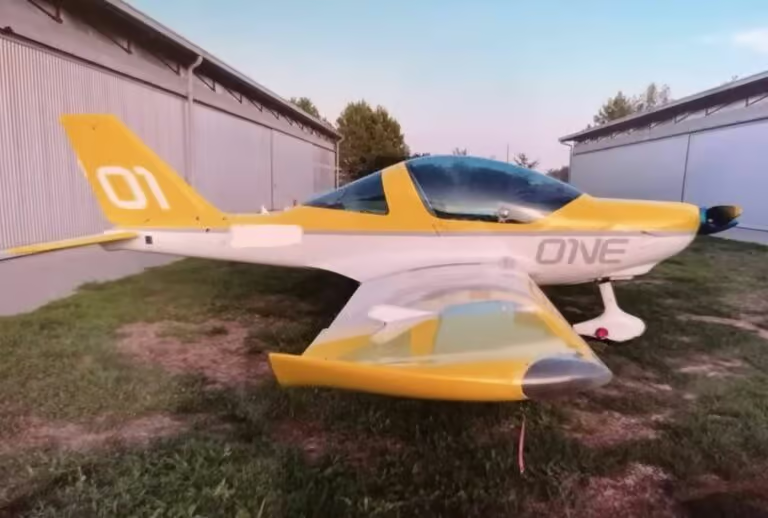
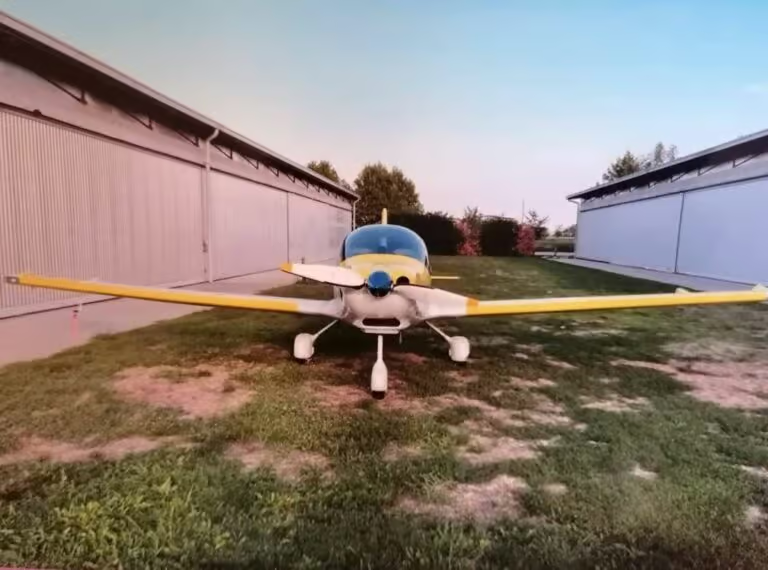
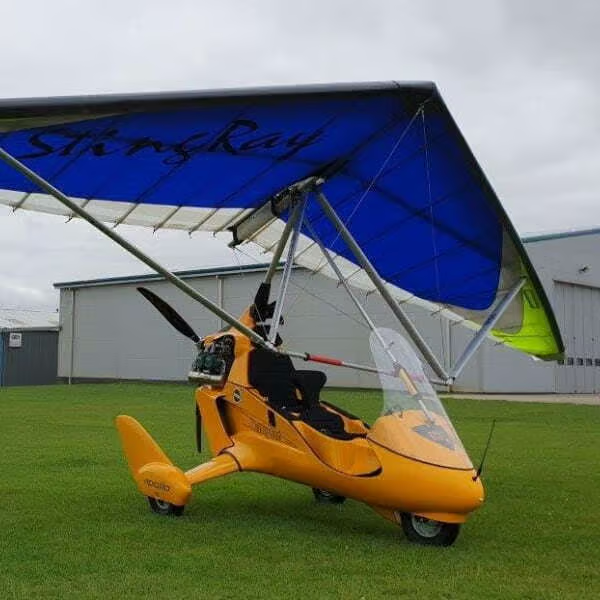
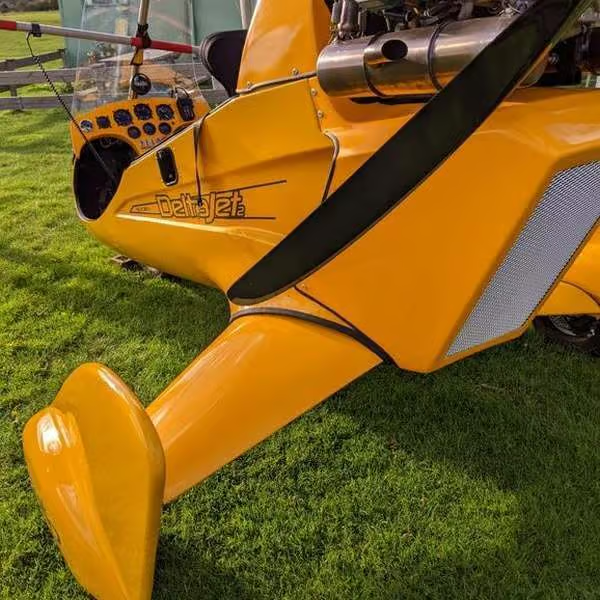
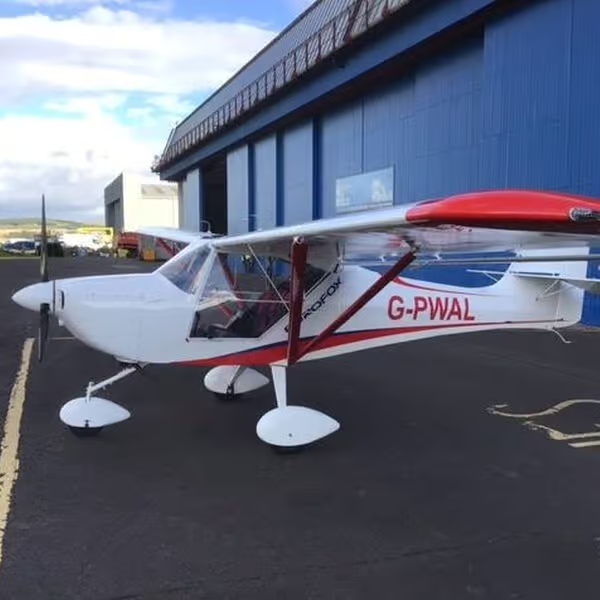
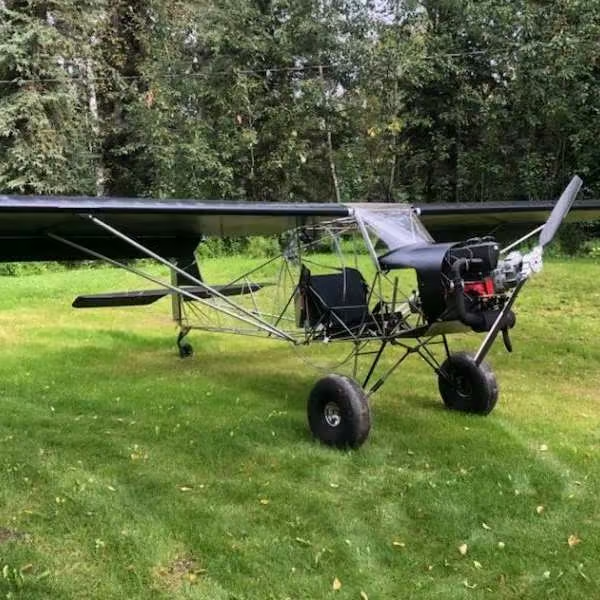
Find Your Ideal Microlight & Ultralight Aircraft for Sale on AvPay
AvPay, the premier global marketplace for light sport and recreational aviation, connects passionate pilots and sport sellers across the UK, Europe, North America, South America, Asia, Africa and Australasia. Our centralized digital platform hosts an extensive online selection of new and pre-owned microlight and ultralight airplanes engineered for efficient touring, flight training and short-field operations.
Refine your search parameters smoothly using our integrated filtering infrastructure. You can quickly isolate your ideal light sport aircraft by filtering the marketplace by manufacturer, model, condition, year of manufacture, total time on airframe (TTAF), geographic location, price and seller.
As a leading aviation marketplace tailored to recreational flight schools, syndicate owners and private aviators, AvPay showcases a diverse range of light sport inventory. Discover our complete selection of microlights and ultralights listed on this page, or browse all alternative aircraft categories and aerospace manufacturers here.
Once you locate a light aircraft asset that aligns with your flying profile, connect instantly with the listing broker, manufacturer or private seller via WhatsApp, secure private message or phone to discuss technical specifications, engine hours, ballistic recovery system (BRS) details and pricing options.
Why buy a Microlight or Ultralight Aircraft For Sale?
✈ Exceptional Cost-Efficiency and Affordability: Microlight and ultralight aircraft represent the most financially accessible entry points into private aircraft ownership. Featuring low capital acquisition thresholds, minimal hangarage costs and reduced insurance premiums, they deliver a highly economical path to regular flight operations.
✈ Streamlined Training and Pilot Licensing: Sourcing a light sport aircraft simplifies the pilot training timeline significantly. Licensing paths for micro-aviation platforms generally require fewer flight instruction hours compared to traditional light aircraft, allowing student pilots to achieve operational independence efficiently.
✈ Lightweight Agility and Field Maneuverability: Designed with optimized power-to-weight ratios, micro-aviation assets provide crisp handling and outstanding short field (STOL) performance. Their responsive design allows for effortless low-speed control, short take-off rolls and landing configurations on tight regional airstrips.
✈ Superb Mission Versatility: Modern light sport aircraft excel across an impressive array of flight applications, including recreational cross-country touring, fundamental flight training, hour-building modules and short-distance commuting. This functional versatility delivers a highly flexible, responsive flight experience.
✈ Reduced Maintenance Overhead: Because they utilize simple mechanical configurations and dependable, highly efficient powerplants like the Rotax series, microlights require minimal maintenance overhead. Sourcing parts is highly cost-effective, and inspections can frequently be conducted by certified sport aviation engineers.
✈ Close-Knit Aviation Community: Owning an ultralight aircraft connects you to an incredibly welcoming, passionate global sport aviation network. Share cross-country routing tactics, trade technical build insights and participate in localized fly-ins, airfield breakfast runs and regional light aircraft rallies.
✈ Unrivalled Personal Freedom: Operating a personal microlight grants complete command over your flying schedule. Avoid the constraints of commercial aviation networks, plan custom aerial itineraries and enjoy the pure, exhilarating freedom of low-and-slow visual flight rules (VFR) navigation.
✈ Mechanical Simplicity: Micro-aviation platforms prioritize user-friendly flight decks and intuitive controls. This streamlined approach minimizes cockpit workload, making these aircraft an outstanding selection for pilots who prefer a direct, pure flying experience free from overly complex systemic layouts.
✈ Eco-Friendly Operations: Powered by small, advanced four-stroke or two-stroke engines, microlights boast remarkably low fuel burn metrics and reduced noise signatures. This eco-friendly operational profile minimizes environmental impact while keeping your hourly fuel bill exceptionally low.
Microlight & Ultralight Aircraft Are Ideal For
✈ Recreational Pilots and Flying Enthusiasts: Providing an unparalleled local or regional touring platform for pilots who value visual navigation, low-stress airfield operations and pure weekend flight enjoyment.
✈ Ab-Initio Instruction and Flight Schools: Serving as highly cost-effective club trainers for flight training organizations, offering students an affordable, modern foundation in airmanship before they transition to larger platforms.
✈ Aerial Photography and Media Creation: Delivering stable low-speed flight characteristics, excellent cockpit visibility and outstanding maneuverability to capture high-definition aerial footage and geographic imagery.
✈ Boutique Commuting and Regional Transit: Offering a practical, rapid alternative for short-distance business transit or commuting in regions equipped with accessible light aircraft strips or private farm fields.
✈ Environmental and Conservation Monitoring: Supporting remote public and private sector operations such as wildlife tracking, agricultural crop health surveying, forestry management and pollution tracking.
Get help buying Microlight & Ultralight Aircraft
Can't locate the exact fixed-wing three-axis airframe, flexwing trike layout or weight-shift configuration your flying club requires? Bypassing the stock inventory layout is simple. Contact an established sport aviation professional through our global Aircraft Broker Directory to initiate a dedicated search. Alternatively, explore tailored Aircraft Brokerage and Aircraft Acquisition Services via our marketplace to professionalize your next light aircraft purchase.
For highly customized, factory-new or experimental light sport specifications, you can also submit a bespoke request form. We will distribute your precise procurement criteria directly to our global networks of aircraft brokers and specialized sport aviation dealers to help source premium off-market options matching your budget.
Sell your Microlight & Ultralight Aircraft on AvPay
Maximise your market exposure by listing your light aircraft on AvPay to engage qualified aviation buyers worldwide. Offering streamlined DIY options, our platform automatically updates and distributes your listings, publishing every new aircraft directly to our dedicated aviation social media channels and including them in our weekly email blast to put your assets in front of our audience of 190,000+ followers and subscribers.
For professional aircraft brokers, our dedicated broker packages feature unlimited listings with automated distribution, ranging from 1 month for $199, 3 months for $349, 6 months for $599, up to 12 months for $999.
For private single-aircraft sellers, our private seller options provide simple and affordable DIY plans to list one aircraft for either $25 for 1 month or $50 for 3 months.
With AvPay, you will not just generate inquiries on your core inventory. You will also build long-term digital authority through your aircraft broker profile and any additional service listings you include on our aviation marketplace pages. Let us streamline your remarketing efforts. List your Microlight and Ultralight Aircraft on AvPay Today!
Microlight & Ultralight Aircraft for sale on AvPay FAQ
Dynamite comes in small packages with these miniature little aircraft packing a serious punch! Tiny enough to be transported by road, but big enough to carry two passengers, the ultra and microlight aeroplane just might be the most fun to fly!
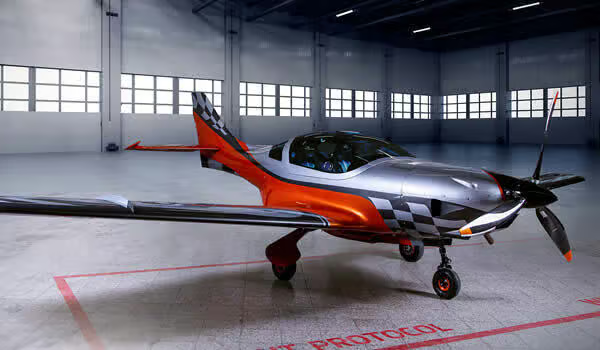
Economical to own, easy to maintain, train on and to fly, ultralight and microlight aircraft are extremely popular among aviation enthusiasts, bringing a diverse set of people a tremendous amount of joy, be it leisure, local or long-distance flying. Microlight and Ultralight aircraft listed for sale on AvPay include the Aeros SkyRanger, Shark Aero UL, Comco Ikarus C42CS, Comco Ikarus C42B, Flight Design CTLS and the Blackshape Prime.
Typically Microlight & Ultralight Aircraft have the capacity to carry one or two people in either side-by-side or tandem seating configuration. These aircraft are small, lightweight, and easy to fly.
A Flex Wing Microlight, also known as a Flex-Wing is an aircraft that is controlled by weight shift control. It is an aircraft with a hang glider style wing (delta wing) where the carriage carries engine, pilot (and/or passenger)(also known as a “trike-type”) and is controlled by pushing/pulling the horizontal control bar.
A Fixed Wing Ultralight Aircraft makes use of conventional three axis controlling the aircraft the use of traditional airplane design: ailerons, elevator, and rudder.
Every country has different definitions of Microlight and Ultralight flight:
Australia
a.) A Light Sport Aircraft is defined as an aircraft with two seating capacity with MTOW of 1,322lbs (600kg) and 1,433lbs (650kg) for seaplanes
b.) A Recreational Aircraft is defined as an aircraft with two seating capacity, a MTOW of 1,322lbs (600kg) and 1,353lbs (614kg) for seaplanes
c.) Ultralight Aircraft and its pilot must be registered with the Hang-Gliding Federation of Australia (HGFA) or Recreational Aviation Australia (RA Aus) All microlights and trikes are subjected to the regulations of the Civil Aviation Authority, with the exception of ultralight, single seat aircraft that has been privately built.
Brazil
An Ultralight aircraft with the capability of seating two people, with a MTOW of 1,653 lbs (750kg) and only allowed to be operated under daylight visual conditions.
Canada
a.) A Basic Ultralight aircraft with the seating capability of two people, with a MTOW 1,200lbs (544kg) only allowed to operate under daylight visual conditions. The Pilot of a Basic Ultralight aircraft requires a Ultralight Pilot’s Permit. The Ultra Ultralight aircraft can be operated from land or water.
b.) An Advanced Ultra-Light Aeroplane is defined as an aircraft with the seating capacity of two people with a MTOW of 1,232lb (559kg) that is only allowed to be operated under daylight visual conditions. A passenger is only permitted if the pilot carries an Ultralight Aeroplane Passenger Carrying Rating on his/her Ultralight Pilot’s Permit. The aircraft is allowed to operate from a controlled airport without prior arrangement or permission.
Europe
a.) A Land Plane or Helicopter that only has one single seat capacity, a 600lbs (300kg) MTOW, and is only allowed to operate during Daylight VFR. The pilot requires an Ultralight Pilot’s Permit to fly this aircraft. It can only be used for sport and recreation flying.
b.) A Land Plane or Helicopter with the capacity to seat two people, a 992lbs (450kg) MTOW, restricted to Daylight VFR operation. The pilot has to carry an UL Pilot’s Permit. This aircraft can only be used for sport and recreation flying.
c.) An Amphibian, Floatplane or Helicopter with a single seat capacity, a 1,091lbs (495kg) MTOW only permitted to be operated during Daylight VFR, and the pilot requiring an UL Pilot’s Permit.
d.) A Land Plane with the capacity to seat to people, with a total recovery parachute system mounted to the airframe, with a MTOW of 1,041lbs (472.5kg) and limited to Daylight VFR for operation. The Pilot is required to be in possession of a valid UL Pilot Permit. The aircraft is suitable for sport and recreation only.
e.) A Land Plane, single seater aircraft equipped with an airframe mounted total recovery parachute system with a 694lbs (315kg) MTOW, permitted only to operate during Daylight VFR. The pilot is required to be in possession of an Ultralight Pilot’s Permit. The aircraft is only allowed to be used for sport and recreation purposes.
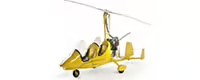
f.) A Gyroplane is a one- to two-seater aircraft with a limitation of 1,234lbs (560kg) MTOW, only permitted to operate during Daylight VFR. The Pilot is required to be in possession of a valid Ultralight Pilot’s Permit. The aircraft is only permitted for sport and recreation use.
India
An Ultralight aircraft with the capacity to seat two people, has a MTOW limitation of 992lbs (450kg) without a parachute. Operation is permitted if a current permit to fly is in place.
Italy
Hydroplanes are described as an aircraft that has the capacity to carry two people, with a MTOW of up to 1,1041lbs (472.5kg) with a parachute and 992lbs (450kg) without. The aircraft is allowed to operate during Daylight VFR, at a minimum of 500ft (152M). The Pilot is required to be in possession of a valid exam certificate, valid medical and current on insurance. A helmet is required for open cockpit operation. Flight over populated areas and gathered crowds forbidden.
Japan
In Japan the Ultralight power machine is undefined in Civil Aeronautics Act, but it is considered to be a single seat aircraft with a MTOW of 396lbs (180kg) and a two seat version with a MTOW 496lbs (225kg) with extra weight allowed for an emergency parachute up to 24lbs (11kg) and up to 61lbs (28kg) provisions for floats. The aircraft may only be operated during Daylight Visual Conditions. Instead of a licence, the pilot has to receive permission from the Minister and proof this permission must be always available on board for every year that the aircraft is operated. Should passengers want to make use of the aircraft, they too have to obtain permission from the Minister in order to do so. The aircraft may only be used for sport and recreation purposes and any other use is strictly forbidden.
New Zealand
There are two classifications in New Zealand for Ultralight aircraft:
Class 1: A single seat aircraft with a MTOW of 1,124lbs (510kg) and 1,212lbs (550kg) for seaplanes;
Class 2: A two-seater aircraft with a MTOW of 1,322lbs (600kg) and 1,433lbs (650kg) for seaplanes.
In New Zealand Ultralight aircraft are subject to NZCAA General Aviation Regulations and Microlight specific variations as described in the manifest of Part 103 of the Microlight Aircraft Operating Rules.
Philippines
In the Philippines most non type-certified aircraft are deemed as Ultralight, can only be operated during Daytime VFR condition, and may only be utilized for sport and recreation purposes only.
United Kingdom
In the United Kingdom there are three classifications for Ultralight aircraft. These are:
a.) Unregulated aircraft with a weight lesser than 70kg
b.) Single Seat De-Regulated
c.) One/Two Seat – Regulated
There are several definitions applicable to the above, ranging from limitations of 154lbs (70kg) with full fuel up to 1,433lbs (650kg) MTOW and it is only permitted to operate during Daytime VFR conditions. For the unregulated sub-70kg Ultralight aircraft, the pilot is not required to have a licence, but they are still subject to follow the rules of the air. For the rest of the Ultralight range a National Private Pilot’s Licence (NPPL) is mandatory.
In the case of heavier Microlights, current regulations in the United Kingdom is very similar to that of the European rules, with the exception of helicopters and gyroplanes, which is are not included.
All of the two-seater Microlights in the United Kingdom are subject to airworthiness standard set by British Civil Airworthy Requirements (BCAR) Section S.
In 2007 the British Civil Aviation Authority introduced the Single Seat DegRegulated Requirement, providing the owners with the freedom to experiment with modifications to these aircraft. In 2017 the responsibility of the airworthiness of all single seat Microlights solely befell the user, provided that the pilot is a valid holder of a National Private Pilot’s Licence.
The use of Ultralight & Microlight aircraft is restricted to recreational use only and may not perform working flights to generate an income.
United States of America
There are three categories primary to the Ultralight classification in the US:
a.) A single seat aircraft with an Empty weight of less than 254lbs (115kg) restricted to operation in Daylight Hours only and no licence required to, daylight hours, no licence required:
b.) A light aircraft with a fuel capacity of 5 US Gallon (19 litres) or less, top speed not exceeding 55kts (102km/h) and a maximum stall speed of 24kts (45km/h). Operation is only permitted over unpopulated areas.
c.) A two-seater light sport aircraft with a MTOW limit of 1,320lbs (600kg) and limitations of 1,403lbs (650kg) for seaplanes. Operation is only permitted during Daytime VFR conditions. Pilot has to be in possession of a Sport Pilot’s Certificate. Maximum top speed not exceeding 120kts (222km/h) with a maximum stall speed of 45kts (83km/h). The aircraft has to be equipped with a fixed landing gear, fixed pitch propeller and a single engine.
Flex-Wing Microlight & Ultralight Aircraft are controlled by weight shift control where the aircraft is designed in the fashion of a hang glider style wing where the carriage carries the engine, pilot (and/or passenger) and it controlled by pushing/pulling the horizontal control bar.
The top three most popular Flex-Wing Microlight & Ultralight Aircraft are:
Kolb Firestar
The Kolb Firestar is a single or twin seater Ultralight aircraft that is powered by a the Hirth 3202 engine (standard for the purposes of this exercise), powerful not only in horsepower, but also delivering in excellent performance. With a cruising speed of a 69kts/ 128km/h. Features of the Kolb Firestar includes a solid light-weight fuselage with a substantial supporting wingspan and a large diameter propeller.
North Wing Maverick 2 RT
The North Wing Maverick 2 RT is a lightweight trike with a two seat capacity in tandem configuration. The standard Maverick is powered by a Kawasaki 440 engine delivering 38hp. It only weighs 254lbs (115kg) and has a gross weight of 600lbs (272kg). Features of the North Wing Maverick 2 RT include comfortable, secure seating that is equipped with seat belt harnesses, a 5 imperial gallon (22l) fuel tank, hand and foot throttle and steering dampener.
Aerolite 103
The Aerolite 103 is delivered as a completely assembled aircraft manufactured in DeLand, Florida. The Aerolite 103 offers various engine options, including the Rotax 44, Rotax 502, Kawasaki 440 or Hirth F23. The Aerolite 103 has a max cruise speed of 72 – 101 km/h (38 – 54kts) and a stall speed of 41 – 45 km/h (22 – 24kts). Standard features of the Aerolite 103 include a two blade Tennesse propeller, basic flight and engine instruments, a reduction driver, shock absorbing main landing gear, steerable nose wheel and a 5 imperial gallon (22l) fuel tank.
A Fixed Wing Microlight or Ultralight Aircraft makes use of the conventional three axis controls: ailerons, elevator, and rudder.
The top three most popular Fixed Wing Microlight & Ultralight Aircraft are:
Earthstar Thunder Gull 2000
This one-seater aircraft’s prototype has seen more than 5,400 hours of flying. It is powered by a vibration reduced Hirth F33 engine that is rated at 52HP when operated at 6,500 rpm output, making the aircraft smooth to handle and fun to fly. The Earthstar Thunder Gull 2000 has a cruising speed of 51kts (94km/h). Features include a steel jig welded roll cage, quick trailering conti-levered wings, covering in an aluminium D-Cell skin with a counter-based stabilizer. The wings feature drooped wing tips manufactured from light-weight fibreglass. The full-covering windscreen provides for unobscured views.
Jordan Lake Air-Bike LS103
The Jordan Lake Air-Bike LS103 is a part 103 compliant Ultralight aircraft that is powered by either a Rotax or Hirth engine with an output of 45 – 50hp, cruising at 51kts (94km/h). The Jordan Lake Air-Bike LS103 was designed by Wayne Ison. The aircraft comprises of a light yet sturdy tubular steel airframe and wooden wings. Optional extras include folding wings, fibre-glass wingtips, and wheel pants.
Quicksilver MX II Sprint
As a two-seater aircraft in side-by-side configuration the Quicksilver MX II Sprint is fitted with a Rotax 582 engine that has an output of 65hp with a cruising speed of 55kts (102km/h). Features include high lift, singe surface wings which provides for exceptional handling at extremely low speeds and provides for distinctive take-off advantages.
Aventura UL – Base Price $32,000
The Aventura UL is produced by Aero Adventure LLC, based in Florida, USA. The hull of the aircraft is made from lightweight, durable Kevlar. The gear is retractable, enabling land or water landing. One engine option is the Viking 90hp engine at a cost of $11,045.
The Aventura UL can also be fitted with the iLevel BOM (Broadcasting Outer Module) at a cost of $1,995 and it is the first (and only) aerodynamic to be mounted under the wing. It is a fully independent, wireless, self-powered avionics device with all components incorporated. Avionics included are a WAAS enabled GPS, ADSB-In, Angle of Attack, Altitude Indicator, Airspeed Indicator, AHRS (Attitude Heading, Directional Gyro, Turn Coordination, Rate of Turn, VSI) and Outside Air Temperature Indicator.
Aerolite 103 – $27,000 ($27,039 with Engine)
Ready to fly, fully assembled, the Aerolite 103 is a single seat aircraft that can be acquired for just over $27,000, depending on which engine option is selected. The complete Aerolite 103 Quick-Build Aircraft fitted with the MZ 34 (30hp) engine costs $27,039 without crating and shipping costs. Standard features include: Fully Anodized Airframe, Electric Flaps, Nose Fairing and Windscreen, Steerable Nose Wheel with Suspension, Shock Absorbing Main Landing Gear, Hydraulic Brakes, Four Ply Tyres, Four Point Safety Harnesses, Dacron Covering, Visual Fuel Quantity Gauge and a 5 imperial gallon fuel tank.
Badland Base Model F1UL – kit $14,600 ($20,605)
It is recommended that the Polini Thor 303 (39hp) engine is installed at an additional cost of $4,695, engine mounting kit $265 and Titanium Muffler at $1,044 making the total cost of the kit $20,604.
The Badland Base Model F1UL is a one-seater microlight with a gross weight of 550lbs (250kg) and a useful load of 296lbs (134kg). It is fitted with a 5 imperial gallon fuel tank, able to cruise at 43 kts (80 km/h) at a 75% power setting able to reach a range of 100nm. It only requires 150ft for take-off and 100ft for landing. At a stall speed of 22kts (41km/h) with flaps down, the Badland Base Model F1UL crawls before stalling!
Quicksilver MXL II Sport – $14,537 without engine - $21,634 with Rotax 582 engine.
With its proven design, easy handling and precise control thanks to the three-axis control and double surface control, the MXL II Sport is one of the best selling two-seater ultra-light aircraft. The recommended engine to be fitted to the Quicksilver MXL II Sport is the Rotax 582 which performance at a 75% setting is approximately 51kts (94km/h) providing a useful load of 390 lbs (176kg) and a MTOW (Maximum Take-Off Weight) of 720lbs (326kg)
CGS Hawk Ultra – Basic Kit $13,500 (Excluding Hirth F33 28 hp engine with recoil start $2,900)
The CGS Hawk Ultra offers a curved windshield, sharp nose slope for improved visibility and three-axis control system as standard features. The CGS Hawk Ultra boasts with a Gross Weight of 600 lbs (272kg), an empty weight of 248 – 254lbs (112 – 115kg), a decent cruise speed of 80 – 96 km/h (43 – 51 kts) and a stall speed of 38 – 43 km/h (20 – 23 kts).
Flying either Flex-Wing or Fixed Wing Microlight & Ultralight Aircraft is the most cost-effective way to take to the skies. Let us have a look at the options available:
Aeromarine Merlin Lite ($35,500 Including Engine, Ready to Fly)
The Aeromarine Merlin Lite is part 103 compliant fixed wing ultralight aircraft that can be flown without a license only if the aircraft is fitted with the BRS500 rescue system, increasing the allowable weight requirement. The Aeromarine Merlin Lite can also be registered in the Experimental class and is not limited by the weight and speed restrictions of Part 103.
The spacious cabin is equipped with a single temper foam seat, three-point harness with cabin racing padding and large aft baggage compartment. With seven bubble windows, visibility is excellent. The Aeromarine Merlin Light is powered by a Polini 250DS engine delivering a cruise speed of 63 mph (101 km/h or 54 kts) and endurance of approximately 4 hours from a 5-gallon fuel tank.
Aventura UL (Approximately $33,050 with Engine)
Produced by Aero Adventure LLC based in Florida, USA, the Aventura UL is built with lightweight, durable Kevlar. Because of the retractable gear, the aircraft can be utilized as an amphibian aircraft, the only Fixed Wing Ultralight aircraft in its class.
At an additional cost of $1,995, the Aventura UL can be fitted with the iLevel BOM (Broadcasting Outer Module), the first (and only) aerodynamic to be mounted under the wing. Fully independent, wireless, self-powered this avionics device has all its components incorporated. Avionics incorporated are a WAAS enabled GPS, ADSB-In, Angle of Attack, Altitude Indicator, Airspeed Indicator, AHRS (Attitude Heading, Directional Gyro, Turn Coordination, Rate of Turn, VSI) and Outside Air Temperature Indicator.
Quicksilver MX II Sprint Aviator ($19,999 Including Engine, $10,290 Without Engine)
The Quicksilver MX II Sprint Aviator is a two-seater flex-wing aircraft available as a kit. It only requires 40 to 60 hours to build. The Quicksilver MX II Sprint Aviator is powered by a Rotax 582 two-cylinder engine that delivers 65hp making take-off over 120 – 260 ft (36 – 79 m) possible. The Quicksilver MX II Sprint Aviator has a fuel capacity of 6 gallons and a useful load of 390 lbs (176 kg) and capable to reach a top speed of 67 mph (107 km/h or 57 kts)
Quicksilver MX Sport ($17,800 with Engine)
Quicksilver also offers the one-seater, open cockpit MX Sport, powered by a Hirth F23 engine that delivers 40hp and provides for 271 lbs (122kg) useful load.
With a 5 gallon (imperial) fuel capacity, the Quicksilver MX Sport can reach a top speed of 59 mph (94km/h or 50 kts), cruise at 45mph (92km/h or 49 kts) and has a range of up to 90 miles (144 km or 77 nm) The Quicksilver MX Sport only requires a runway of 75ft (22m) for take-off.
1100R Mini Max ($6,690 without engine)
Introduced in 1985, Wayne Ison’s design evolved to become what is the 1100R Mini Max today. The 1100R Mini Max is Part 103 compliant and can be upgraded as time and money allows. It is the cheapest aircraft to build any only takes 250 – 300 hours, making it the quickest kit to build. The little 1100R Mini Max is a fixed wing Ultralight aircraft with an open cockpit and removable wings.
The 1100R Mini Max has two engine options: the Rotax 277 28 hp or Rotax 477 40 hp engine. Powered by the Rotax 277, the 1100R Mini Max cruises at 65 mph (104 km/h or 56 kts) and stalls between 28 – 31 mph (45 – 49km/h or 24 – 26 kts).
Apart from the cost of the aircraft, tax on the sale amount and insurance, you’ll have to prepare yourself for certain expenses that will be incurred as the owner of an Ultralight or Microlight Aircraft.
Hangarage
Unlike Microlights where the wings and tail can be folded in and stored in a small space such as a garage, an Ultralight would probably require hangarage. Monthly hangarage costs can range from $100 up to $500 depending on the square footage that the aircraft occupies, the location of the airfield and facilities it has to offer.
Microlights can be stored fully rigged, derigged, or rigged, with the wing removed and stored on a separate platform. The more space you use, the more you will be eligible to pay for.
Landing fees
Most airfields expect you to pay a landing fee for making use of the runway & airfield.
Airfield membership
As above, landing at an airfield would most likely cost you some sort of fee. It is recommended that you join membership of the airfield's that you most frequent in order to save on landing fees.
Fuel
All aircraft, whether it be an Ultralight or Microlight, fuel is required to get airborne. You can budget between $10 to $20 per hour for flight, depending on where you live.
Maintenance
Most aircraft are required to submit to a yearly inspection to determine airworthiness of your aircraft. In some instances, you are allowed to perform maintenance on your aircraft, however, structural repairs do require the approval of a qualified inspector or engineer.
A Flex-Wing Microlight or Ultralight Aircraft mainly operates by weight-shift control where-as a fixed wing Microlight or Ultralight Aircraft is controlled by a conventional three-axis control with ailerons and an elevator.
The most commonly known Flex-Wing Microlight & Ultralight Aircraft are the Kolb Firestar, Twinstart Mark III and CGS Hawk Arrow II, North Wing Maverick II Legend, and Aerolite 103.
Kolb Firestar
The Kolb Firestar is a one- or two-seater in side-by-side configuration. The Kolb Firestar aircraft is equipped with a Hirth 3202 engine, open cockpit aircraft in push/pull configuration. It is very easy to identify with the tail gear modification. The Kolb Firestar is fitted with simple gear, is aerodynamic in design and with the wings and tail being easily folded in less than in 15 minutes makes for easy storage in a jiffy!
Kolb Twinstar III
Designed to be a primarily Short-Take-Off and Landing (STOL) aircraft, the Kolb Twinstar Mark III has a large wing area, huge flaps, ailerons and a robust choice of engines ranging from the Rotax 503 (52hp) or the Rotax 912S (100hp) engine. Equipped with the Rotax 503 engine and minimal equipment, the Kolb Twinstar IIII weighs 550lbs (249kg).
CGS Hawk Arrow I
The one- or two-seater CGS Hawk Arrow boasts an empty weight of 310 – 330 lbs (140 – 149kg) and a gross weight of 625lbs (283kg), the Rotax engine provides 40 – 65 hp with a cruise speed ranging from 88 – 120 km/h (47 – 64 kts) and a stall speed of between 45 – 54km/h (24 – 29 kts).
Aerolite 103
Designed by Terry Raber and introduced by Aero-Works, Inc, the Aerolite 103 is a single seat, high-wing ultralight aircraft controlled by pusher configuration, is legally operated under the FAR 103 Ultralight requirements. Currently, the Aerolite 103 is manufactured by U-Fly-It Light Sport Aircraft LLC, DeLand, Florida.
Cruising at a speed of 55kts (102km/h), with a range of 100nm (194km) the Aerolite 103 powered by the Rotax 447 engine with a 40hp output has the capacity of a MTOW (Maximum Take-Off Weight) of 600lbs (272kg)
North Wing Maverick II Legend
North Wing Maverick II Legend provides fairings with a high ground clearance, a Kawasaki 410 engine and three blade IVO propellor. The North Wing Maverick 2 is equipped with a 5 imperial gallon fuel tank. This trike features a storage compartment behind the pilot’s seat which could also accommodate additional fuel storage.
Certain Ultralight and Microlight aircraft subject to Part 103 Regulations, do not require a licence for you to fly the aircraft. Depending in which country you live in, and provided that the aircraft does not weigh more than 254lbs (115kg) and you do not carry passengers, a licence to operate the aircraft is not compulsory, however, training is still recommended.
For both categories, no medical examination or written exam is required.
The Solo Wings Aquilla Trike, South African developed and built Bat Hawk, the Thunder Gull 2000, Jordan Lake Air-Bike 103, Composite FX XEL Helicopter and Maverick 2 RT are deemed as the best options to start your training with.
If flown sensibly and with proper training, Ultralight and Microlight aircraft are as safe as the person operating the an aircraft. Lack of instruction and human error are the main causes of accidents in aviation.
The most notorious Flex-Wing Microlight / Ultralight accident happened on the afternoon of 15 September 2019 when Michael Stefanik died in an aircraft accident. Michael Stefanik was an accomplished NASCAR driver, competing between 1985 up to 2014. Michael took off from Riconn Airport in Coventry, Rhode Island in a single seat Aerolite 103 and shortly after crashed into a wooded area in Sterling. According to witness reports, Michael was walking and talking, although he suffered severe burns and injuries. He succumbed to his injuries later that day at a nearby hospital. Michael Stefanik was 61 years old.
Before a student can start to learn how to fly, an introductory flight is normally conducted, lasting around 30 minutes, depending on the flight school or instructor, it might take a little longer.
During the introductory flight the instructor covers basic exercises to enable the student to become more familiar with the aircraft and comfortable with controlling the aircraft.
Instructor covers basic exercises – student gets familiar with controlling aircraft
The minimum requirement for a National Private Pilot’s Licence without limitation is 25 flight hours of training. But because every student is different and every student’s learning capability varies, some students may require more time and lessons before obtaining their National Private Pilot’s Licence (NPPL).
Most students complete between 10 – 15 hours of flight training before an instructor is satisfied enough that the student is capable and ready for his or her first solo. Performing your first solo is a milestone in each student’s training and celebrating this should be considered mandatory!
In order to qualify for a NPPL, ten hours of solo flights and two solo cross country navigation flights with two out-landings exceeding 25nm from departure point must be conducted.
The student is also subject to pass a General Skills Test (GST) overseen by an accredited examiner. The General Skills Test covers every aspect from preparing for flight, starting and taxiing, power checks, take-off procedure, unusual attitudes and recovering, stalls, avoiding spinning, forced landings, navigation, approach and landing, emergency procedures, ATC procedures, and after flight conduct.
Aero Adventure, LLC has been the leaders in the development and manufacturing of light sport amphibious aircraft. Aero Adventure offers three options, namely Aventura UL, Aventura II and Aventure II SLSA Certified.
CGS Hawk Aviation was designed to be a proper ultralight aircraft, offering both single and twin seaters. Models available include the Arrow I, Arrow 2, Plus, Sport and Ultra.
Quicksilver Aircraft has been manufacturing the single and two-seater, high wing, ultralight aircraft that is powered by a single engine since the 1970’s. Quicksilver Aircraft offers ready-built or kit-plane options. Models currently available are the GT 500, Sport 2S, MX II Sprint, a single seat option and an open cockpit amphibian version.
Sonex Aircraft LLC is based in Oshkosh, Wisconsin, USA and produces a lightweight two-seater aircraft with low wings, currently available as a kit. Models available include the Sonex, Sonex B, Waiex, Waiex B, Xenos and Onex.