







Altimeters
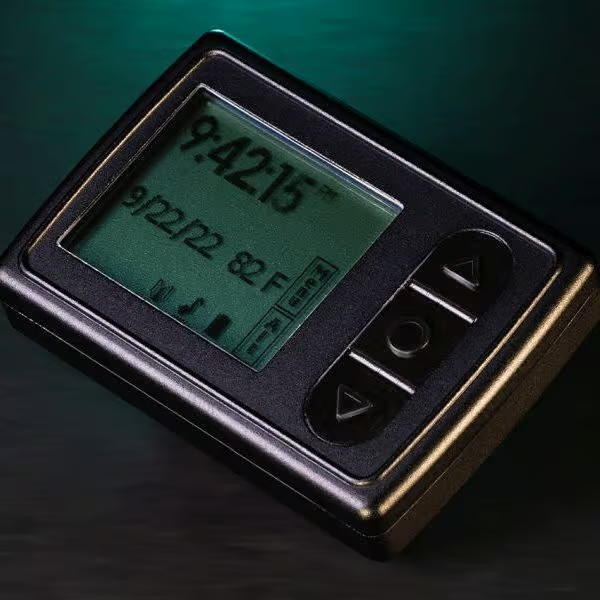
The ATLAS II is an electronic altimeter with a digital display. It can be used as either an audible or visual altimeter.
Listed 3 years ago

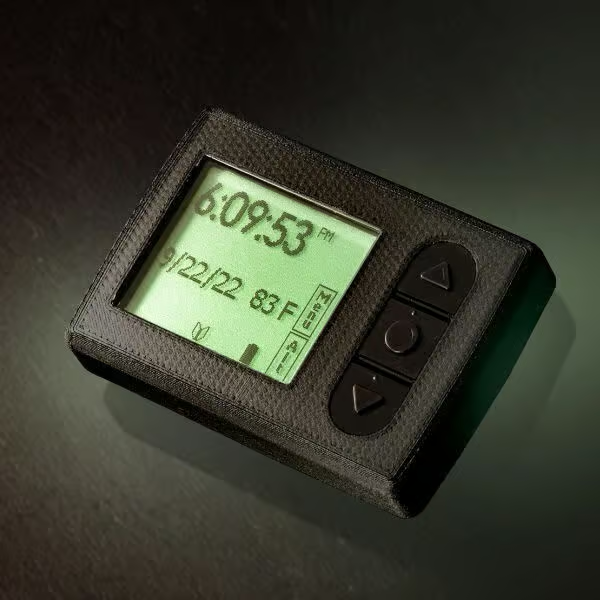
The JUNO is an electronic altimeter with a graphic digital display.
Listed 3 years ago
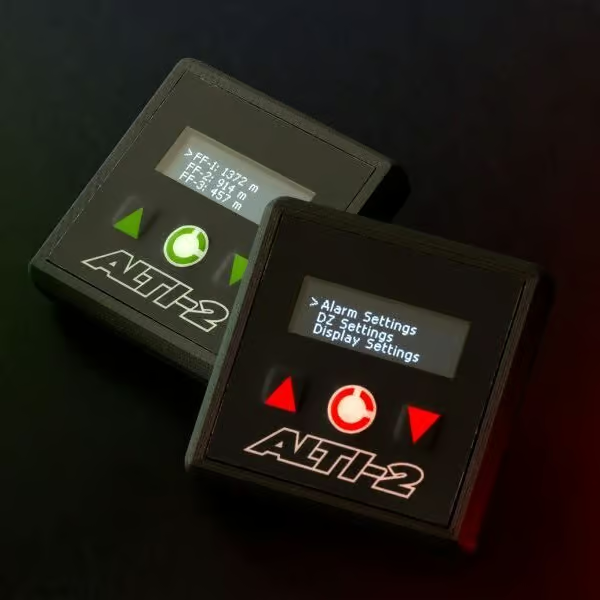
Easy to use menu system. 2 Climb Alarms. Up to 3 freefall alarms. Rechargeable battery (200 jumps or 2 weeks). If you jump a tight helmet, like the G4, you really want a small audible!
Listed 3 years ago

Easy to use menu system. Up to 4 freefall, 3 canopy alarms, 2 climb alarms. Rechargeable battery via USB-C connector (200 jumps or 2 weeks).
Listed 3 years ago

The MA-10UD Transmitter updates MA-10UD altimeters with dropzone altitudes, using a wireless line of sight communication. It uses easily accessible, AA Lithium, batteries, & features an electroluminescent backlit screen. The embedded software is also updatable.
Listed 4 years ago
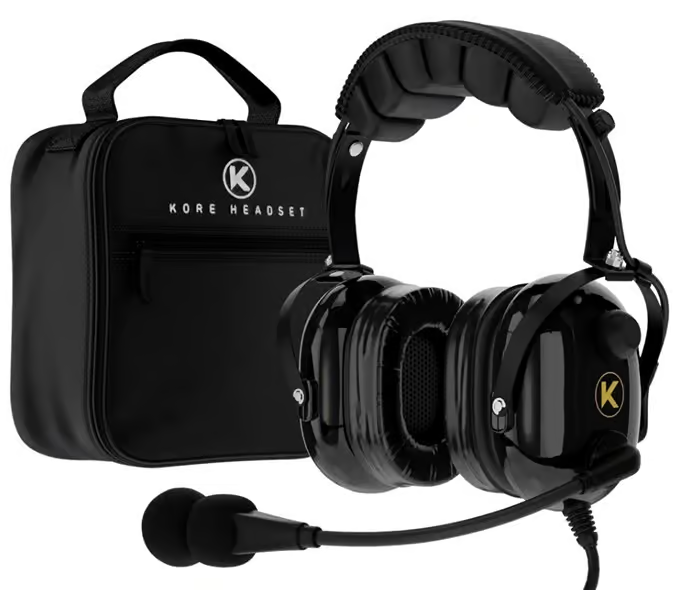
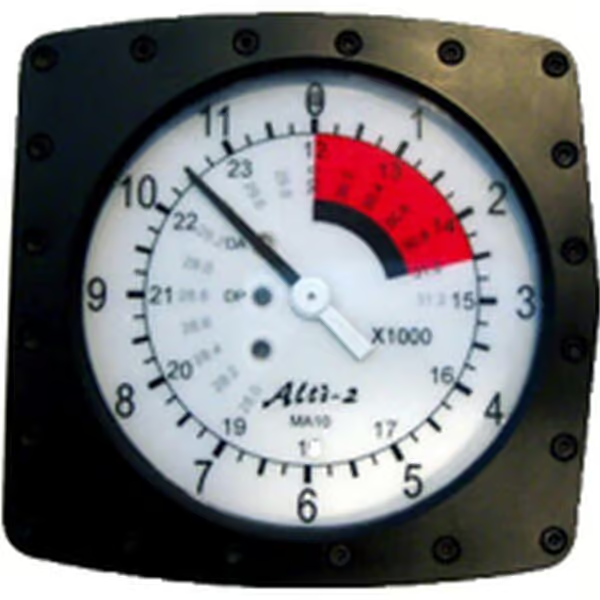 2
The MA-10UD from Alti-2 Europe, is the toughest Altimaster yet. Built for the demanding applications of the military market, this highly accurate altimeter is designed for jumps up to 40,000ft.
Listed 4 years ago
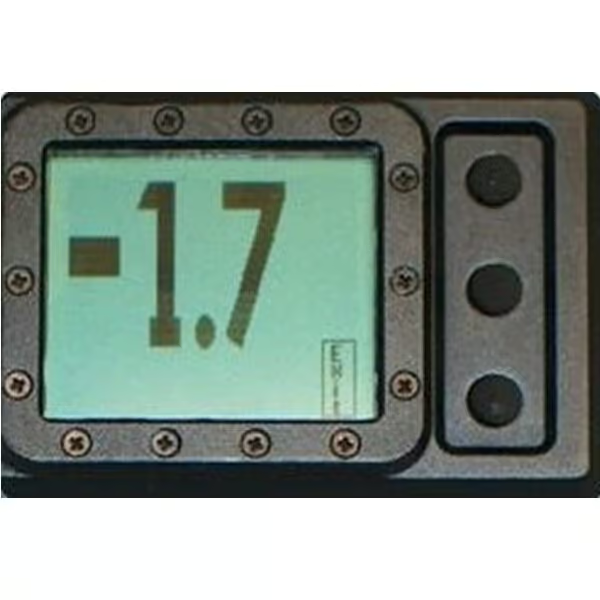 2
The Neptune Tactical MA-12 from Alti-2 is an electronic altimeter with a digital display which can be used as either an audible or visual instrument. It’s highly accurate, small, tough, programmable & features a rechargeable battery.
Listed 4 years ago

Built in our UK factory, the TC-5 test chamber is perfect for testing both digital & analogue altimeters.
Listed 4 years ago
 2
The Altimaster Galaxy Extreme was originally developed for pond swoopers who prefer a mechanical mechanism & an analogue dial face. It has since gained popularity among military end-users because of its familiarity with their current (non-waterproof) devices & smaller overall…
Listed 4 years ago
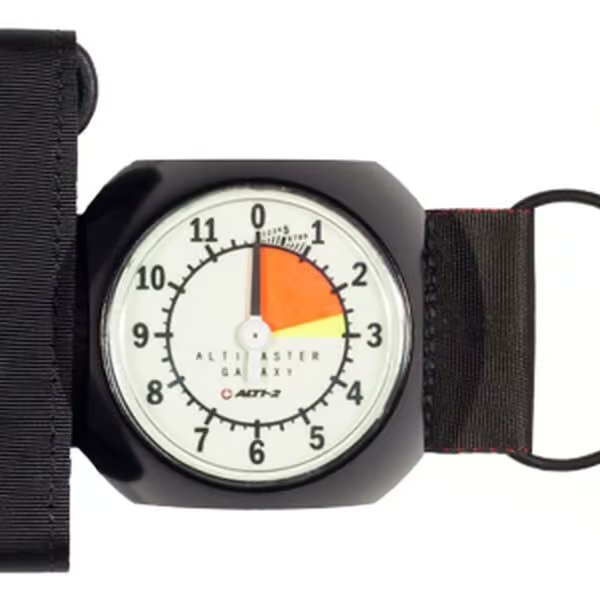 13
The Altimaster Galaxy from Alti-2 is an analogue altimeter available in a wide range of colours & a choice of white or glow in the dark facias. Designed primarily for sport skydiving, the Altimaster Galaxy has a number of features…
Listed 4 years ago
Showing 10 of 10
Couldn't load more.
Sourcing Skydiving Altimeters
Whether you are searching for analogue wrist altimeters, digital visual altimeters, audible altitude warning systems or specialist freefly-compatible devices, AvPay connects skydivers, instructors, tunnel flyers and drop zones with trusted skydiving altimeter suppliers worldwide. The providers listed on this page offer a wide range of skydiving altitude awareness equipment designed for operational safety, training progression and competition use across multiple disciplines including tandem operations, formation skydiving, freefly and canopy piloting. Buyers can compare manufacturers and suppliers offering visual altimeters, audible devices, helmet-mounted systems and advanced digital altitude monitoring technology suited to both recreational and professional skydiving environments.
Helpful Hints when Sourcing Skydiving Altimeters
✈ Choose an altimeter configuration suited to your discipline, as freefly, tandem and canopy piloting operations may require different visibility and alert preferences.
✈ Check whether digital altimeters include adjustable alarm settings and canopy alarms, particularly if you regularly jump at different exit altitudes or DZ locations.
✈ Ensure audible altimeters are compatible with your helmet type and fit securely without affecting comfort, communication systems or emergency procedure access.
✈ Review battery life and charging methods carefully before purchasing digital skydiving altimeters intended for intensive training or competition environments.
✈ If buying a used skydiving altimeter, verify calibration status, software condition and physical integrity before relying on the device during operational jumps.
✈ Consider screen readability and display brightness when selecting digital altimeters, especially for high-glare conditions or rapid altitude checks during freefall.
✈ Ask suppliers whether firmware updates and technical support are available, particularly for advanced audible or Bluetooth-enabled skydiving altimeter systems.
✈ For student training and instructional use, choose altimeters with simple interfaces and clear altitude indication to reduce unnecessary operational distractions.
What to Consider when Choosing a Provider
When selecting a skydiving altimeter supplier, focus on equipment reliability, manufacturer support and the provider’s understanding of operational skydiving requirements. Altimeters are critical safety devices used for altitude awareness throughout freefall and canopy descent, so buyers should assess product durability, calibration accuracy, alarm functionality and aftersales support before making a purchase. It is also important to consider stock availability, software support and compatibility with existing helmets or equipment systems. On AvPay, users can contact suppliers directly via phone, email or WhatsApp through their listings, and you can also click the organisation’s name to view their full company profile along with additional skydiving equipment and aviation services.
Market your Skydiving Altimeter Services on AvPay
AvPay helps skydiving altimeter suppliers reach a global aviation audience actively searching for reliable altitude awareness equipment, audible systems and digital skydiving technology. Listing your business on AvPay allows you to showcase visual altimeters, audible warning systems, specialist freefly devices and skydiving electronics within a dedicated aviation marketplace trusted by aviation professionals and operators worldwide. Suppliers can display product specifications, technical details and direct contact methods, helping generate targeted enquiries from skydivers, instructors, tunnel operators and drop zones.
➤ List your Company and Services on AvPay
Frequently Asked Questions when Searching for Skydiving Altimeters
✈ What types of skydiving altimeters are available?
Common skydiving altimeters include analogue wrist altimeters, digital visual altimeters, audible altitude warning systems and helmet-mounted devices.
✈ What is the difference between visual and audible altimeters?
Visual altimeters display altitude readings directly, while audible altimeters provide sound alerts at preset altitudes during freefall and canopy descent.
✈ Are digital skydiving altimeters suitable for all disciplines?
Many digital altimeters are suitable across multiple disciplines, although some models are specifically designed for freefly, tandem or canopy piloting operations.
✈ How often should skydiving altimeters be checked or calibrated?
Altimeters should be checked regularly for accuracy and maintained according to manufacturer recommendations to ensure reliable operational performance.
✈ Can audible altimeters be used in any helmet?
Most audible devices are designed for compatible skydiving helmets, although fit and mounting arrangements can vary between helmet manufacturers.
✈ Are analogue skydiving altimeters still commonly used?
Yes, analogue altimeters remain popular due to their simplicity, reliability and clear visual display during freefall operations.
✈ Can I use the same altimeter for tunnel flying and outdoor skydiving?
Some altimeters support both applications, although operational preferences and airflow environments may influence device selection.
✈ Do skydiving altimeter suppliers ship internationally?
Many skydiving equipment suppliers provide international shipping, although battery regulations and customs requirements may vary by destination.
Altitude Awareness Best Practices in Skydiving
Altitude awareness is one of the core safety disciplines in skydiving, supporting decision-making from aircraft exit through to break-off, deployment and canopy pattern management. A reliable altimeter is important, but strong altitude awareness also relies on disciplined checks, planned procedures and an understanding of how workload, body position and freefall speed can affect perception. For instructors, drop zones and experienced jumpers, consistent altitude management helps reduce avoidable risk and keeps every phase of the skydive properly controlled.
Practical Altitude Awareness Guidance
✈ Check your altimeter before boarding, during climb and before exit, ensuring the display is readable, correctly zeroed and positioned where it can be seen quickly.
✈ Build altitude checks into your freefall flow rather than treating them as separate tasks, especially during coaching jumps, formation work or high-workload exits.
✈ Use audible altimeters as backup prompts only, not as a replacement for visual altitude checks and disciplined awareness throughout the entire skydive.
✈ Brief planned break-off, deployment and hard-deck altitudes before every jump, then stick to the agreed limits even when the skydive has not gone as planned.
✈ Increase altitude check frequency during freefly, tracking, angle flying or camera work, as faster descent rates can reduce available decision time significantly.
✈ Confirm canopy altitude awareness after deployment by checking heading, traffic, airspace, landing pattern entry height and distance from the intended landing area.
✈ Avoid relying on habit alone when changing drop zones, aircraft, exit heights or disciplines, as unfamiliar conditions can alter timing and altitude perception.
✈ Replace or service altimeters showing erratic readings, weak alarms, damaged screens or battery issues, as unreliable altitude information should never be accepted operationally.
Why Good Altitude Discipline Matters
Strong altitude awareness gives skydivers time to make calm, correct decisions under pressure. It supports safe separation, reliable deployment timing and better traffic management under canopy. The best practice is simple enough, use the right equipment, brief the plan properly, check altitude often and act early when something feels wrong.