


Skydiving Equipment
















Sourcing Skydiving Equipment
Whether you are sourcing complete parachute systems, helmets, altimeters, AADs, containers, reserve canopies, pilot rigs or specialist freefall accessories, AvPay connects skydivers, instructors, drop zones and aviation operators with trusted skydiving equipment suppliers worldwide. The providers listed on this page offer a wide range of operational skydiving equipment suited to recreational, training and professional use, including new and used skydiving gear, custom rig solutions and specialist accessories for freefly, canopy piloting and formation skydiving disciplines. Buyers can compare suppliers offering equipment sales, rigging support, maintenance services and branded skydiving products within one dedicated aviation marketplace.
Helpful Hints when Sourcing Skydiving Equipment
✈ Always confirm container and canopy compatibility before purchasing individual skydiving components, particularly when mixing equipment from different manufacturers.
✈ Check the service history and repack dates of reserve systems and AAD units carefully when purchasing used skydiving equipment or second-hand rigs.
✈ Choose skydiving helmets and accessories suited to your discipline, as freefly, tandem and camera flying operations often require different configurations.
✈ Ask suppliers whether skydiving equipment meets the operational and certification requirements commonly accepted within your local drop zone or federation.
✈ Review lead times carefully for custom rigs and canopies, as bespoke skydiving equipment manufacturing can often involve extended production schedules.
✈ Consider wing loading, experience level and intended discipline when selecting canopies, rather than choosing equipment purely based on pack volume or appearance.
✈ Verify whether suppliers offer ongoing rigging support, maintenance services and replacement parts, especially for operational equipment used regularly throughout the season.
✈ If importing skydiving equipment internationally, confirm shipping restrictions, customs processes and battery regulations for electronic devices such as AAD systems.
What to Consider when Choosing a Provider
When selecting a skydiving equipment supplier, focus on product authenticity, technical support, rigging experience and operational knowledge within the skydiving industry. Reliable providers should understand compatibility requirements between containers, canopies, harness systems and electronic safety devices, while also offering clear information regarding maintenance schedules, certifications and delivery timelines. Buyers should also assess stock availability, aftersales support and international shipping capabilities when sourcing equipment for ongoing operational use. On AvPay, users can contact suppliers directly via phone, email or WhatsApp through their listings, and you can also click the organisation’s name to explore their complete company profile along with additional aviation services and equipment offerings.
Market your Skydiving Equipment Services on AvPay
AvPay helps skydiving equipment suppliers reach a global aviation audience actively searching for parachute systems, skydiving accessories, canopies, helmets and specialist freefall equipment. Listing your business on AvPay allows you to showcase equipment sales, rigging support, maintenance capabilities and branded skydiving products within a dedicated aviation marketplace trusted by aviation professionals and operators. Suppliers can display technical specifications, product imagery and direct contact details, helping generate targeted enquiries from skydivers, instructors, drop zones and training organisations worldwide.
➤ List your Company and Services on AvPay
Frequently Asked Questions when Searching for Skydiving Equipment
✈ What types of skydiving equipment are commonly available?
Skydiving equipment suppliers often provide containers, canopies, helmets, altimeters, AAD units, jumpsuits and freefall accessories for multiple disciplines.
✈ Can I buy both new and used skydiving equipment?
Many suppliers offer both factory-new equipment and inspected second-hand gear, although service history should always be checked carefully.
✈ What is an AAD in skydiving?
An Automatic Activation Device monitors altitude and descent speed and can automatically deploy the reserve parachute under specific emergency conditions.
✈ How often does skydiving equipment require maintenance?
Maintenance schedules vary by equipment type, although reserve repacks, AAD servicing and routine rig inspections are essential operational requirements.
✈ Can skydiving equipment be customised?
Yes, many manufacturers offer bespoke container colours, harness sizing, canopy selections and branded configurations for individual jumpers or teams.
✈ How do I know if a canopy is suitable for my experience level?
Canopy suitability depends on factors including wing loading, jump numbers, discipline and instructor guidance rather than canopy size alone.
✈ Do skydiving equipment suppliers provide rigging services?
Many suppliers also offer reserve repacks, inspections, repairs, equipment assembly and ongoing maintenance support through qualified riggers.
✈ Can skydiving equipment suppliers ship internationally?
Most major skydiving equipment suppliers support worldwide shipping, although customs rules and transport regulations may vary between countries.
Essential Skydiving Equipment Explained
Modern skydiving equipment is designed to support safety, stability and operational performance throughout every stage of a jump, from aircraft exit through to canopy landing. Whether used for student training, tandem operations, freefly disciplines or canopy piloting, each component within a skydiving system serves a specific purpose. Understanding the role of core skydiving equipment helps jumpers, instructors and operators make informed decisions when sourcing gear for recreational or professional use.
Core Skydiving Equipment Components
✈ The container system houses both the main and reserve parachutes, combining the harness, deployment system and structural components into one operational skydiving rig.
✈ Main canopies are designed for controlled descent and landing performance, with different canopy shapes and sizes suited to varying experience levels and flying disciplines.
✈ Reserve parachutes provide an emergency backup system and must be packed and inspected regularly by a qualified rigger in accordance with operational regulations.
✈ Automatic Activation Devices, commonly called AADs, monitor altitude and descent speed and can deploy the reserve parachute automatically during specific emergency scenarios.
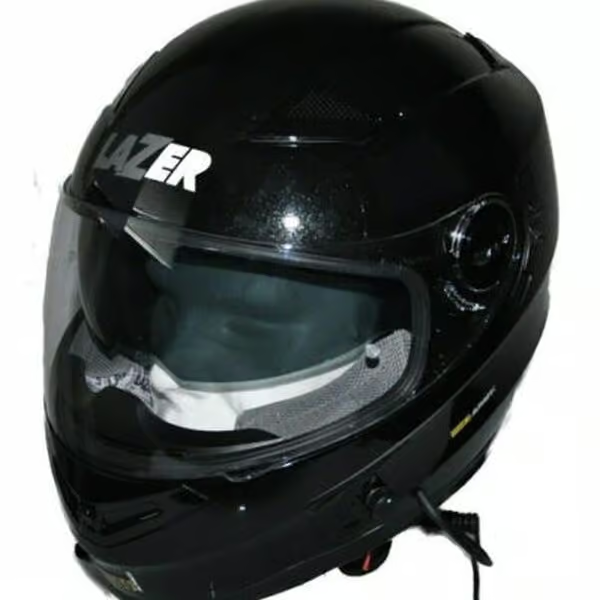
✈ Skydiving helmets protect the head during aircraft movement, freefall and landing operations, with full-face and open-face options available for different disciplines.
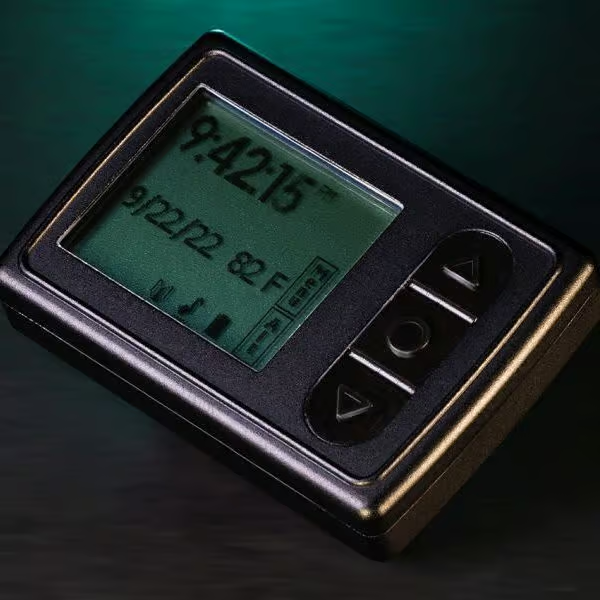
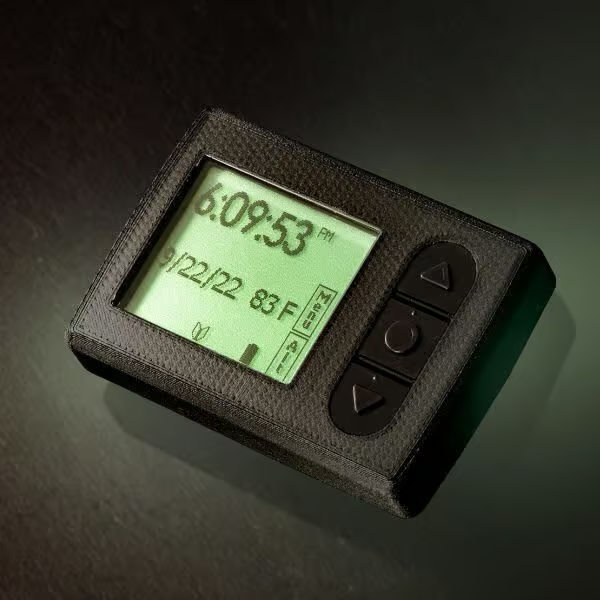
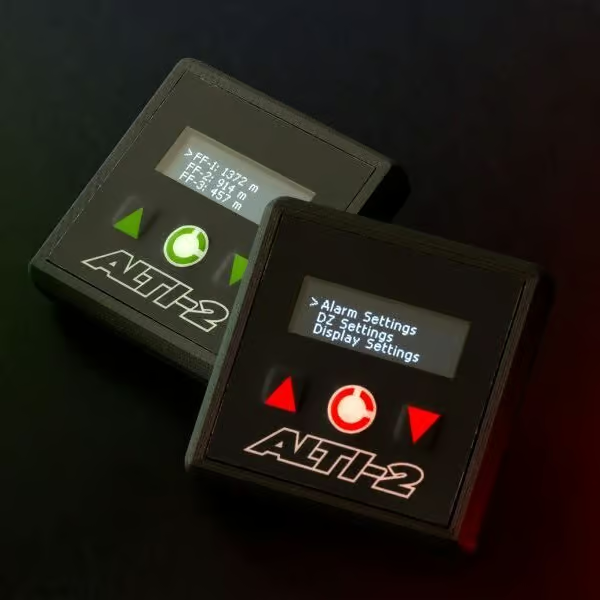
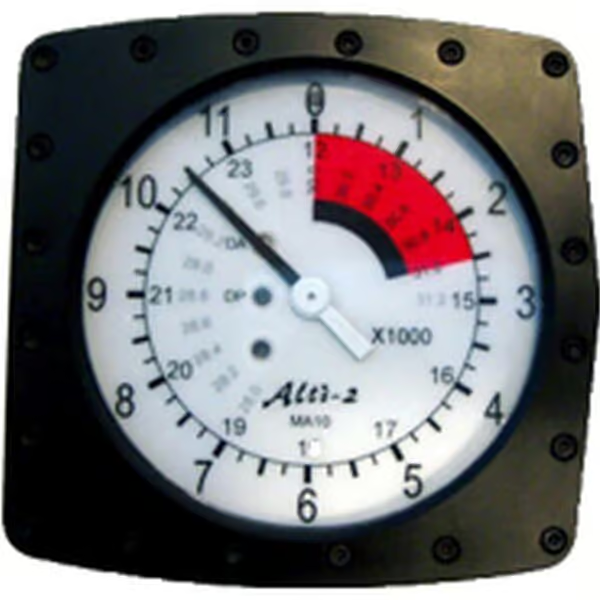
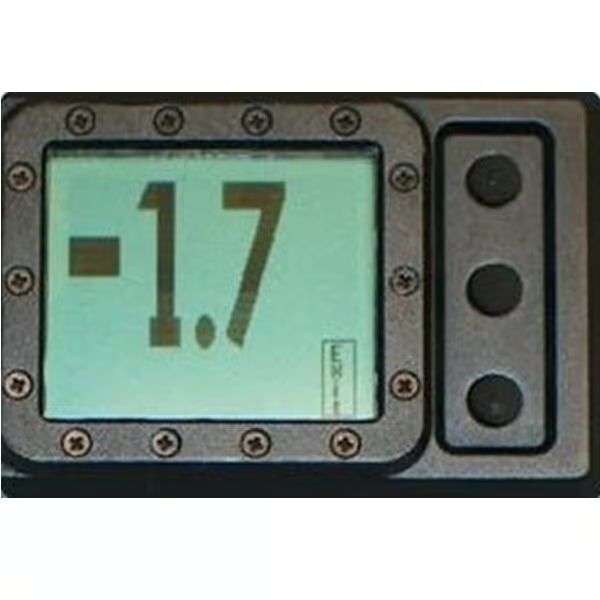
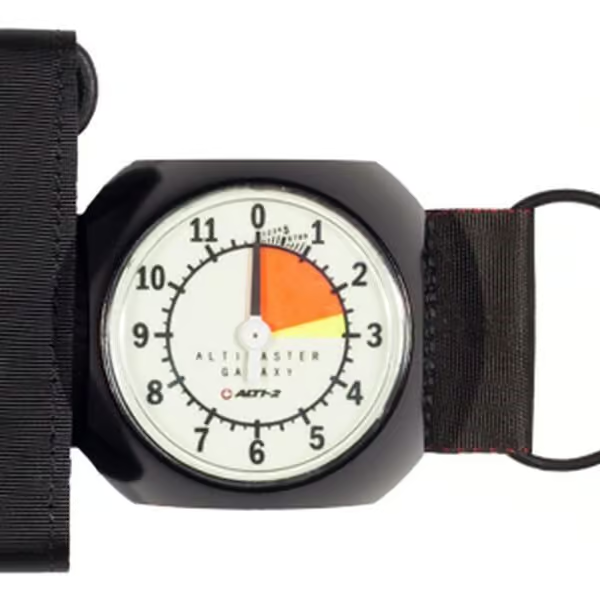
✈ Altimeters help skydivers maintain altitude awareness throughout freefall and canopy descent, using visual, audible or digital systems depending on operational preference.
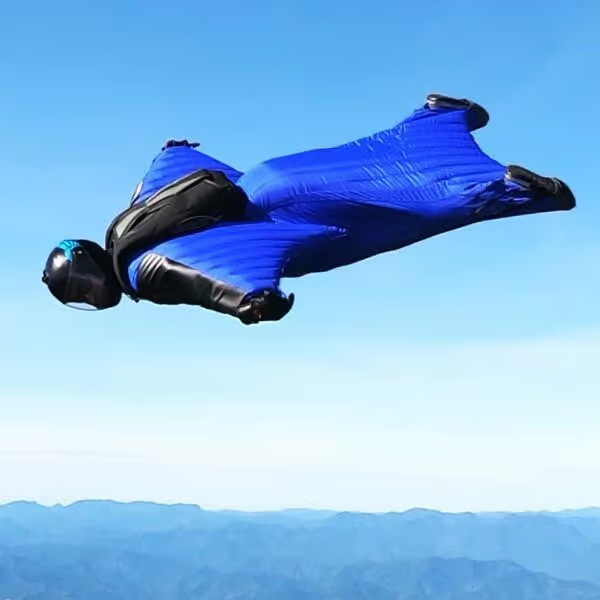
✈ Skydiving suits support aerodynamic control, mobility and drag management, with discipline-specific designs available for freefly, RW, tunnel and canopy piloting use.
✈ Additional equipment such as goggles, gloves, hook knives and camera systems can further improve operational safety, comfort and performance during specialised jumps.
Choosing Equipment for Operational Use
Skydiving equipment should always be selected based on experience level, intended discipline and compatibility between system components. Proper fit, certified maintenance history and manufacturer support are all critical when sourcing operational gear. Many jumpers work closely with instructors, riggers and specialist suppliers to ensure equipment configurations remain safe, compliant and suited to their progression within the sport.