


Kite Training








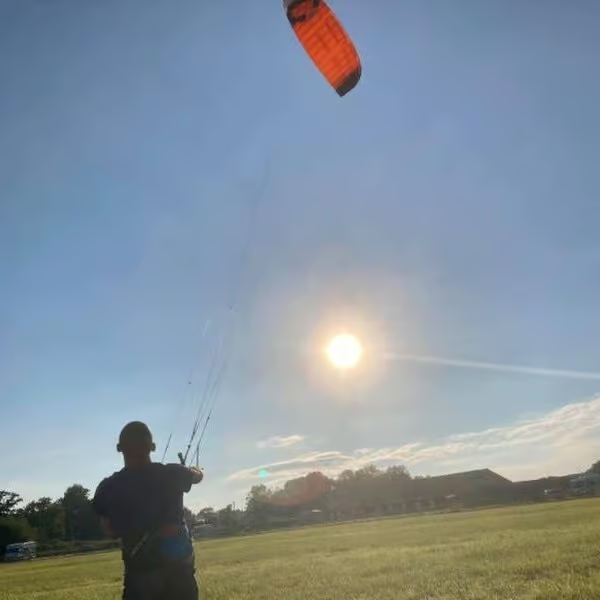

Sourcing Kite Training
Kite training introduces pilots and aviation enthusiasts to the principles of traction kites, kite control systems and wind-powered flight handling techniques used across specialist recreational and aviation-related disciplines. Whether you are looking for introductory kite handling instruction, advanced power kite control, land-based kite operations or crossover training relevant to gliding and wind awareness, the providers listed on AvPay offer structured tuition tailored to varying experience levels. Training may include ground handling, wind assessment, launch and recovery procedures, safety management and operational techniques designed to build confidence in dynamic wind environments while maintaining strong safety standards.
Helpful Hints when Sourcing Kite Training
✈ Check whether the provider specialises in traction kites, power kites or aviation-related kite disciplines, as equipment types and training methods can vary significantly between operators.
✈ Ask what wind conditions are considered suitable for training, because safe instruction depends heavily on consistent surface wind strength and local operating environments.
✈ Confirm that all safety equipment is supplied and inspected regularly, including harnesses, helmets, release systems and communication equipment used during training sessions.
✈ Ensure the course includes practical emergency procedures such as kite depowering, rapid release actions and safe recovery techniques in unstable wind conditions.
✈ Review instructor qualifications and operational experience carefully, especially if you intend to progress into advanced traction or crosswind handling exercises.
✈ Ask whether the training site has suitable open operating space free from obstacles, power lines and congested public areas that may affect safety margins.
✈ Clarify whether the provider offers progression pathways into advanced kite disciplines or related soaring activities after completing introductory training.
✈ Check cancellation and weather policies before booking, because kite training schedules are highly dependent on safe and suitable wind conditions.
What to Consider when Choosing a Provider
When selecting a kite training provider, consider instructor experience, equipment quality, safety procedures and the suitability of the operating location for controlled training exercises. Providers should demonstrate strong operational discipline, clear briefing standards and structured progression suited to your experience level. It is also worth reviewing class sizes, available equipment types and whether advanced coaching or specialist disciplines are available after initial training. Through AvPay listings, users can contact providers directly via phone, email or WhatsApp and can click the organisation’s name to explore their wider profile, operational capabilities and additional aviation-related services.
Market your Kite Training Services on AvPay
AvPay gives kite training providers direct visibility within a specialist aviation and recreational flying marketplace used by pilots, clubs and aviation enthusiasts worldwide. A professional listing allows organisations to showcase training disciplines, instructor experience, operational locations and specialist equipment while generating targeted enquiries from users actively searching for wind-based training services. Whether you offer introductory kite handling, traction kite coaching or advanced operational instruction, AvPay provides a credible platform to present your expertise to a focused global audience.
➤ List your Company and Services on AvPay
Frequently Asked Questions when Searching for Kite Training
✈ What is included in a typical kite training course?
Most courses include wind assessment, equipment setup, safety procedures, launch techniques, kite control and recovery exercises.
✈ Do I need previous aviation or gliding experience?
No, many providers cater for complete beginners as well as experienced pilots looking to improve wind awareness and control skills.
✈ Is kite training weather dependent?
Yes, safe kite operations rely heavily on suitable wind strength, direction and stable operating conditions.
✈ What safety equipment is normally used during training?
Training commonly includes helmets, harness systems, safety release mechanisms and instructor-supervised operational procedures.
✈ Can kite training improve soaring awareness?
Yes, many pilots find kite handling improves understanding of airflow, wind gradients and energy management principles.
✈ How long does introductory kite training take?
Many introductory sessions can be completed within a day, although progression into advanced disciplines requires additional practice.
✈ Are there age or fitness requirements for kite training?
Requirements vary between providers, although reasonable mobility and the ability to operate safely in outdoor conditions are normally expected.
✈ Can I continue training after the beginner course?
Yes, many providers offer advanced coaching, specialist kite disciplines and progression pathways into higher-performance operations.