


Gyrocopter Flying Experiences








Sourcing Gyrocopter Flying Experiences
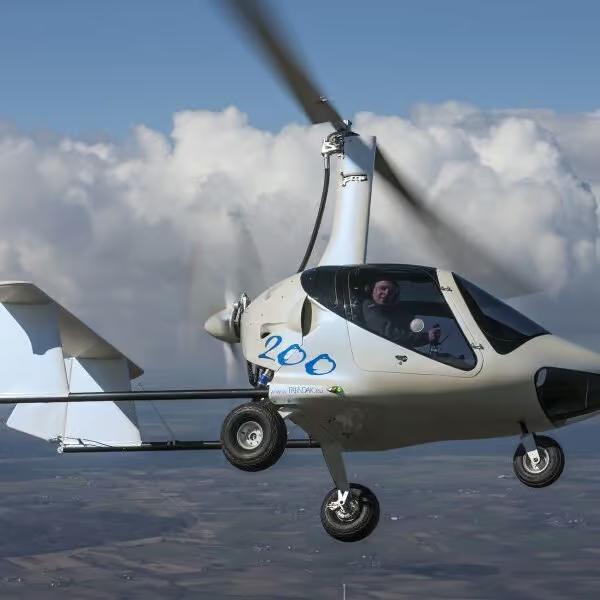
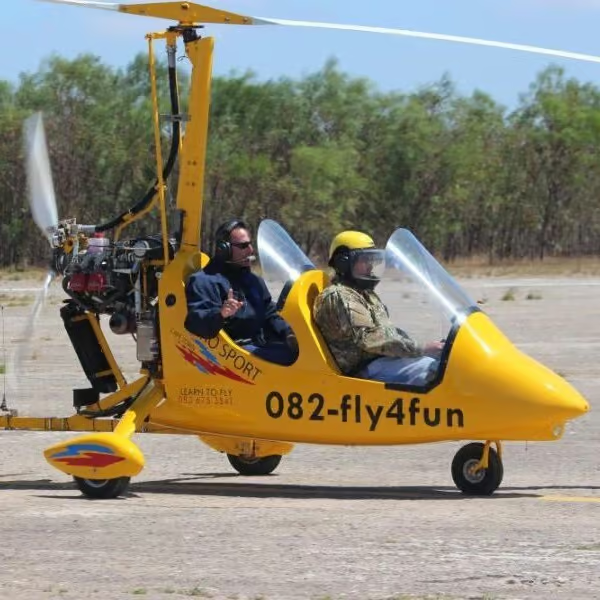
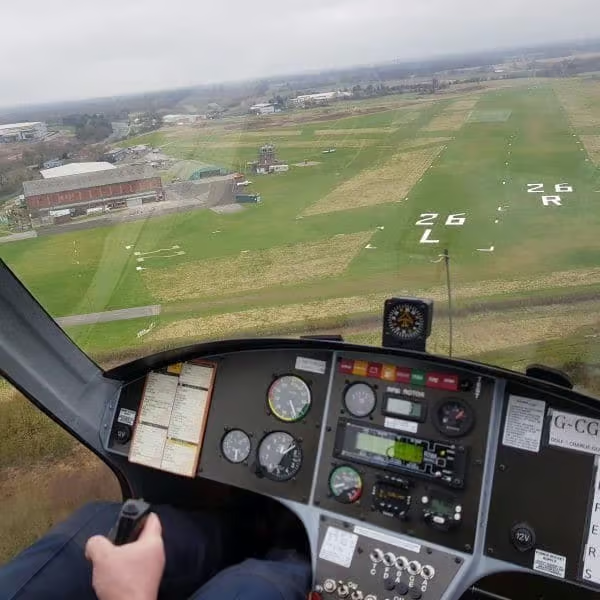
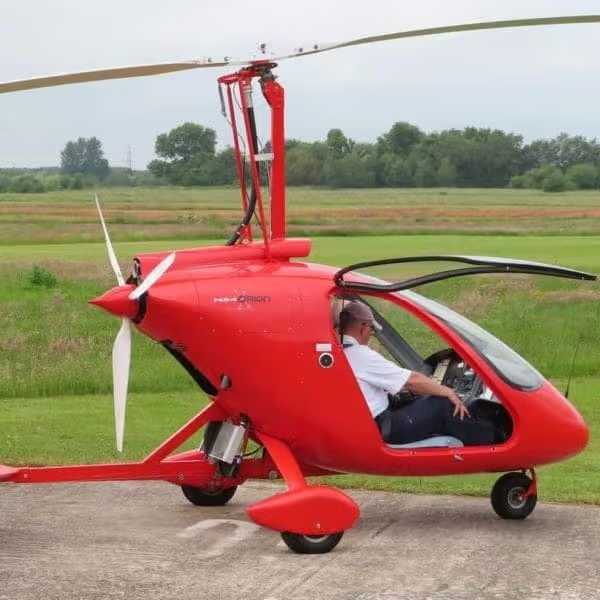
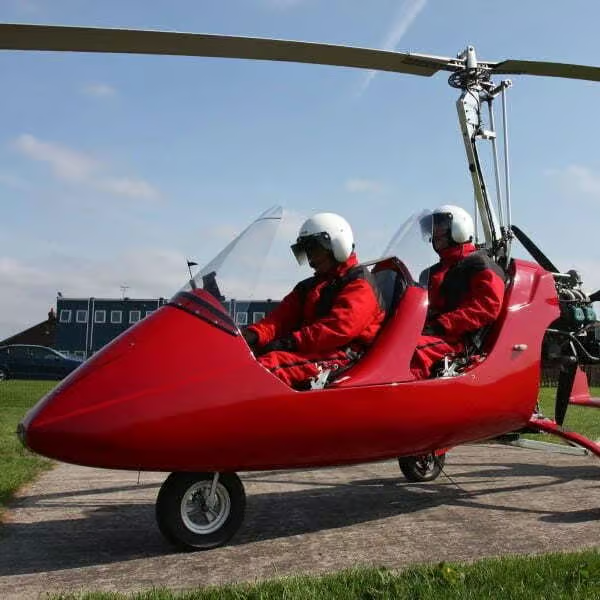
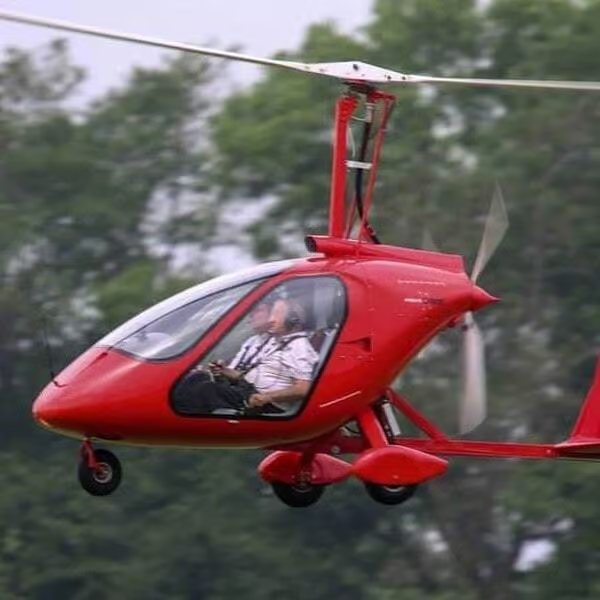
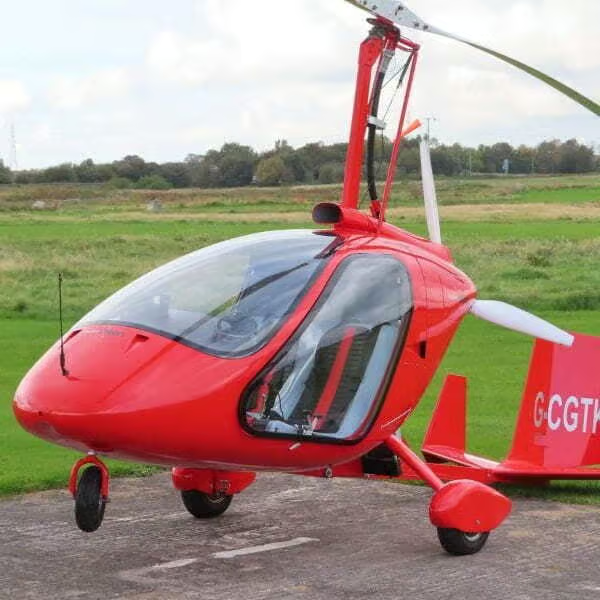
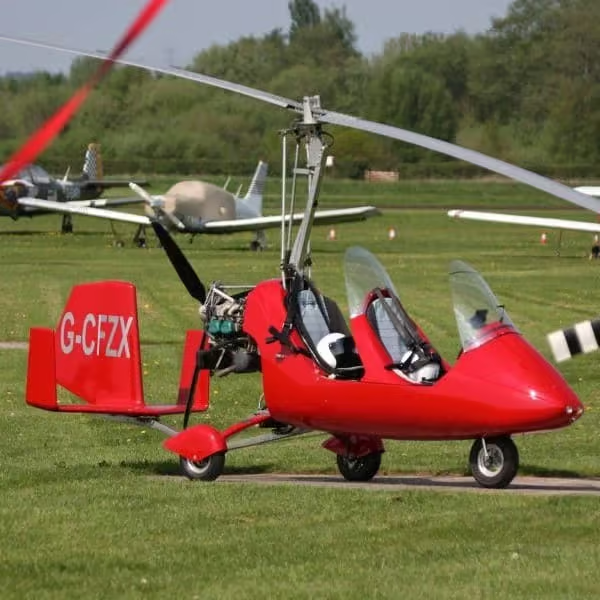
Gyrocopter flying experiences offer a unique way to enjoy low-level open-air flying with exceptional visibility and highly responsive handling characteristics. Unlike helicopters, gyrocopters use an unpowered rotor system combined with an engine-driven propeller to generate lift and forward thrust, creating a distinctive flying experience that many aviation enthusiasts describe as one of the closest sensations to true free-flight. Providers listed on AvPay may offer introductory gyrocopter flights, trial lessons, scenic tours and hands-on dual-control experiences operated by qualified instructors and licensed gyroplane schools. Whether you are looking for a gift experience, a first step into gyroplane training or simply an unforgettable aviation adventure, this section helps connect users with trusted gyrocopter operators worldwide.
Helpful Hints when Sourcing Gyrocopter Flying Experiences
✈ Confirm whether the experience includes hands-on flight time or is purely passenger-based, as some operators allow limited dual-control flying under instruction.
✈ Check weight height and medical restrictions carefully before booking, as gyrocopters often have stricter operating limitations than larger aircraft.
✈ Ask what type of gyrocopter will be used for the experience, as enclosed cabin models and open cockpit designs provide very different flying sensations.
✈ Review local weather conditions and seasonal flying reliability, as strong winds and poor visibility can affect gyroplane operations more frequently.
✈ Wear practical layered clothing and suitable footwear, particularly for open cockpit flights where wind exposure can become significant even in mild weather.
✈ Consider booking longer flight durations if available, as gyrocopters are particularly well suited to scenic coastal countryside and low-level sightseeing routes.
✈ Verify that the operator uses qualified gyroplane instructors and operates under the appropriate national aviation authority regulations and approvals.
✈ Ask whether onboard photography or video packages are available, as gyrocopter flights often provide outstanding panoramic visibility for aerial footage.
What to Consider when Choosing a Provider
When choosing a gyrocopter flying experience provider, it is important to review instructor qualifications, aircraft condition, operational safety standards and the type of experience being offered. Some operators specialise in introductory scenic flights while others focus on hands-on flight training and trial lessons for prospective gyroplane pilots. Availability, local flying scenery and aircraft configuration can also significantly affect the overall experience. Users can contact providers directly through phone, email or WhatsApp via the listings, while clicking the organisation’s name allows access to their full profile and additional aviation experiences or training services.
Market your Gyrocopter Flying Experience Services on AvPay
AvPay helps gyrocopter operators flight schools and gyroplane experience providers reach aviation enthusiasts actively searching for unique flying adventures and specialist aviation activities. Listing your services on AvPay allows your organisation to showcase scenic flights, trial lessons and introductory gyroplane experiences to a global aviation audience. Providers can improve visibility, generate direct enquiries and promote their aircraft, instructors and flight packages through a professional aviation marketplace designed specifically for the industry.
➤ List your Company and Services on AvPay
Frequently Asked Questions when Searching for Gyrocopter Flying Experiences
✈ What is a gyrocopter?
A gyrocopter is a lightweight rotorcraft that uses an unpowered rotor for lift and an engine-driven propeller for forward thrust.
✈ Are gyrocopter flights safe?
When operated by qualified instructors and maintained correctly, gyrocopters provide safe and highly controlled recreational flying experiences.
✈ Can passengers fly a gyrocopter during the experience?
Some operators offer dual-control trial lessons where participants can handle the controls under instructor supervision during portions of the flight.
✈ What should I wear for a gyrocopter flight?
Comfortable layered clothing and secure footwear are recommended, especially for open cockpit aircraft exposed to wind and cooler temperatures.
✈ How long do gyrocopter flying experiences normally last?
Experience durations vary by provider, although many flights range from 20 minutes to over an hour depending on the package selected.
✈ Do weather conditions affect gyrocopter flights?
Yes, strong winds low cloud and poor visibility can lead to rescheduling, as gyrocopters are more weather-sensitive than larger aircraft.
✈ Can gyrocopter experiences count towards pilot training?
Trial lessons with approved instructors may contribute towards future gyroplane training depending on the local licensing authority.
✈ How can I contact gyrocopter operators on AvPay?
Users can contact operators directly through the phone, email or WhatsApp options available on each AvPay listing.
How Gyrocopters Differ from Helicopters
Gyrocopters and helicopters may look similar at first glance because both use rotor systems, but they operate in very different ways. A helicopter uses an engine-powered rotor to generate lift and allow hovering, vertical take-off and low-speed manoeuvring. A gyrocopter, also known as a gyroplane, uses an unpowered freely rotating rotor combined with an engine-driven propeller for forward thrust. This creates a simpler and often lighter aircraft design with very different flying characteristics, operating costs and handling behaviour.
Key Differences Between Gyrocopters and Helicopters
✈ Helicopter rotors are powered directly by the engine, while gyrocopter rotors spin freely through airflow generated during forward movement.
✈ Gyrocopters cannot hover like helicopters because they require forward airspeed to maintain rotor autorotation and stable lift generation.
✈ Most gyrocopters are mechanically simpler than helicopters, resulting in lower maintenance costs and reduced operating complexity for owners and operators.
✈ Helicopters are capable of vertical take-off and landing, while gyrocopters generally require a short runway or take-off roll to become airborne.
✈ Gyrocopters are often praised for excellent low-speed stability and strong resistance to aerodynamic stalls during normal flight operations.
✈ Helicopters are commonly used for offshore transport emergency services and lifting operations, while gyrocopters are more recreational and training focused.
✈ Open cockpit gyrocopters provide highly exposed panoramic flying experiences, creating a very different sensation compared to enclosed helicopter cabins.
✈ Gyrocopters usually operate at lower speeds and altitudes than helicopters, making them especially popular for sightseeing photography and leisure flying.
Why Pilots and Passengers Enjoy Gyrocopters
Many aviation enthusiasts enjoy gyrocopters because they combine elements of fixed-wing and rotary flying into a highly responsive open-air experience. The unobstructed visibility, lighter controls and lower-level scenic flying create a strong sense of connection with the surrounding environment. While helicopters are unmatched for hovering and heavy operational work, gyrocopters offer a simpler and often more affordable route into recreational rotorcraft aviation.
Choosing Between the Two Experiences
For passengers seeking smooth scenic transport, hovering capability or luxury charter operations, helicopters remain the preferred choice. For those wanting a more raw, lightweight and engaging flying experience with strong visibility and hands-on feel, gyrocopters provide something genuinely different within general aviation. Both aircraft types have unique strengths and continue to play important roles across recreational and commercial aviation sectors.