


Ground School













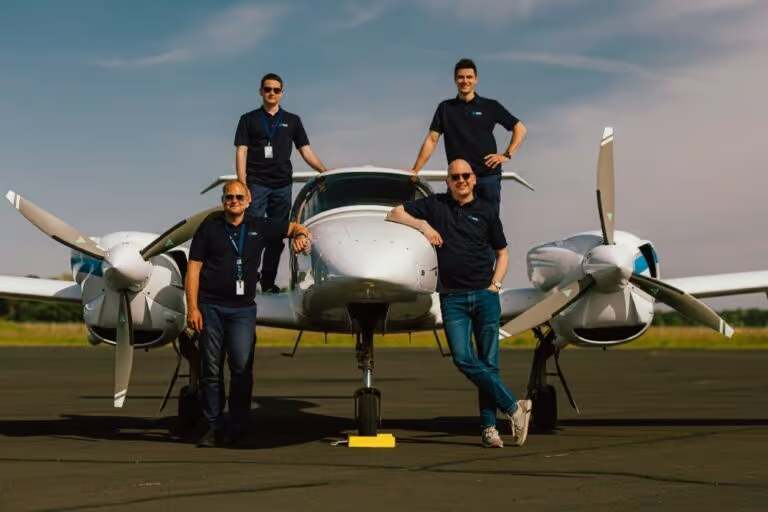





Sourcing Ground School
Ground school provides the theoretical aviation knowledge required to support safe flight operations, licence progression and examination success across private, commercial and specialist pilot training pathways. Whether you are preparing for PPL, CPL, ATPL, instrument rating or type-specific studies, the providers listed on AvPay offer aviation ground school programmes covering subjects such as air law, meteorology, navigation, aircraft systems, flight planning, human performance and operational procedures. Training may be delivered through classroom instruction, online learning platforms, intensive revision courses or blended study formats, helping pilots and aviation professionals build the technical knowledge needed for practical flight training and regulatory examinations.
Helpful Hints when Sourcing Ground School
✈ Confirm the ground school syllabus matches your intended licence or rating pathway, as regulatory subject requirements differ between PPL, CPL, ATPL and IR training.
✈ Ask whether the provider offers live instructor support or mentoring sessions, particularly for complex subjects such as flight planning and performance calculations.
✈ Review the training format carefully because some pilots perform better with structured classroom learning while others prefer flexible online study access.
✈ Ensure the course materials reflect current aviation regulations and examination standards to avoid revising outdated operational procedures or air law guidance.
✈ Check whether mock examinations and progress testing are included, as regular assessment improves retention and identifies weak knowledge areas early.
✈ Consider providers offering integrated flight and theory scheduling because aligning ground school with practical lessons can improve operational understanding.
✈ Ask about average student pass rates and instructor backgrounds, especially for advanced theory programmes involving commercial or airline-level subjects.
✈ Verify course access periods and revision support availability so you can continue reviewing material before examinations or licence skill tests.
What to Consider when Choosing a Provider
When selecting a ground school provider, evaluate the quality of instructional support, syllabus structure, examination preparation resources and flexibility of course delivery. Strong providers should combine technical knowledge with real operational aviation context rather than relying solely on memorisation techniques. Consider whether the programme supports your study schedule, licence goals and preferred learning style, particularly if balancing theory training alongside employment or flight training commitments. Through AvPay listings, you can contact providers directly via phone, email or WhatsApp to discuss course formats, subject coverage and examination preparation support. You can also click the organisation’s name to explore their full profile, training capabilities and wider aviation services.
Market your Ground School Services on AvPay
AvPay helps aviation academies, instructors and training organisations promote ground school services to pilots and aviation professionals actively seeking recognised theory training. A professional listing allows providers to showcase course structures, subject expertise, instructor experience and delivery methods within a trusted global aviation marketplace. Whether you deliver classroom tuition, online aviation theory programmes or advanced examination preparation courses, AvPay supports direct enquiries from students, operators and aviation organisations worldwide.
➤ List your Company and Services on AvPay
Frequently Asked Questions when Searching for Ground School
✈ What is aviation ground school?
Ground school provides the theoretical knowledge required for pilot licences, ratings and aviation examinations before or alongside flight training.
✈ Can ground school be completed online?
Many providers offer online aviation ground school with live instruction, recorded lessons, mock exams and remote learning support.
✈ Which subjects are normally covered during ground school?
Typical subjects include meteorology, navigation, air law, aircraft systems, human performance, communications and flight planning.
✈ How long does aviation ground school usually take?
Course duration depends on the licence level, training format and study intensity chosen by the student.
✈ Is ground school required before flight training?
Some practical training can begin first, although strong theoretical knowledge often improves flight training efficiency and operational understanding.
✈ Do ground school providers prepare students for official exams?
Yes, most providers include revision support, mock examinations and exam-focused tuition aligned with aviation authority requirements.
✈ Can international students attend aviation ground school courses?
Many providers support international students through online access, flexible scheduling and internationally recognised aviation training programmes.
✈ What should I look for in a good ground school provider?
Look for experienced instructors, updated training material, structured revision support and strong student feedback or examination success rates.
How Ground School Supports Flight Training
Ground school forms the foundation of safe and efficient flight training by giving pilots the theoretical understanding needed to support practical flying skills. From navigation and meteorology through to aircraft systems and air law, strong aviation theory knowledge allows students to make better operational decisions in the cockpit, communicate more effectively with instructors and progress through training with greater confidence. Whether completing PPL, CPL or advanced rating programmes, pilots who actively integrate ground school with flight lessons often develop stronger situational awareness, improved procedural discipline and better long-term knowledge retention.
Why Theory Knowledge Matters in Practical Flying
✈ Understanding aircraft systems during ground school helps pilots diagnose abnormal indications more effectively during flight exercises and operational checks.
✈ Meteorology training improves flight planning accuracy by teaching pilots how weather systems, cloud formations and wind patterns affect aircraft performance.
✈ Navigation theory supports practical route flying by helping students interpret charts, calculate headings and understand controlled airspace requirements.
✈ Air law study reinforces safe operational decision-making by teaching pilots regulatory responsibilities, radio procedures and airspace compliance standards.
✈ Human performance subjects improve cockpit awareness by helping pilots recognise fatigue, workload pressure and common decision-making limitations.
✈ Ground school briefings often reduce airborne workload because students already understand procedures before entering the aircraft for training sorties.
✈ Pilots with strong theory preparation generally require fewer repeated lessons because they understand the reasoning behind flight exercises and instructor inputs.
✈ Integrated theory and flight training supports long-term aviation competence by combining technical knowledge with real operational flying experience.
Building Professional Aviation Standards
Professional flight training relies heavily on disciplined theoretical preparation alongside practical instruction. Pilots who engage properly with ground school are usually better prepared for briefings, simulator sessions, flight tests and operational progression. Aviation theory also supports communication between students, instructors and examiners by establishing common technical language and standard operating practices. In commercial aviation environments especially, strong theoretical understanding contributes directly to safer operations, improved crew coordination and more effective risk management throughout every stage of flight.