


Skydiving Experiences













Sourcing Skydiving Experiences
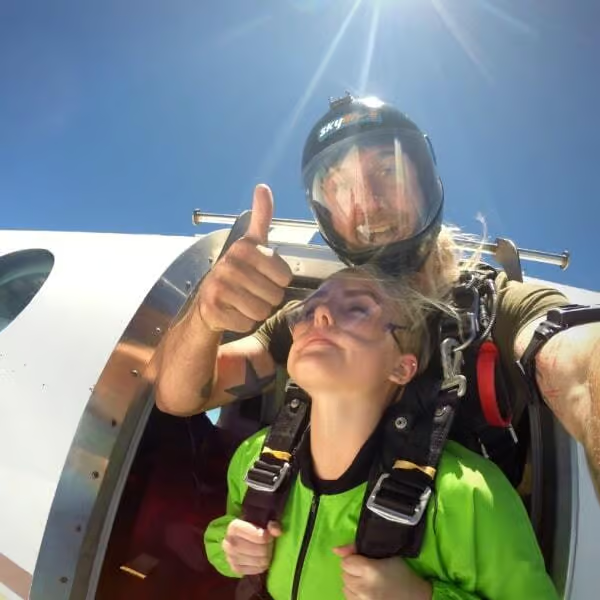
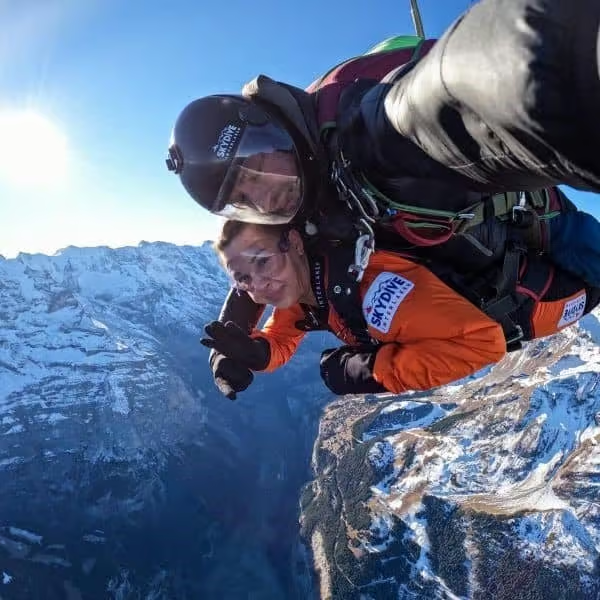
Skydiving experiences offer one of the most exciting ways to experience aviation, combining aircraft operations with high-adrenaline freefall and parachute descents. Providers listed on AvPay may offer tandem skydives, accelerated freefall training, static line courses, formation skydiving and introductory parachuting experiences for both first-time jumpers and experienced skydivers. Whether users are looking for a one-off tandem skydive, progression training towards solo qualification or corporate group skydiving events, this section helps connect customers with professional skydiving operators, drop zones and parachute training providers operating across the aviation sector.
Helpful Hints when Sourcing Skydiving Experiences
✈ Always check the operator’s safety record, instructor qualifications and governing body memberships before booking any tandem skydive or parachute training course.
✈ Review minimum and maximum weight restrictions carefully before booking, as aircraft performance limitations and parachute equipment requirements vary between operators.
✈ Book skydiving experiences well in advance during peak summer periods, particularly at busy drop zones offering tandem skydives and training weekends.
✈ Weather conditions can affect parachute operations significantly, so choose providers with flexible rescheduling policies in case jumps are delayed or postponed.
✈ Ask what aircraft types are used for parachuting operations, as climb performance and jump altitude can vary considerably between turbine and piston aircraft.
✈ Confirm whether photography and video packages are available before arrival if you want professionally filmed footage of the skydive experience.
✈ Wear suitable clothing and secure footwear for parachuting activities, avoiding loose items that could interfere with harness systems or parachute equipment.
✈ If progressing beyond tandem skydiving, compare the structure of training programmes carefully to ensure they align with recognised parachuting qualifications.
What to Consider when Choosing a Provider
When selecting a skydiving provider, users should assess instructor experience, aircraft reliability, safety procedures and the overall reputation of the drop zone. Some operators focus primarily on tandem skydiving experiences, while others specialise in advanced parachute training, formation skydiving or military-style progression courses. Operational considerations such as aircraft availability, weather contingency planning, jump altitude and video package options should also be reviewed before booking. AvPay listings allow users to contact providers directly through phone, email or WhatsApp, while clicking the organisation name provides access to full profiles, facilities and additional aviation services.
Market your Skydiving Experience Services on AvPay
AvPay helps skydiving operators, parachute training schools and aviation experience providers promote their services directly to aviation enthusiasts, adventure customers and corporate groups searching for aviation-based experiences. Whether offering tandem skydives, parachute training or specialist aerial events, providers can showcase their facilities, aircraft operations and jump programmes to a global aviation audience actively searching for unique aviation experiences.
➤ List your Company and Services on AvPay
Frequently Asked Questions when Searching for Skydiving Experiences
✈ What is a tandem skydive?
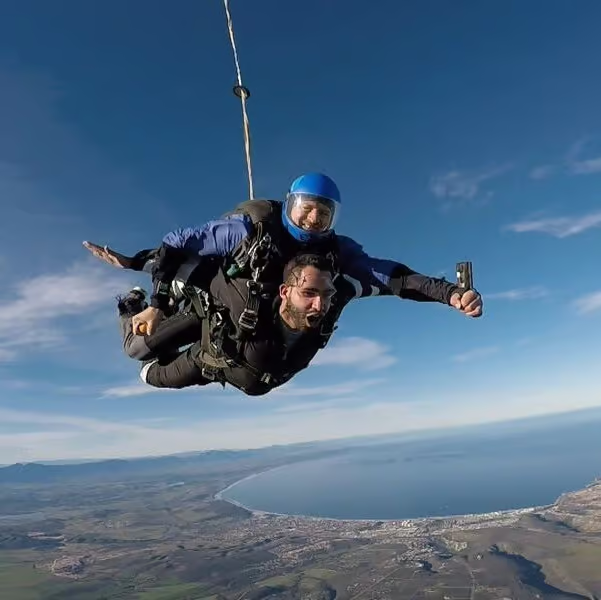
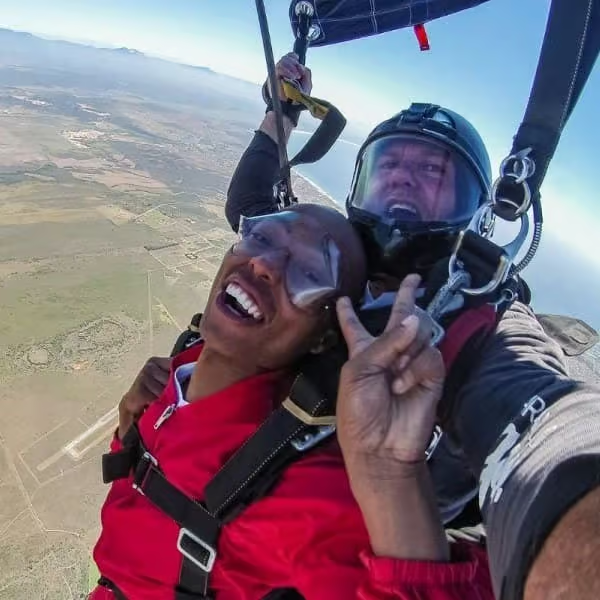
A tandem skydive involves a student being securely attached to a qualified instructor throughout the aircraft exit, freefall and parachute landing.
✈ Do I need previous experience to go skydiving?
No, most first-time skydivers begin with tandem jumps where the instructor manages the parachute operation and safety procedures.
✈ What altitude do skydiving jumps normally take place from?
Most tandem skydives take place between 10,000 and 15,000 feet depending on aircraft performance and operational procedures.
✈ Can weather affect skydiving operations?
Yes, strong winds, poor visibility, rain and low cloud can delay or cancel parachuting operations for safety reasons.
✈ Are skydiving experiences physically demanding?
Most tandem skydives require only moderate physical mobility, although participants should review any medical restrictions with the operator beforehand.
✈ How long does a typical skydiving experience last?
Most tandem skydiving sessions last several hours including registration, safety briefings, aircraft boarding and jump operations.
✈ Can I progress from tandem skydiving into solo training?
Yes, many drop zones offer accelerated freefall and static line training programmes for those wanting to qualify as solo skydivers.
✈ How can I contact skydiving providers on AvPay?
Users can contact skydiving operators directly through AvPay using phone, email or WhatsApp contact options listed on each profile.
Different Types of Skydiving Experiences Explained
Modern skydiving offers far more than a standard tandem jump, with experiences ranging from first-time parachute descents to advanced freefall training and competitive formation skydiving. Different types of skydiving are designed for varying skill levels, budgets and adrenaline preferences, making it important for customers to understand how each experience works before booking. From tandem skydives and accelerated freefall courses through to military-style jumps and indoor wind tunnel training, the aviation and parachuting industry now provides a wide range of professionally operated skydiving activities.
Popular Types of Skydiving Experiences
✈ Tandem skydiving is the most popular option for beginners, allowing first-time jumpers to experience freefall while securely attached to a qualified instructor.
✈ Accelerated Freefall training allows students to progress towards solo skydiving qualifications through structured freefall instruction and parachute control exercises.
✈ Static line parachuting introduces students to skydiving by deploying the parachute automatically after exiting the aircraft, reducing freefall complexity.
✈ Indoor skydiving uses powerful vertical wind tunnels to simulate freefall conditions without requiring an aircraft or parachute deployment.
✈ Formation skydiving involves groups of experienced jumpers performing coordinated manoeuvres and formations during freefall before separate parachute deployment.
✈ Wingsuit flying is an advanced form of skydiving using specialised suits that create lift and allow jumpers to glide horizontally through the air.
✈ High altitude skydives offer longer freefall durations and often include supplemental oxygen systems due to the increased operating altitude.
✈ Display and demonstration jumps are commonly performed at airshows and aviation events where experienced parachutists land within designated crowd areas.
Choosing the Right Skydiving Experience
The best skydiving experience depends largely on the participant’s confidence level, training goals and interest in progressing further within the sport. Tandem skydives remain the preferred option for first-time participants wanting a controlled introduction to freefall without undertaking formal parachute training. Those interested in long-term progression often move towards accelerated freefall or static line training programmes that lead to solo qualification. Indoor skydiving can also provide valuable freefall awareness before attempting a real aircraft jump. Experienced parachutists may then progress into advanced disciplines such as formation skydiving, canopy piloting or wingsuit flying under regulated training environments.
The Aviation Side of Skydiving Operations
Skydiving operations rely heavily on specialist aviation procedures, aircraft performance and airfield coordination. Common parachute aircraft include turbine-powered Cessna Caravans, PAC 750s, Twin Otters and modified piston aircraft capable of rapid climb performance and repeated jump cycles throughout the day. Operators must coordinate closely with air traffic services, weather systems and parachute drop procedures to maintain safe operations. For aviation enthusiasts, skydiving also provides a unique opportunity to experience specialised aerial operations rarely seen in standard commercial aviation environments.