


Flight Simulators






Sourcing Flight Simulators
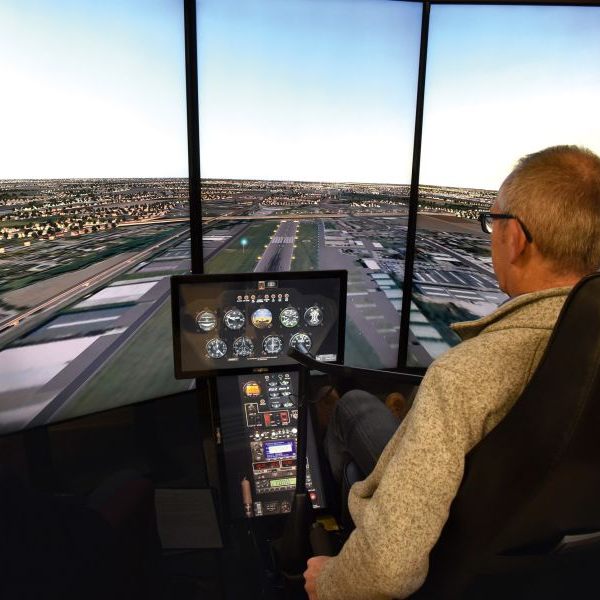
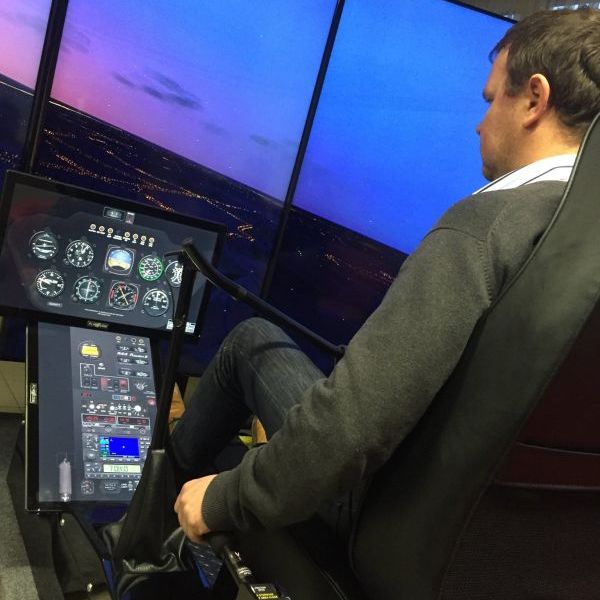
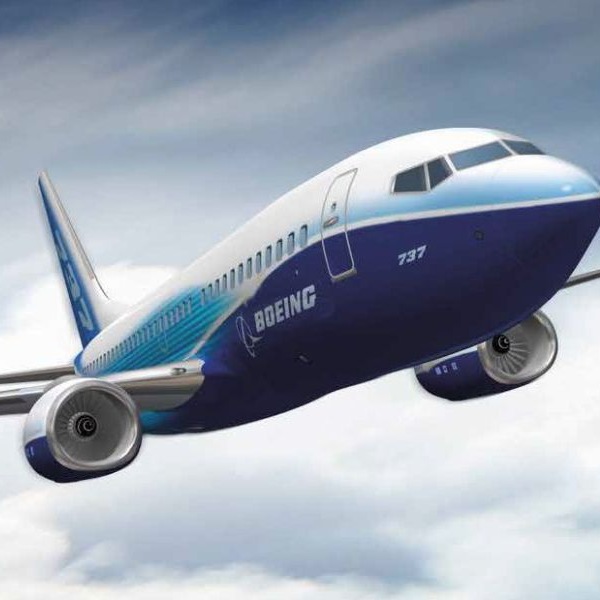
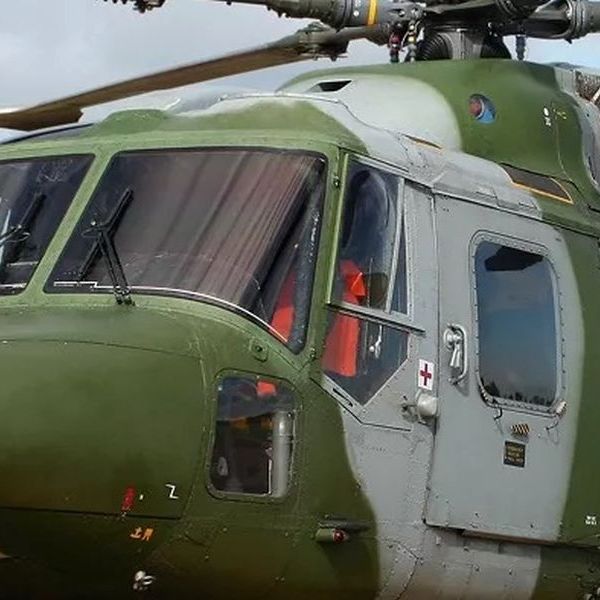
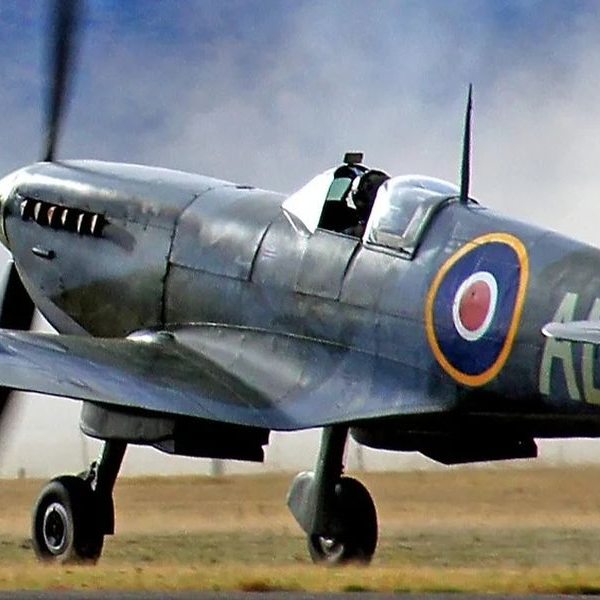
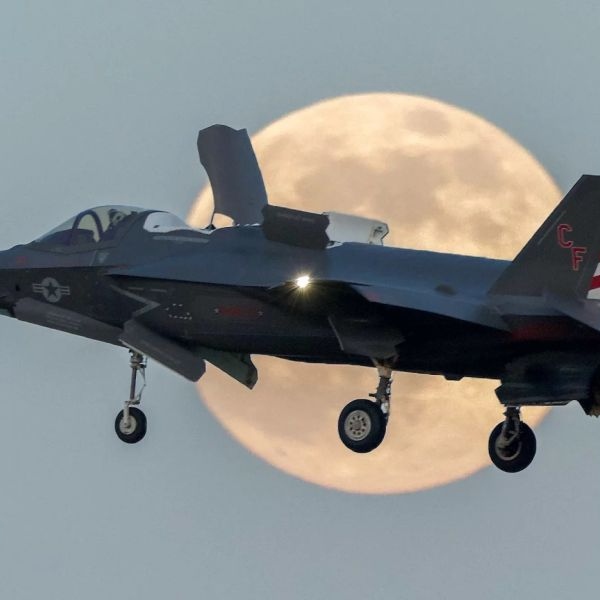
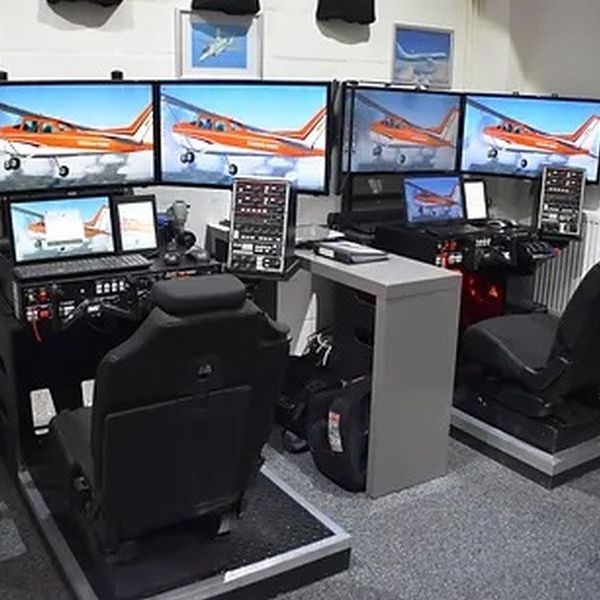
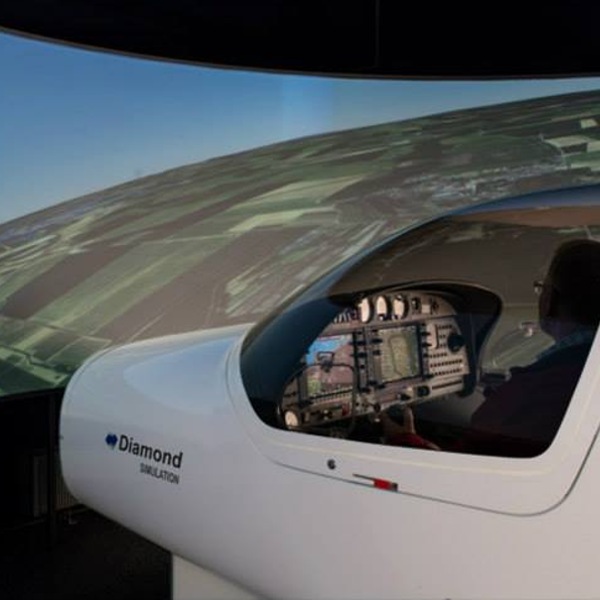
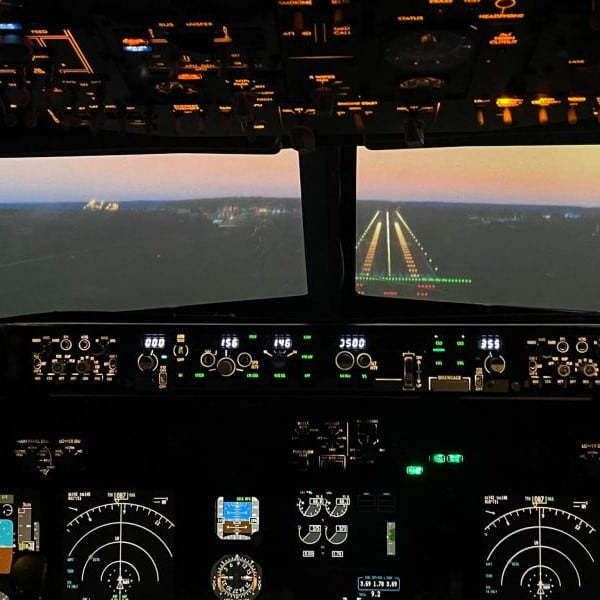
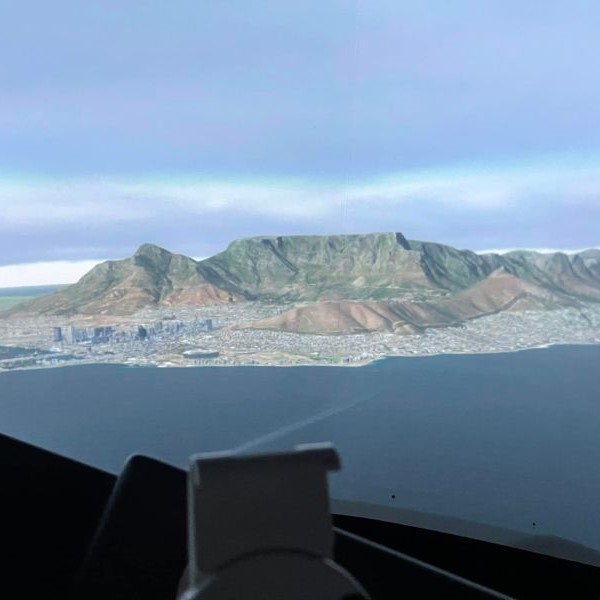
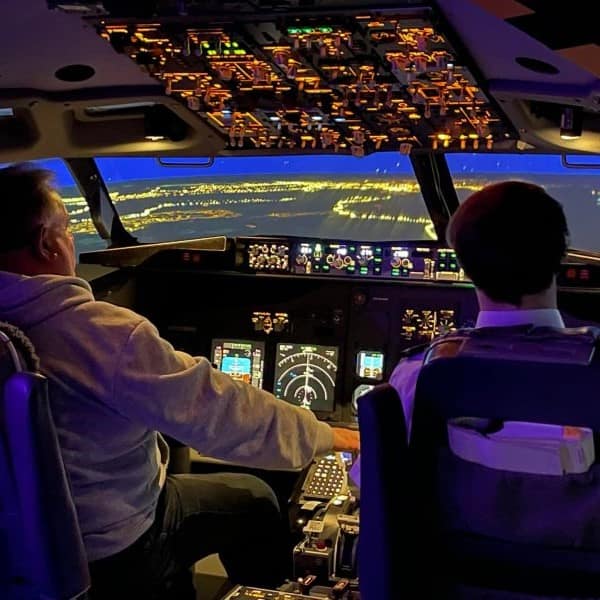
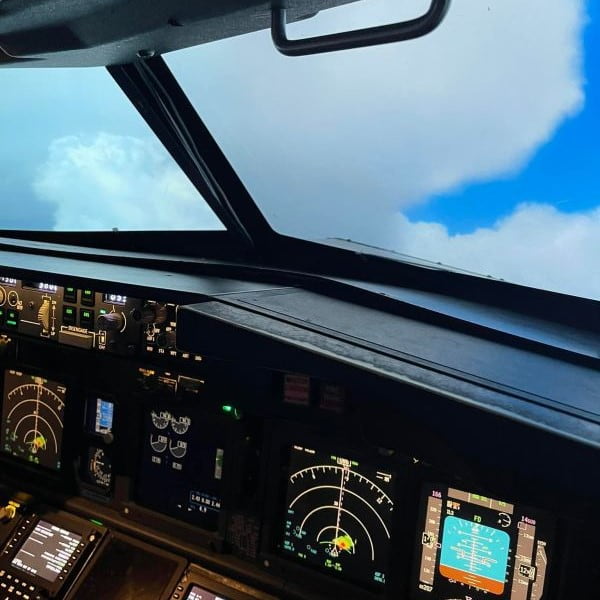
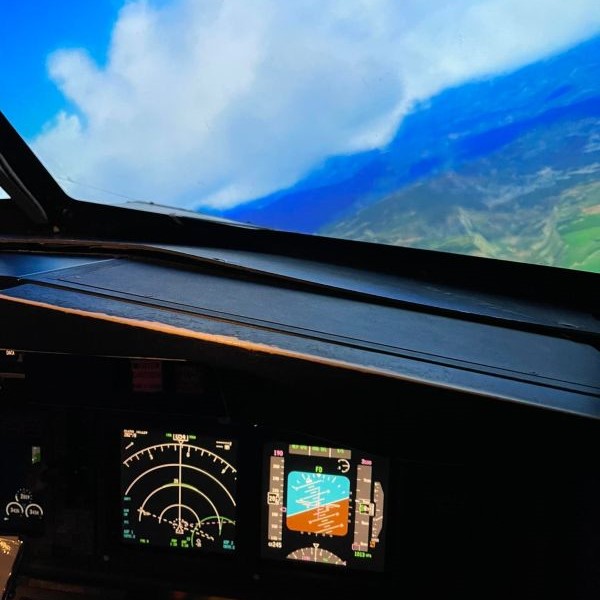
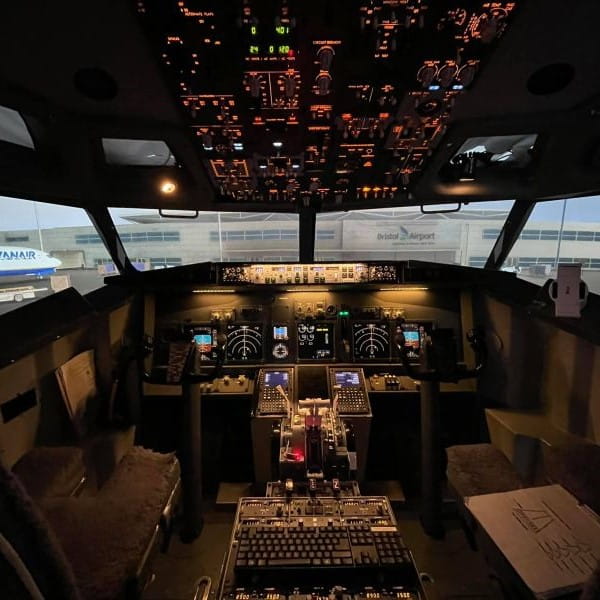
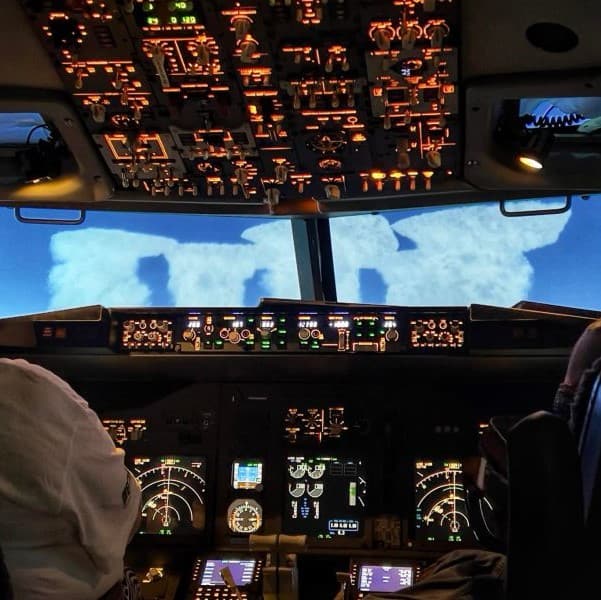
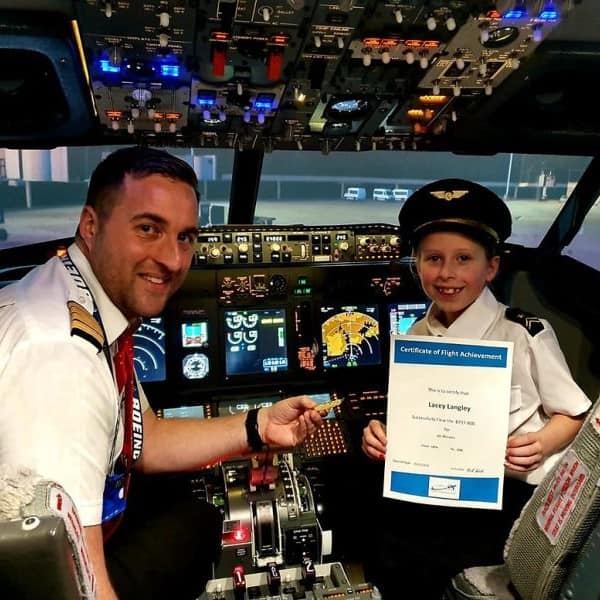
Flight simulators provide aviation enthusiasts, trainee pilots and experienced crews with realistic aircraft operating experiences in a controlled environment. From fixed-base GA trainers and home-built cockpits through to full-motion airline simulators replicating aircraft such as the Boeing 737 or Airbus A320, flight simulator experiences can range from entertainment-focused sessions to structured procedural training. Providers listed on AvPay offer a wide variety of simulator experiences including airline cockpit sessions, military jet simulators, helicopter simulators and advanced IFR training platforms, helping users compare locations, aircraft types and experience packages suited to both professional development and recreational aviation.
Helpful Hints when Booking Flight Simulators
✈ Check whether the simulator is a certified training device or an entertainment-focused setup, as cockpit realism, flight modelling and instructor involvement can vary considerably.
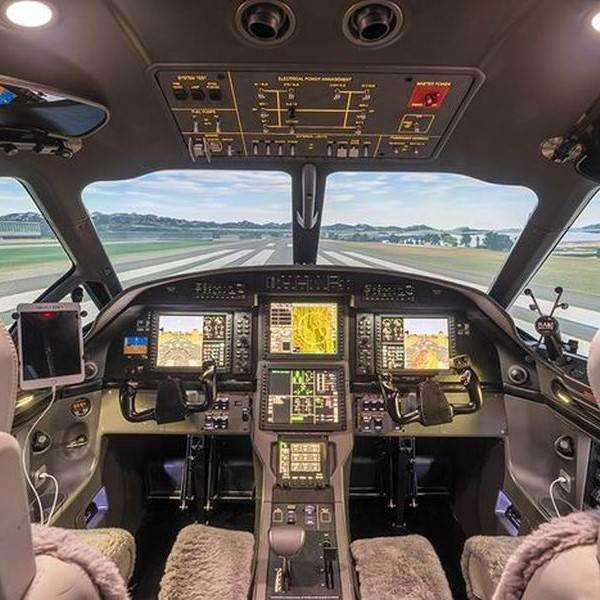
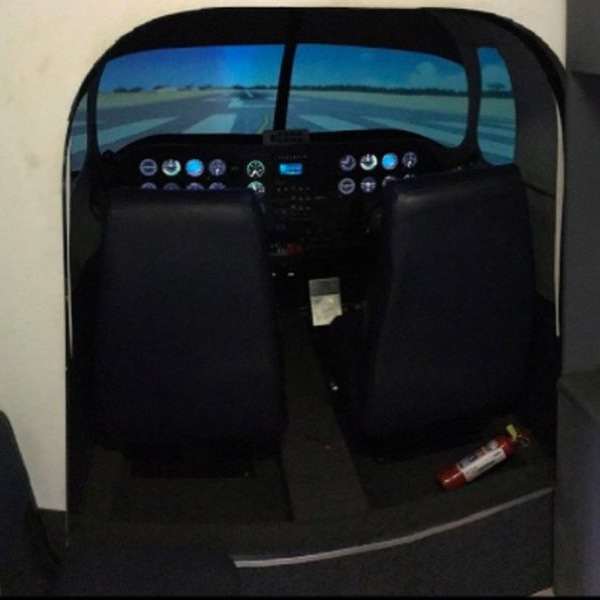
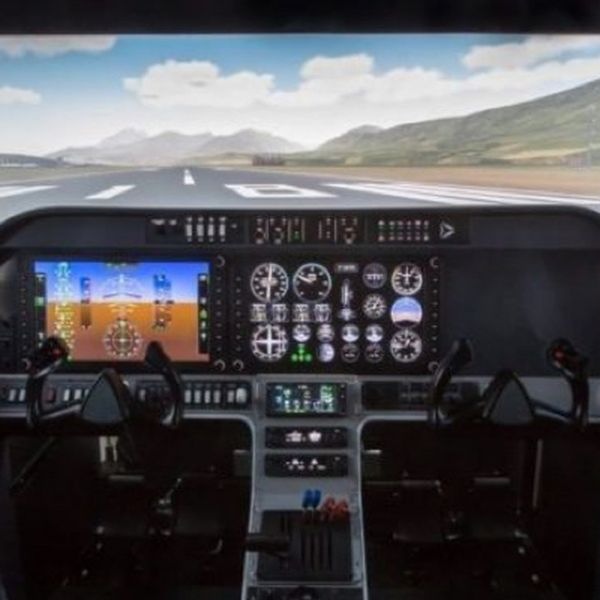
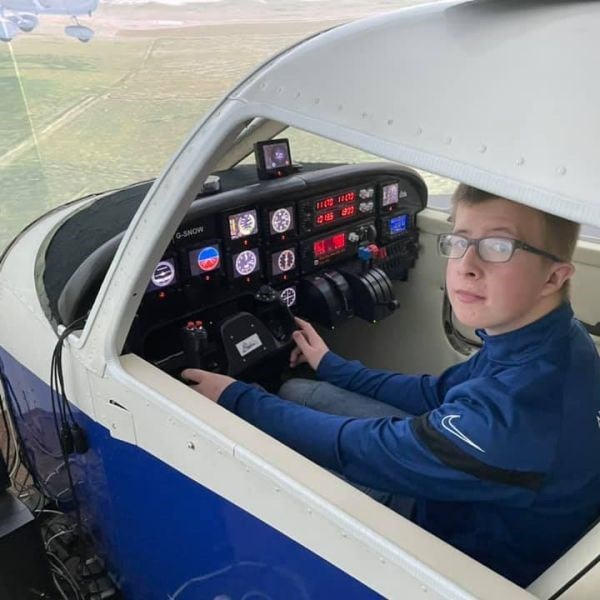
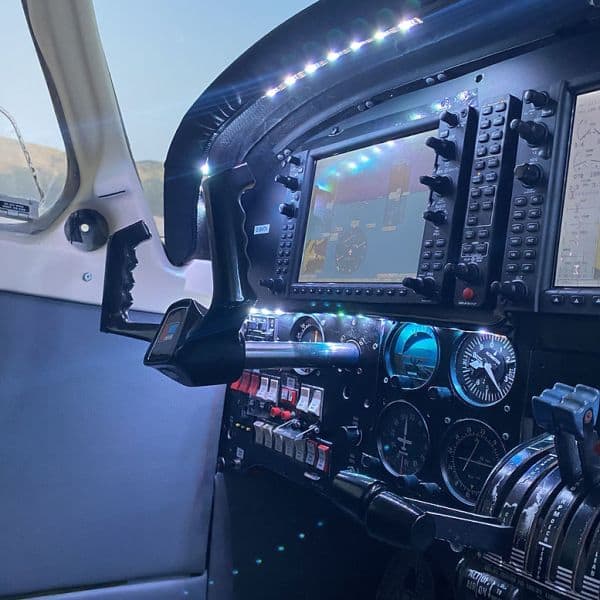
✈ Ask which aircraft variants and avionics suites are modelled because differences between older analogue cockpits and modern glass flight decks can significantly affect the experience.
✈ Confirm whether the session includes an instructor briefing and post-flight review, particularly if you want to improve real-world flying knowledge or procedural understanding.
✈ Review simulator motion capabilities before booking, as some systems use full-motion platforms while others are fixed-base simulators focused on procedures and handling.
✈ Ask if custom airports, weather conditions or emergency scenarios can be included, especially if you are preparing for flight training or recurrent proficiency work.
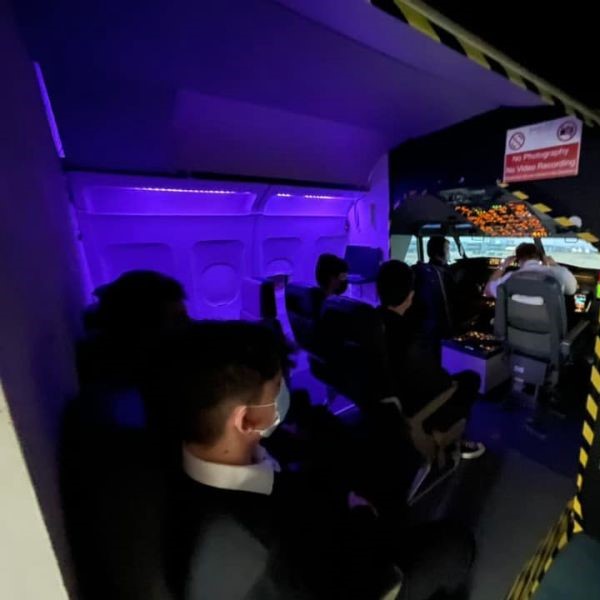
✈ Consider simulator accessibility and cockpit size before booking because some airliner or military simulator replicas have limited seating and entry space.
✈ Book longer sessions if possible, as shorter experiences often focus mainly on take-off and landing without allowing time for navigation or systems familiarisation.
✈ Check whether guests or observers are allowed in the simulator facility because many operators offer viewing areas or multi-crew participation opportunities.
What to Consider when Choosing a Provider
When selecting a flight simulator provider, consider the realism of the cockpit environment, instructor qualifications, aircraft type availability and the intended purpose of the session. Some providers specialise in airline-style simulator experiences, while others focus on military aviation, helicopter operations or procedural IFR training. Simulator maintenance, software quality and visual systems can also make a substantial difference to immersion and training value. AvPay listings allow users to contact providers directly via phone, email or WhatsApp and users can also click the organisation’s name to explore their full company profile and additional aviation services.
Market your Flight Simulator Services on AvPay
AvPay helps flight simulator operators connect with aviation enthusiasts, trainee pilots, corporate clients and professional flight crews searching for realistic aviation experiences and simulator training opportunities. Listings allow businesses to showcase aircraft types, simulator specifications, training capabilities and booking information within a specialist global aviation marketplace. Whether offering airline simulator sessions, military jet experiences or procedural training environments, AvPay provides a professional platform for increasing visibility and generating direct customer enquiries.
➤ List your Company and Services on AvPay
Frequently Asked Questions when Searching for Flight Simulators
✈ What types of aircraft simulators are available?
Providers may offer airline, military, helicopter, general aviation and aerobatic flight simulator experiences depending on their facilities and equipment.
✈ Are flight simulators suitable for beginners?
Yes, many simulator experiences are designed specifically for first-time users and include instructor guidance throughout the session.
✈ Can flight simulator time count towards pilot licences?
Only approved certified simulators operated under recognised aviation training organisations can contribute towards formal licence requirements.
✈ Do flight simulators use real aircraft controls?
Many high-end simulators use replica or genuine aircraft components to accurately reproduce cockpit layouts and operating procedures.
✈ How realistic are modern flight simulators?
Advanced simulators can accurately model aircraft handling, systems behaviour, weather conditions and airport environments with impressive realism.
✈ Can simulator sessions include emergencies or bad weather?
Yes, many operators offer customised scenarios including engine failures, crosswinds, low visibility approaches and abnormal system situations.
✈ Are motion simulators better than fixed-base simulators?
Motion simulators increase immersion, although fixed-base systems can still provide highly effective procedural and handling training experiences.
✈ Can two people fly together in a simulator?
Many airline simulators support multi-crew operation, allowing participants to share captain and first officer duties during the session.
How Flight Simulators Are Used in Pilot Training
Flight simulators play a critical role in modern pilot training by allowing crews to practise aircraft procedures, emergency handling and instrument flying in a controlled environment without the operational costs and risks associated with live aircraft. From basic procedural trainers used by student pilots through to full-flight airline simulators with motion systems and exact cockpit replication, simulators are now integrated into almost every stage of professional aviation training. Airlines, flight schools, military operators and business aviation departments all rely heavily on simulator sessions to improve crew proficiency, standardisation and safety.
✈ Student pilots often begin simulator training with basic navigation, radio procedures and instrument familiarisation before progressing into real aircraft operations.
✈ Airline crews regularly complete recurrent simulator checks where abnormal procedures, engine failures and emergency situations are practised under instructor supervision.
✈ Flight simulators allow pilots to safely train for dangerous or rare events including severe weather encounters, hydraulic failures and rejected take-offs.
✈ Instrument flight rules training is commonly conducted in simulators because changing weather, low visibility approaches and navigation scenarios can be recreated precisely.
✈ Multi-crew coordination exercises are heavily simulator-based, helping captains and first officers practise communication, workload management and cockpit procedures together.
✈ Business aviation operators frequently use simulators for aircraft type conversions, allowing crews to learn unfamiliar avionics systems before operating live flights.
✈ Military aviation training relies extensively on simulators for tactical operations, formation flying and mission rehearsal while reducing aircraft operating costs and risks.
✈ Advanced full-flight simulators can replicate aircraft movement, sound, cockpit vibration and systems behaviour closely enough for approved regulatory training credits.
Modern flight simulators are now considered an essential part of aviation training rather than simply a supplementary tool. They improve safety standards, reduce fuel and maintenance costs and allow instructors to expose crews to operational situations that would be difficult or unsafe to recreate in a live aircraft. As simulator technology continues to improve, aviation operators increasingly rely on them for both initial pilot development and long-term recurrent training across commercial, military and private aviation sectors.