


Glider Winch Launch Training








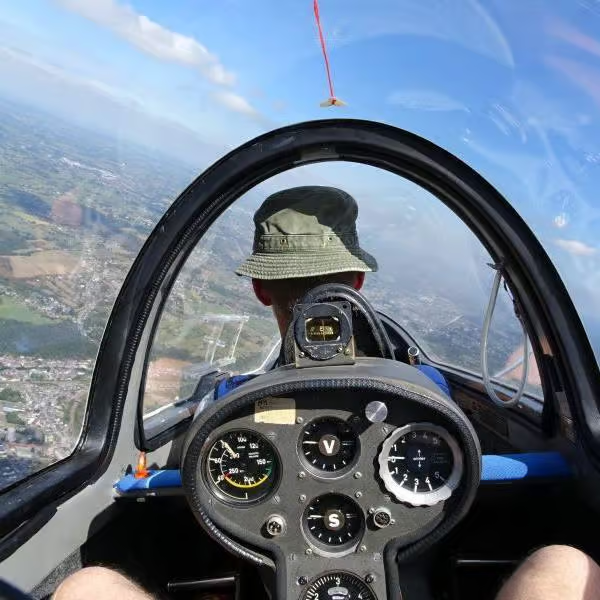


Sourcing Glider Winch Launch Training
Glider winch launch training teaches pilots how to safely operate during high-acceleration cable launches using a ground-based winch system. This form of launch training is widely used across gliding clubs due to its efficiency, lower operating costs and ability to achieve repeated launches throughout the day. Whether you are beginning glider instruction, converting from aerotow operations or developing advanced launch handling skills, this page connects pilots with providers offering structured winch launch training, launch failure instruction and operational gliding experience. Providers listed on AvPay include gliding clubs, instructors and specialist training organisations supporting safe and progressive sailplane development.
Helpful Hints when Sourcing Glider Winch Launch Training
✈ Confirm whether the provider offers dedicated winch launch conversion training or complete beginner gliding instruction, as course structures can vary between clubs and instructors.
✈ Ask how launch failure exercises are incorporated into training because realistic cable break practice is essential for safe and confident winch launch operations.
✈ Review the airfield layout and launch direction flexibility because shorter runways, crosswinds and terrain can influence operational launch safety and consistency.
✈ Ensure instructors are experienced specifically in winch launch operations rather than only aerotow instruction, particularly if progressing towards solo gliding qualifications.
✈ Check how many launches are typically achievable during a training day because efficient launch operations can significantly improve learning progression and value.
✈ Ask what glider types are used during training because handling characteristics, cockpit layout and launch performance can differ between training sailplanes.
✈ Confirm whether the club operates modern winch systems with established maintenance and inspection procedures to support reliable launch operations and safety standards.
✈ Consider local weather conditions and seasonal operating patterns because strong winds and saturated ground conditions can occasionally affect launch availability.
What to Consider when Choosing a Provider
When selecting a glider winch launch training provider, evaluate instructor experience, launch frequency, safety procedures, aircraft condition and overall operational standards. Providers with structured training programmes and consistent launch availability can often support faster progression and more effective skills retention. It is also important to review how emergency procedures, cable break handling and solo preparation are taught within the syllabus. Some clubs specialise heavily in winch launch operations and may provide stronger expertise for pilots specifically focused on this launch method. Through AvPay listings, users can contact providers directly via phone, email or WhatsApp to discuss training availability, launch operations and membership requirements. Clicking the organisation’s name also allows users to explore full company profiles and additional aviation services.
Market your Glider Winch Launch Training Services on AvPay
AvPay provides gliding clubs and aviation training organisations with a professional platform to promote their winch launch training services to a highly targeted aviation audience. Listings help providers showcase instructional experience, launch facilities, aircraft fleets and operational capabilities while generating direct enquiries from prospective students and qualified pilots seeking additional launch training. Dedicated profiles also allow organisations to present their wider gliding services clearly and improve visibility within the international aviation marketplace.
➤ List your Company and Services on AvPay
Frequently Asked Questions when Searching for Glider Winch Launch Training
✈ What is glider winch launch training?
Winch launch training teaches pilots how to safely operate during cable launches using a ground winch system that rapidly accelerates the glider into climb.
✈ Is winch launching suitable for beginner glider pilots?
Yes, many gliding clubs use winch launching for initial training because it allows efficient operations and repeated launches throughout the training day.
✈ How high does a typical winch launch reach?
Launch height depends on wind conditions, cable length, glider type and airfield layout, although launches commonly reach several hundred metres above ground level.
✈ What happens if the cable breaks during launch?
Pilots are trained to lower the nose promptly, maintain safe airspeed and conduct the correct landing procedure based on available height and position.
✈ Is winch launch training different from aerotow training?
Yes, winch launches involve higher initial acceleration, steeper climb angles and different emergency procedures compared with aerotow operations.
✈ Can experienced powered pilots learn winch launching quickly?
Many powered pilots adapt well, although the rapid acceleration and energy management techniques require specific gliding instruction and practice.
✈ Do all gliding clubs operate winch launch systems?
No, some clubs use aerotow operations exclusively while others operate both launch methods depending on infrastructure and operational requirements.
✈ Why is winch launch training popular at gliding clubs?
Winch launching is efficient, cost-effective and allows a high volume of launches without requiring tow aircraft for every glider departure.
Typical Winch Launch Sequence Explained
A winch launch uses a ground-based cable system to accelerate a glider rapidly along the launch run before climbing steeply to release height. The sequence is efficient and widely used by gliding clubs, but it demands precise checks, clear communication and disciplined handling from the pilot, launch crew and winch driver. Understanding each phase helps pilots anticipate workload, manage airspeed correctly and respond promptly if the launch does not develop as expected.
Main Stages of a Winch Launch
✈ Pre-launch preparation confirms controls are free, ballast is secure, trim is set, airbrakes are locked and the pilot understands the launch failure plan.
✈ The launch cable is attached using the correct weak link, with ground crew checking cable condition, routing, signals and the area ahead is clear.
✈ As the cable tightens, the pilot keeps the wings level, maintains directional control and confirms readiness before the winch applies full launch power.
✈ During the ground roll, the glider accelerates quickly, so the pilot must prevent wing drop, avoid over-rotation and maintain safe attitude control.
✈ Once airborne, the glider transitions into the climb, gradually establishing the correct pitch attitude while maintaining safe airspeed and cable tension.
✈ In the main climb, the pilot monitors speed, attitude and launch direction, avoiding excessive pitch changes that could reduce safety margins.
✈ Near the top of the launch, the cable tension reduces and the pilot lowers the nose slightly before releasing the cable positively and confirming separation.
✈ After release, the pilot establishes normal gliding attitude, checks airspace, assesses height and continues with the planned circuit, soaring or training exercise.
Why Sequence Discipline Matters
A safe winch launch is built on preparation, standard signals and smooth control inputs. The launch develops quickly, leaving little time for uncertainty if a cable break, wing drop or speed issue occurs. Pilots who understand the full sequence are better placed to stay ahead of the aircraft and make calm, correct decisions during every phase of the launch.