








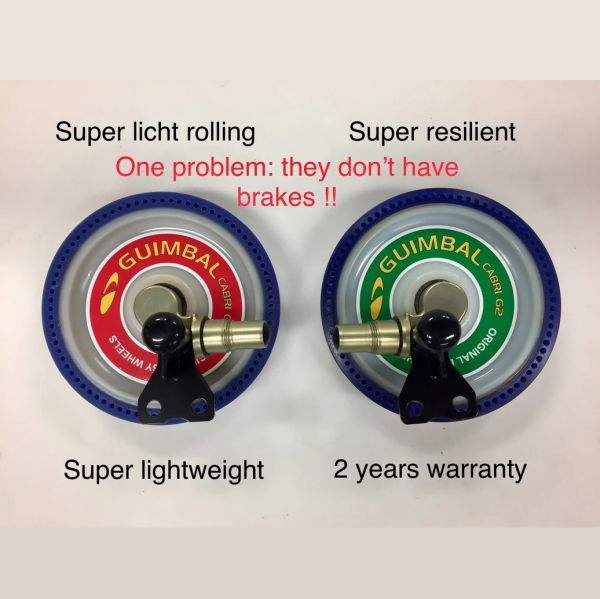
 Listed: May 18, 2023 Updated:May 18, 2023 Location: Heavy Duty, Specially made for frequent daily usage, Excellent tear and wear resistance, therefore a maximum performance for rough pavement and/or cracks in concrete, Have increased light rolling properties compared to the standard black wheels, The weight is reduced by 0.8 kg / 1.76 lbs compared with the standard black wheelset, Helicopter Easy Wheels give a two years warranty on the HD wheels. $2,250 + GST
| |||||||||||||||||||||||||||||||||||||||||||||||||||||||||||||||||||||||||||||||||||||||||||||||||||
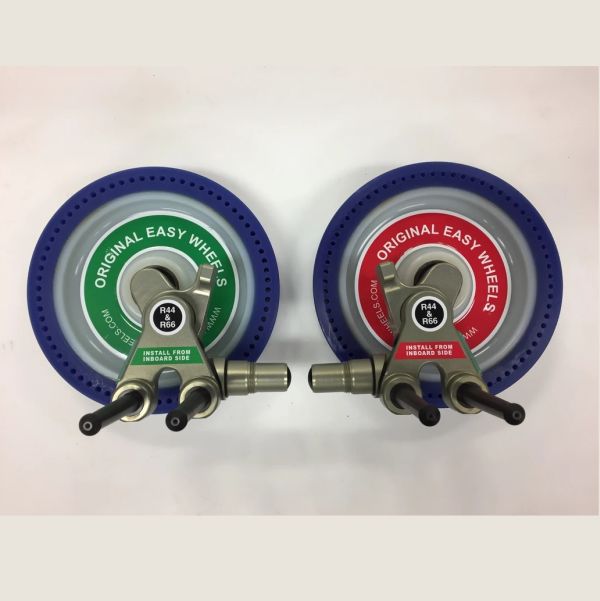 Listed: May 18, 2023 Updated:May 18, 2023 Location: Heavy Duty, Specially made for frequent daily usage, Excellent tear and wear resistance, therefore a maximum performance for rough pavement and/or cracks in concrete, Have increased light rolling properties compared to the standard black wheels, The weight is reduced by 0.8 kg / 1.76 lbs compared with the standard black wheelset, Helicopter Easy Wheels give a two years warranty on the HD wheels.
| |||||||||||||||||||||||||||||||||||||||||||||||||||||||||||||||||||||||||||||||||||||||||||||||||||
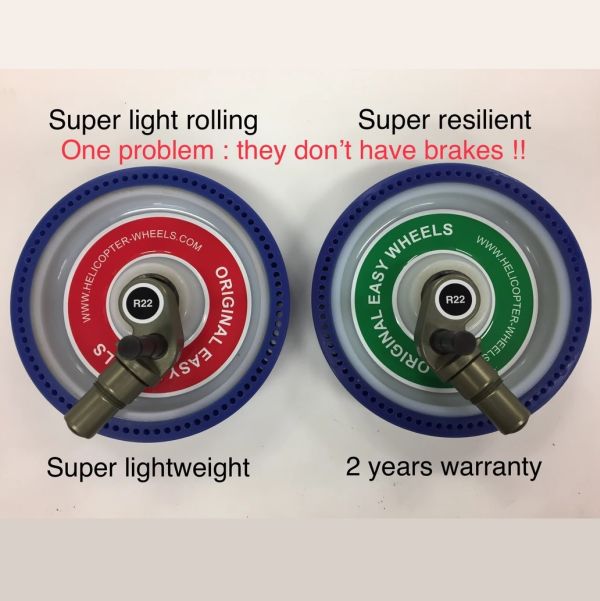 Listed: May 18, 2023 Updated:May 18, 2023 Location: Heavy Duty, Specially made for frequent daily usage, Excellent tear and wear resistance, therefore a maximum performance for rough pavement and/or cracks in concrete, Have increased light rolling properties compared to the standard black wheels, The weight is reduced by 0.8 kg / 1.76 lbs compared with the standard black wheelset, Helicopter Easy Wheels give a two years warranty on the HD wheels.
| |||||||||||||||||||||||||||||||||||||||||||||||||||||||||||||||||||||||||||||||||||||||||||||||||||

Helicopter Wheels For Sale on AvPay
AvPay has a range of Helicopter Wheels For Sale in the US, Europe, Australia, South Africa and throughout the world. Contact Helicopter Wheel Suppliers directly on AvPay to compare prices through the Aviation Directories here: https://avpay.aero/directory/
AvPay is a global aviation marketplace that lets you browse a wide selection of Helicopter Wheels. View all of our Helicoper Wheels For Sale and discover other related Helicopter Products & Services here: https://avpay.aero/marketplace/
Can’t find the Helicopter Wheels you’re looking for? Check-out the Aviation Directories to find an Aviation Company that offers the service you’re looking for: https://avpay.aero/directory/
AvPay: Connecting Helicopter Pilots with Helicopter Equipment Sellers Worldwide!
Helicopters typically do not have wheels like fixed-wing aircraft. Instead, they are equipped with landing skids or landing gear that serve different purposes. These landing skids or gear are designed to support the helicopter during takeoff, landing, and ground operations. The landing skids or gear provide stability to the helicopter while it is on the ground. They offer a wide base of support, preventing the helicopter from tipping over during startup, shutdown, and ground handling. This stability makes it easier to manoeuvre the helicopter on the ground without the risk of it toppling. Helicopters often require ground handling for various purposes, such as taxiing, repositioning on the ground, or parking. The landing skids or gear allow the helicopter to move smoothly on the ground, enabling ground crew or pilots to guide and position the helicopter as needed. The design of landing skids or gear considers different types of landing surfaces encountered during helicopter operations. They are designed to handle various terrains, including paved runways, grassy fields, helipads, and even rough or uneven surfaces. The landing skids or gear distribute the weight of the helicopter effectively, allowing it to manoeuvre over different ground conditions. Landing skids or gear often incorporate shock-absorbing mechanisms or materials to reduce the impact of landing forces and vibrations. This helps cushion the landing and mitigates the effects of rough or uneven ground surfaces, providing a smoother and more controlled landing experience. It’s worth noting that some helicopters designed for specific purposes, such as air ambulances or certain military aircraft, may have retractable or specialized landing gear that allows them to operate in various environments, including water or rough terrains. However, these features are not equivalent to traditional wheels as seen on fixed-wing aircraft and serve different purposes in helicopter operations.