








 2 2Listed: November 26, 2025 Updated:November 26, 2025 | Location: | With an ever-expanding inventory of aircraft parts, JMI can supply the components you need, precisely when you need them. Our dedicated Supply Chain Manager is on hand to support all part requirements & if an item isn’t available in stock, we’ll source it quickly through our trusted global supplier network. | |||||||||||||||||||||||||||||||||||||||||||||||||||||||||||||||||||||||||||||||||||||||||||||||||
 Listed: May 29, 2025 Updated:May 29, 2025 | Location: Category: | KSNL Aero has been a supplier that pilots around the world have trusted & depended on for years. In our brand new 29,000 sq.-ft. hangar, we have the ability to provide over 3 million aircraft parts from avionics to airframes & everything in between. Need a part? We’ve got it! Aside from providing you with the parts that you need, our specially trained aircraft mechanics can install the parts on your plane at a low cost. Just send us a message & someone will reach out to you within 24 hours. | |||||||||||||||||||||||||||||||||||||||||||||||||||||||||||||||||||||||||||||||||||||||||||||||||
 16 16Listed: February 28, 2025 Updated:February 28, 2025 | Location: | At Aeromni we offer new, used, serviceable, serviceable, overhauled, repaired or new surplus parts & components for rental/exchange or outright. All parts accompany traceability, or FAA 8130, Transport Canada /Form 1 EASA certificates.We offer discounts for large purchases & since we repair/overhaul almost everything in-house we can offer the best price. | |||||||||||||||||||||||||||||||||||||||||||||||||||||||||||||||||||||||||||||||||||||||||||||||||
 3 3Listed: August 9, 2024 Updated:August 9, 2024 | Location: | Eagle Aviation has one of the most complete, extensive inventory of Cessna & Cirrus parts in the United States. Since 1967 we have been serving all your general aviation needs. We stock more than $1,000,000 in parts for a wide variety of aircraft. With this inventory we not only support our Maintenance Department with faster service, but we also make our extensive inventory available to aircraft owners & other FBO’s across the country. | |||||||||||||||||||||||||||||||||||||||||||||||||||||||||||||||||||||||||||||||||||||||||||||||||
 6 6Listed: November 3, 2023 Updated:November 3, 2023 | The interdisciplinary know-how of our employees is the basis for the extensive scope of work our EASA approval covers. Since all the production & manufacturing of sub & secondary components are accomplished in-house, the customer benefits from the efficiency of having all parts produced under one roof. | ||||||||||||||||||||||||||||||||||||||||||||||||||||||||||||||||||||||||||||||||||||||||||||||||||
 Listed: February 15, 2023 Updated:February 15, 2023 | Gestair MRO is the unit specialized in aeronautical maintenance of private & commercial aircraft, with the biggest aeronautical Maintenance Centre in Southern Europe, providing global coverage. Its areas of specialisation include base maintenance, hangarage, components sales & our avionics shop. Our team is made up of experienced engineers & maintenance technicians who adhere rigorously to the manufacturer standards to ensure the highest levels of quality, safety & maintenance performance for each aircraft serviced. | ||||||||||||||||||||||||||||||||||||||||||||||||||||||||||||||||||||||||||||||||||||||||||||||||||
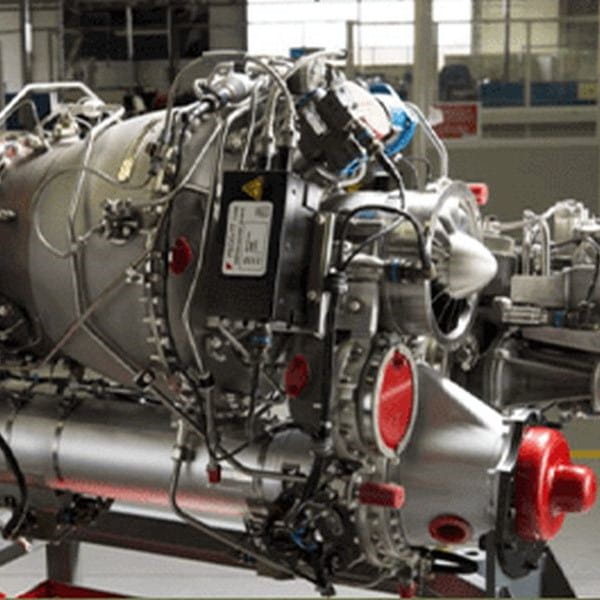 Listed: November 2, 2022 Updated:May 10, 2023 | Location: Category: | At our Pacific AirHub Parts Division, we offer a wide spectrum of helicopter parts to the general aviation community. Should we not have a part, we can source hard-to-find used aircraft parts for you. We are constantly buying & selling helicopter parts globally, which increases our inventory & makes it easier for you to find the part you are looking for. | |||||||||||||||||||||||||||||||||||||||||||||||||||||||||||||||||||||||||||||||||||||||||||||||||





Sourcing Aircraft Parts
Sourcing aircraft parts through AvPay connects aviation professionals with trusted suppliers offering a wide range of components, from consumables and rotables to specialised flight equipment and accessories. Whether you are maintaining a fleet, managing AOG situations or planning scheduled maintenance, this marketplace ensures you are in the right place to find compliant, traceable and readily available aircraft parts from reputable providers worldwide.
Helpful Hints when Sourcing Aircraft Parts
✈ Always confirm part numbers against the aircraft IPC or AMM to avoid ordering incorrect components that could delay maintenance or create compliance issues.
✈ Check for full traceability including EASA Form 1 or FAA 8130 certification to ensure the part meets regulatory airworthiness standards.
✈ Assess stock availability and location to minimise downtime, especially when dealing with AOG requirements where lead time is critical.
✈ Clarify whether the part is new, overhauled or serviceable and ensure it aligns with your maintenance programme and budget constraints.
✈ Request clear warranty terms and return policies before purchase, particularly for high-value components or time-limited parts.
✈ Evaluate supplier reputation by reviewing their experience, certifications and previous customer interactions within the aviation sector.
✈ Consider logistics support such as export documentation and shipping capabilities to avoid delays in international transactions.
✈ Ensure compatibility with your aircraft configuration, as modifications or STCs may impact whether a part is suitable for installation.
What to Consider when Choosing a Provider
When selecting a provider for aircraft parts, focus on their certification standards, inventory depth and ability to support urgent operational requirements such as AOG situations. Reliable suppliers should offer full trace documentation, transparent condition reporting and efficient turnaround times. It is also worth considering their global logistics capabilities and responsiveness to enquiries. On AvPay, you can contact providers directly via phone, email or WhatsApp through their listings, and by clicking the organisation’s name you can explore their full profile, services and capabilities before making a decision.
Market your Aircraft Parts Services on AvPay
Listing your aircraft parts services on AvPay gives your business direct exposure to a global audience of aviation buyers actively searching for components, equipment and support services. The platform makes it straightforward to showcase your inventory, highlight certifications and generate high-quality enquiries from operators, MROs and procurement teams. With a dedicated profile and marketplace presence, you can strengthen credibility and improve visibility within the aviation supply chain.
➤ List your Company and Services on AvPay
Frequently Asked Questions when Searching for Aircraft Parts
✈ How do I verify the authenticity of an aircraft part?
Check for authorised release certificates such as EASA Form 1 or FAA 8130 and confirm traceability back to an approved source.
✈ What is the difference between rotable and consumable parts?
Rotable parts can be repaired and reused after removal, while consumables are typically used once and replaced during maintenance.
✈ Can I source parts for older or out of production aircraft?
Yes, many suppliers specialise in legacy aircraft support, though availability may be limited and lead times longer.
✈ What should I do in an AOG situation?
Prioritise suppliers with immediate stock and rapid logistics support to minimise aircraft downtime and operational disruption.
✈ Are all listed parts compliant with aviation regulations?
Reputable suppliers provide certified parts, but it remains your responsibility to verify documentation and compliance before installation.
✈ How quickly can aircraft parts be delivered?
Delivery times vary based on location and availability, though many providers offer expedited shipping for urgent requirements.
✈ Is it safe to purchase overhauled or serviceable parts?
Yes, provided they come with proper certification and meet the required standards for your aircraft and authority regulations.
✈ Can I contact suppliers directly through AvPay?
Yes, each listing allows you to reach out via phone, email or WhatsApp for quick and direct communication.
New vs Overhauled vs Serviceable Aircraft Parts Explained
Understanding the difference between new, overhauled and serviceable aircraft parts is essential for effective maintenance planning, cost control and regulatory compliance. Each category has distinct certification requirements, lifecycle implications and operational use cases, so selecting the right option depends on your aircraft, maintenance schedule and budget constraints.
Key Differences and Practical Considerations
✈ New parts are unused components supplied directly from the manufacturer or authorised distributor, offering full life limits and maximum reliability, often preferred for critical systems or long-term fleet planning.
✈ Overhauled parts have been disassembled, inspected, repaired and tested in accordance with approved data, then returned to service with zero time since overhaul, making them a cost-effective alternative to new.
✈ Serviceable parts are removed components that have been inspected and deemed fit for use without full overhaul, typically accompanied by certification but with remaining operational life already consumed.
✈ Certification is key, new parts usually come with manufacturer release documentation, while overhauled and serviceable parts require EASA Form 1 or FAA 8130 to confirm airworthiness status.
✈ Cost considerations vary significantly, new parts command the highest price, overhauled parts balance cost and reliability, while serviceable parts are the most economical but may carry higher lifecycle risk.
✈ Lead times can influence decisions, new parts may involve longer production delays, whereas overhauled and serviceable units are often available immediately from stock.
✈ Component criticality should guide selection, operators often choose new or freshly overhauled parts for safety-critical systems, while serviceable parts may be acceptable for non-critical applications.
✈ Maintenance programme alignment is essential, ensure the chosen part type complies with your approved maintenance schedule, MEL considerations and any applicable airworthiness directives.