


Variable Pitch Prop Training










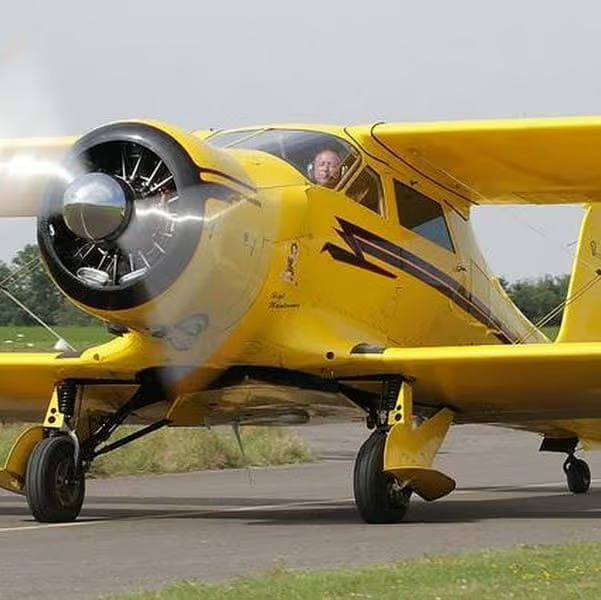
Sourcing Variable Pitch Prop Training
Variable Pitch Prop Training helps pilots transition from fixed pitch aircraft into more advanced piston aircraft fitted with controllable pitch propellers. This type of training focuses on propeller operation power management engine efficiency performance optimisation and the correct handling of manifold pressure and RPM settings during different phases of flight. Pilots searching for Variable Pitch Prop Training on AvPay can explore flight schools instructors and aviation training providers offering practical airborne instruction and ground school support designed to improve aircraft handling operational confidence and engine management skills while meeting insurance checkout or aircraft conversion requirements.
Helpful Hints when Sourcing Variable Pitch Prop Training
✈ Choose a training provider operating the same aircraft type or engine configuration you expect to fly regularly after completing your training.
✈ Make sure the course includes practical instruction on manifold pressure and RPM management because this is a common challenge for pilots transitioning from fixed pitch aircraft.
✈ Ask whether the training covers emergency propeller procedures including overspeed situations governor failures and feathering systems where applicable.
✈ Pilots returning to flying after a long break should consider combining variable pitch prop training with a broader refresher training programme.
✈ Confirm whether your insurer requires a minimum number of dual instruction hours before operating a variable pitch aircraft independently.
✈ Training in high performance piston aircraft can involve faster workloads so ensure the provider includes cockpit management and planning techniques.
✈ Weather delays can affect aircraft availability so ask providers about scheduling flexibility and realistic course completion timelines before booking.
✈ Review whether engine management topics include leaning procedures fuel flow monitoring and temperature limitations to help reduce long-term engine wear.
What to Consider when Choosing a Provider
When selecting a provider for Variable Pitch Prop Training it is important to assess instructor experience aircraft availability and the depth of engine management training included within the course. Some schools focus purely on operational familiarisation while others provide a more advanced understanding of piston engine performance fuel efficiency and aircraft systems management. Pilots should also consider aircraft type relevance scheduling flexibility and whether the provider can support insurance signoffs or aircraft checkout requirements. Providers listed on AvPay can be contacted directly by phone email or WhatsApp and users can click the organisation’s name to explore their wider flight training services aircraft fleet and operational experience.
Market your Variable Pitch Prop Training Services on AvPay
AvPay helps flight schools instructors and aviation training organisations promote Variable Pitch Prop Training to pilots actively searching for aircraft conversions advanced piston training and high performance aircraft familiarisation. By listing your services on AvPay your organisation can improve visibility across the aviation community while showcasing your aircraft fleet instructor expertise and available training programmes to pilots worldwide. Listings also make it easy for prospective students to contact your organisation directly and enquire about availability aircraft types and training requirements.
➤ List your Company and Services on AvPay
Frequently Asked Questions when Searching for Variable Pitch Prop Training
✈ What is Variable Pitch Prop Training?
It is flight training designed to teach pilots how to safely operate aircraft fitted with controllable pitch propeller systems.
✈ Why is variable pitch propeller training important?
It improves engine management skills aircraft performance understanding and operational safety in more advanced piston aircraft.
✈ Do I need formal signoff to fly a variable pitch aircraft?
Requirements vary by country aircraft type and insurer although structured dual instruction is strongly recommended.
✈ What topics are usually covered during training?
Typical subjects include RPM management manifold pressure propeller control emergency procedures and engine performance techniques.
✈ How long does variable pitch prop training usually take?
Many pilots complete the training within several flight hours although experience level and aircraft complexity can affect duration.
✈ Can the training help reduce engine wear?
Yes, proper engine and propeller management techniques can improve efficiency and reduce unnecessary stress on engine components.
✈ Is the training suitable for pilots moving into complex aircraft?
Yes, it is commonly completed before transitioning into retractable gear and higher performance piston aircraft.
✈ Will insurers recognise this training?
Many insurers value formal conversion and familiarisation training particularly for pilots moving into unfamiliar aircraft types.