


Skydiving Suits

















Sourcing Skydiving Suits
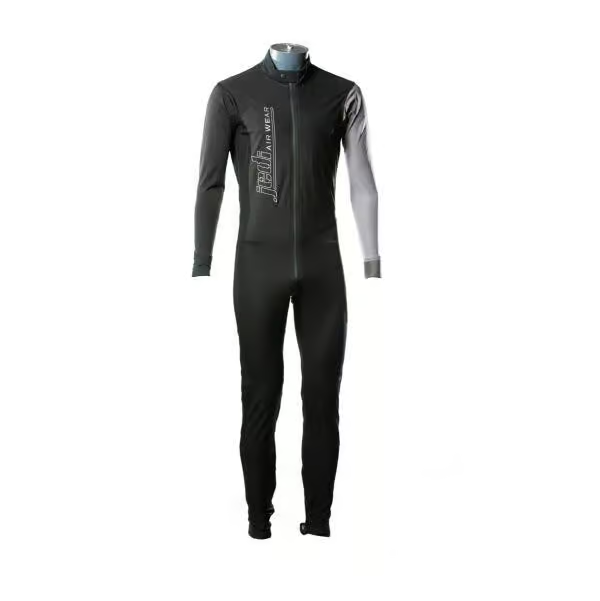
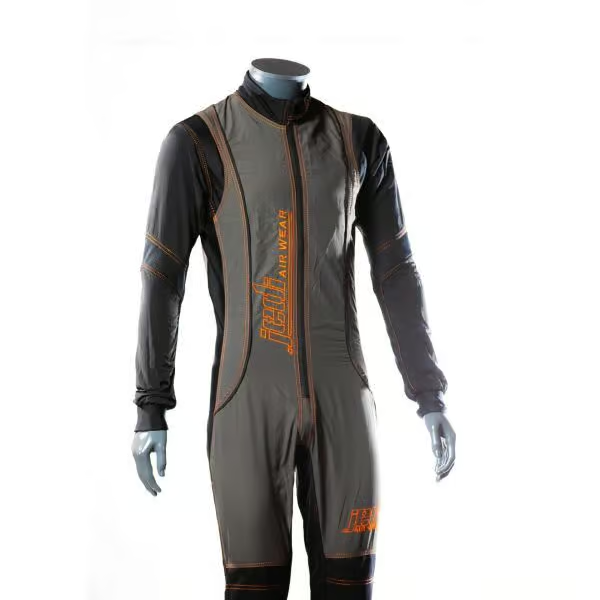
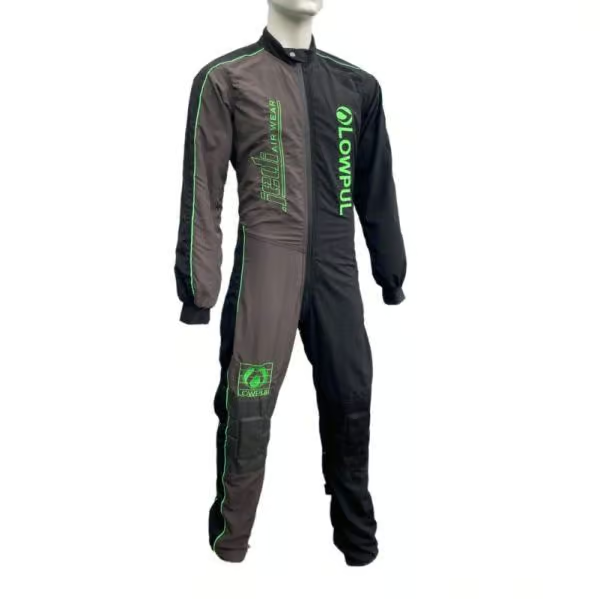
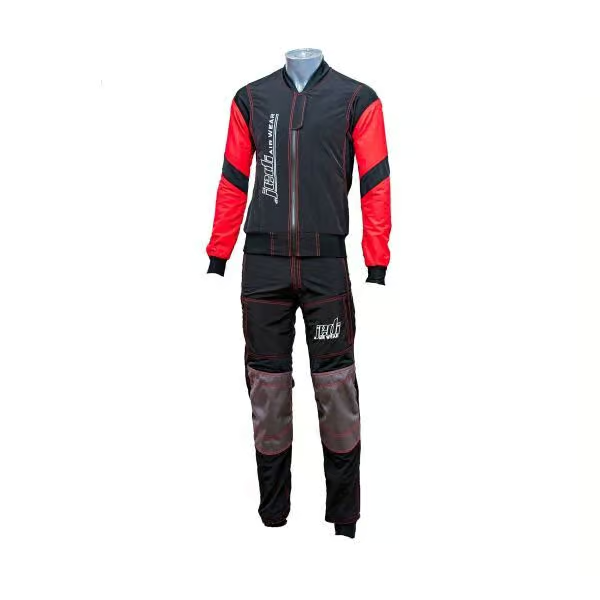
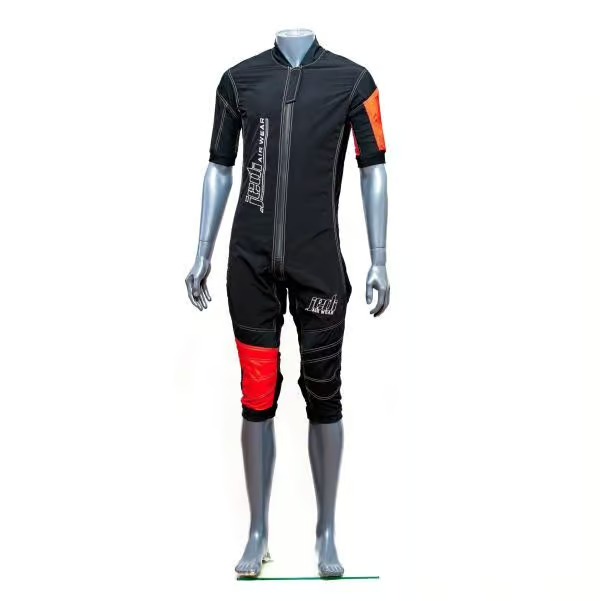
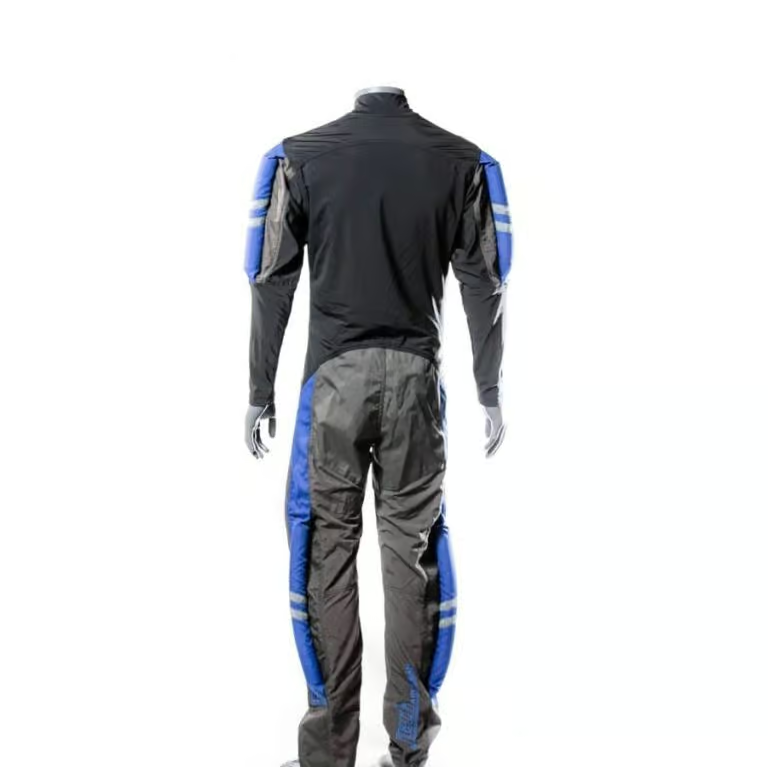
Whether you are searching for freefly suits, formation skydiving jumpsuits, tunnel suits or fully customised competition apparel, AvPay connects skydivers, instructors, drop zones and aviation training organisations with specialist skydiving suit suppliers worldwide. The providers listed on this page offer operational skydiving suits designed for performance, durability and aerodynamic control across a wide range of disciplines including RW, freefly, canopy piloting and indoor wind tunnel training. Buyers can compare manufacturers offering bespoke sizing, reinforced construction, drag customisation and branded team apparel suited to both recreational and professional skydiving operations.
Helpful Hints when Sourcing Skydiving Suits
✈ Select a skydiving suit designed specifically for your primary discipline, as freefly, formation and tunnel suits all use different drag characteristics and fit profiles.
✈ Always provide accurate body measurements when ordering custom jumpsuits, as poor sizing can negatively affect stability, fall rate and movement during freefall.
✈ Ask suppliers about fabric options and reinforcement areas, particularly if your suit will see frequent tunnel use or repeated aircraft and packing wear.
✈ Review zip quality, cuff security and handle clearance carefully to ensure your skydiving suit does not interfere with emergency procedures or harness operation.
✈ Consider weather conditions and operating environments when choosing fabric weights, especially if regularly jumping in colder climates or high-altitude locations.
✈ If ordering a competition suit, discuss drag configuration and fall rate requirements with the manufacturer to ensure the suit matches your flying style.
✈ Confirm manufacturing lead times before peak jumping seasons or competitions, as custom skydiving suits often require several weeks for production and fitting.
✈ For team or drop zone apparel orders, check whether suppliers can maintain consistent colours, logos and sizing standards across repeat production batches.
What to Consider when Choosing a Provider
When comparing skydiving suit providers, focus on manufacturing quality, experience within your discipline and the supplier’s ability to deliver accurate customisation. Skydiving suits directly affect aerodynamic performance, comfort and operational safety, so it is important to assess fabric durability, drag options, reinforcement quality and sizing support before placing an order. Buyers should also consider production lead times, international shipping capabilities and whether the supplier supports bespoke branding or competition requirements. On AvPay, users can contact suppliers directly via phone, email or WhatsApp through their listings, and you can also click the organisation’s name to explore their full business profile along with additional aviation products and services.
Market your Skydiving Suit Services on AvPay
AvPay provides skydiving suit manufacturers and suppliers with direct visibility to a global aviation audience actively searching for specialist skydiving apparel and custom jumpsuit solutions. Listing on AvPay allows your business to showcase discipline-specific suits, bespoke manufacturing capabilities and branded team apparel within a dedicated aviation marketplace trusted by aviation professionals and operators. Suppliers can display detailed product imagery, technical information and direct contact options, helping generate targeted enquiries from skydivers, instructors, drop zones and tunnel operators worldwide.
➤ List your Company and Services on AvPay
Frequently Asked Questions when Searching for Skydiving Suits
✈ What types of skydiving suits are available?
Common skydiving suit types include freefly suits, RW jumpsuits, tunnel suits, camera flying suits and competition-specific skydiving apparel.
✈ Can skydiving suits be fully customised?
Many skydiving suit manufacturers offer custom sizing, drag adjustments, embroidered branding and personalised colour configurations.
✈ How important is fit when buying a skydiving suit?
Correct fit is essential as suit sizing directly affects drag, stability, mobility and freefall performance across different skydiving disciplines.
✈ What materials are commonly used in skydiving suits?
Skydiving suits often use nylon, spandex, polycotton and reinforced wear panels to balance flexibility, durability and aerodynamic performance.
✈ Are tunnel suits suitable for outdoor skydiving?
Some tunnel suits can be used outdoors, although dedicated freefly or RW suits may offer better durability and drag performance for aircraft jumps.
✈ How long does it take to receive a custom skydiving suit?
Production timelines vary by manufacturer and season, although custom suits commonly require several weeks for manufacture and delivery.
✈ Can drop zones order branded skydiving suits for instructors?
Yes, many suppliers support branded instructor suits, team apparel and bulk orders for skydiving schools, clubs and tunnel facilities.
✈ Do skydiving suit suppliers ship internationally?
Many providers offer worldwide shipping options, although import duties, customs requirements and transit times will vary by destination.
Tunnel Flying vs Outdoor Skydiving Suits
Tunnel flying and outdoor skydiving place different demands on a suit, even when the body flying skills look similar. Indoor wind tunnels involve sustained airflow, repeated training blocks and close coaching environments, while aircraft skydiving adds altitude, temperature changes, exit movement, deployment procedures and canopy flight. Choosing the right suit helps manage drag, mobility, comfort and equipment compatibility across each environment.
Key Differences to Consider
✈ Tunnel suits are usually lighter and more flexible, allowing precise body movement during long coaching sessions where unrestricted mobility matters more than rugged outdoor durability.
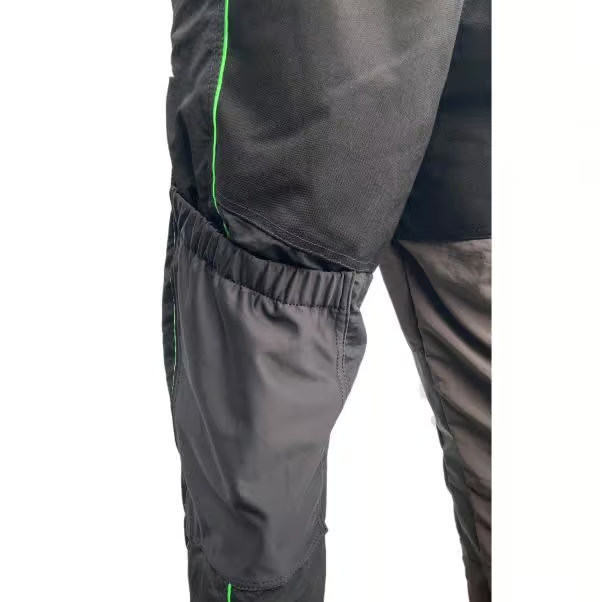
✈ Outdoor skydiving suits often need stronger reinforcement around knees, seat panels, cuffs and high-wear areas due to aircraft boarding, packing areas and landing environments.
✈ Wind tunnel clothing is built for consistent airflow, while outdoor skydiving suits must perform across changing speeds, exits, freefall positions and real deployment workflows.
✈ Outdoor suits should be checked for handle clearance, secure cuffs and low-snag construction, as the suit must not interfere with harness, risers or emergency procedures.
✈ Tunnel suits can run warmer during repeated sessions, so breathable stretch fabrics and moisture control are useful for comfort and consistent performance.
✈ Aircraft skydiving suits may need heavier fabric options or thermal layering, particularly for colder drop zones, higher exit altitudes and longer days on the flight line.
✈ A suit that feels ideal in the tunnel may be too delicate for frequent outdoor use, especially if it lacks abrasion resistance or secure closures for operational skydiving.
✈ Hybrid suits can work well for jumpers moving between tunnel and DZ training, provided the fit, fabric weight and safety features suit both environments properly.
Choosing the Right Suit for Your Flying
For dedicated tunnel training, prioritise flexibility, close fit, breathable fabric and clean airflow over heavy reinforcement. For outdoor skydiving, focus on durability, aerodynamic control, harness compatibility and secure construction. Many serious flyers own separate suits for tunnel and aircraft use, but a well-designed hybrid suit can be a practical choice for newer jumpers, instructors and coaching programmes that move regularly between both settings.