


Skylaunch









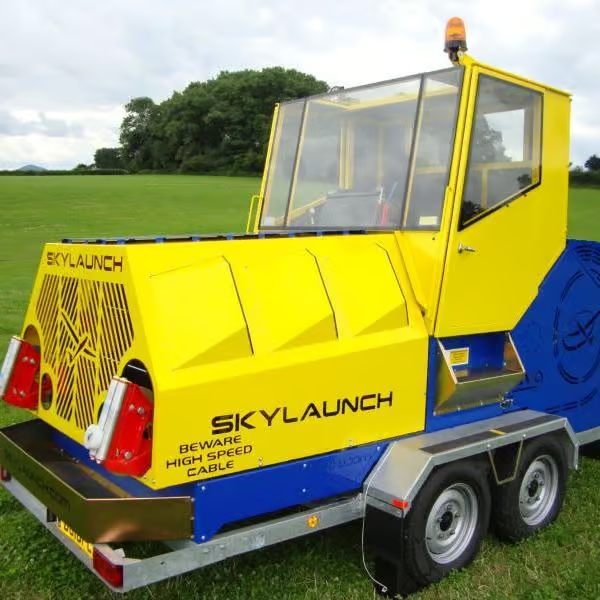
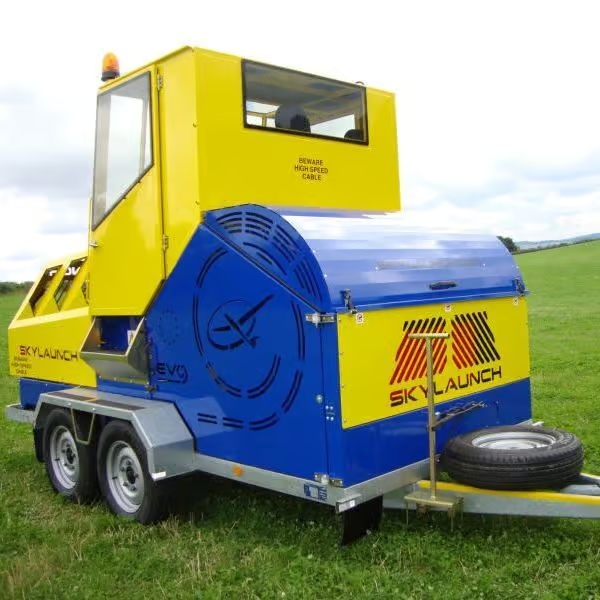


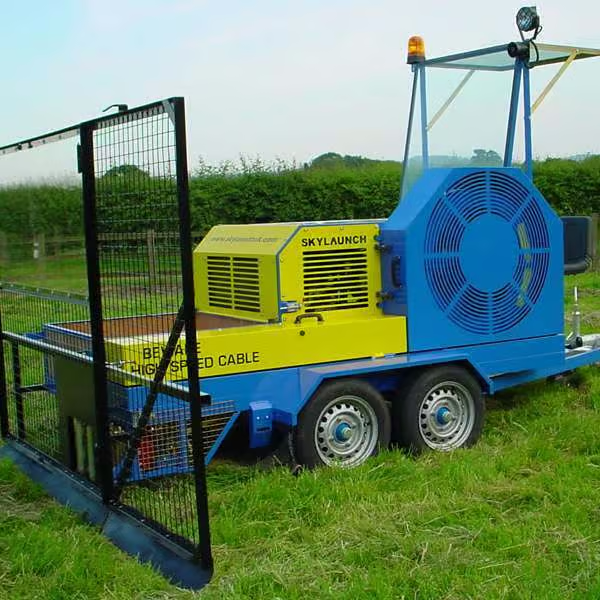
Sourcing Skylaunch Glider Winches
If you are searching for Skylaunch glider winches and launch systems, AvPay connects gliding clubs, soaring schools and aviation operators with suppliers offering specialist winch launch equipment designed for efficient sailplane operations. The listings on this page feature Skylaunch winch systems and related gliding launch infrastructure suited to high-frequency training environments, club operations and advanced soaring facilities. Buyers can compare launch capabilities, operational configurations and support services from suppliers experienced in glider launch technology, aviation ground systems and soaring operations.
Helpful Hints when Sourcing Skylaunch Glider Winches
✈ Review launch performance specifications carefully to ensure the Skylaunch system suits your runway length, sailplane fleet and expected operational workload.
✈ Assess power output and launch consistency closely, particularly if the winch will support intensive student training or high-frequency weekend operations.
✈ Check cable drum configuration and retrieval systems before purchase to ensure compatibility with your club’s launch procedures and ground operations.
✈ Consider maintenance access and spare parts support carefully, as reliable servicing is essential for consistent gliding launch availability.
✈ Ask suppliers whether operator training and technical familiarisation are included, especially when transitioning from older or manual launch systems.
✈ Confirm braking systems and launch control technology meet current operational standards and provide smooth acceleration throughout the launch sequence.
✈ Evaluate transport and positioning flexibility if the winch needs relocating regularly due to changing runway direction or seasonal launch operations.
✈ If sourcing a pre-owned Skylaunch system, request operational records and maintenance history to assess long-term reliability and component condition.
What to Consider when Choosing a Provider
When selecting a supplier for Skylaunch glider winches, focus on operational support, launch system reliability and the provider’s understanding of gliding operations. Buyers should assess launch performance, servicing requirements, cable systems and long-term maintenance support before making a purchasing decision. It is also important to consider spare parts access, operator training and technical response times, particularly for clubs operating intensive launch schedules during peak soaring seasons. On AvPay, users can contact suppliers directly via phone, email or WhatsApp through their listings, and you can also click the organisation’s name to view their complete company profile and additional aviation equipment or operational services.
Market your Skylaunch Services on AvPay
AvPay helps suppliers of Skylaunch glider winches and aviation launch systems connect with a global audience of gliding clubs, soaring centres and aviation operators actively searching for reliable launch infrastructure. Listing your products on AvPay allows your business to showcase glider winches, technical specifications and operational expertise within a dedicated aviation marketplace trusted by aviation professionals worldwide. Suppliers can display equipment imagery, maintenance support information and direct contact methods, helping generate targeted enquiries from serious aviation buyers and soaring organisations.
➤ List your Company and Services on AvPay
Frequently Asked Questions when Searching for Skylaunch Glider Winches
✈ What are Skylaunch glider winches used for?
Skylaunch winches are used for launching sailplanes using controlled ground-based cable launch systems during gliding operations.
✈ Are Skylaunch systems suitable for training operations?
Yes, Skylaunch winches are commonly used by gliding clubs and soaring schools supporting frequent instructional and solo launch activity.
✈ What factors affect glider winch launch performance?
Runway length, wind conditions, sailplane weight, power output and cable condition all influence launch height and consistency.
✈ Can Skylaunch systems support different sailplane types?
Many launch systems can support a variety of sailplanes, although operational setup must suit the aircraft being launched.
✈ Do Skylaunch winches require specialist maintenance?
Yes, routine servicing, cable inspections and braking system checks are essential for safe and reliable launch operations.
✈ Are refurbished Skylaunch winches available?
Some suppliers may offer refurbished or pre-owned systems, although maintenance records and operational history should always be reviewed carefully.
✈ Can suppliers provide operator training for Skylaunch systems?
Many suppliers support commissioning, operator familiarisation and technical training for gliding club launch crews.
✈ Do Skylaunch suppliers ship internationally?
Many aviation equipment suppliers can arrange international delivery and installation support depending on operational requirements.
Factors Affecting Glider Launch Height and Performance
Glider launch height and overall launch performance depend on far more than just winch power or tow aircraft capability. Weather conditions, runway length, sailplane weight, launch technique and equipment condition all influence how efficiently a glider climbs during launch. Understanding these factors helps gliding clubs, launch crews and pilots improve operational consistency, increase safety margins and achieve more effective soaring opportunities from every launch.
Key Factors Influencing Launch Performance
✈ Strong headwinds generally improve launch height by increasing airflow over the wings earlier, allowing the sailplane to climb more efficiently during launch.
✈ Higher aircraft weight can reduce climb performance and launch height, particularly during warm weather operations or lower-powered winch launches.
✈ Runway length directly affects available acceleration distance, making longer launch areas beneficial for improved climb profiles and operational flexibility.
✈ Cable condition and drum performance play a major role in winch launching, as worn or poorly maintained systems can reduce launch consistency significantly.
✈ Pilot technique during the initial climb phase affects launch efficiency, especially when managing pitch attitude and maintaining proper airspeed control.
✈ High ambient temperatures and reduced air density can lower launch performance by decreasing engine efficiency and aerodynamic lift generation.
✈ Crosswind conditions may affect directional stability and climb profile during launch, requiring careful operational judgement from launch crews and pilots.
✈ Regular maintenance of launch systems, tow aircraft and sailplanes helps maintain reliable launch performance and reduces avoidable operational limitations.
Improving Operational Consistency
Consistent launch performance comes from disciplined operations, well-maintained equipment and good decision-making before every launch. Clubs that monitor cable condition, review weather carefully and maintain strong launch crew coordination often achieve safer and more predictable launch operations. Even small operational improvements can make a noticeable difference to launch height, climb stability and overall soaring efficiency across a full flying day.