


Aircraft Parking
















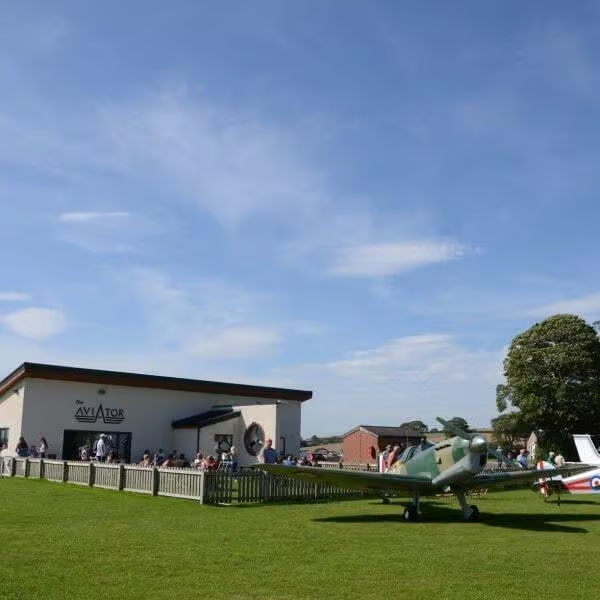


Sourcing Aircraft Parking
Aircraft Parking services support the safe positioning and temporary storage of aircraft at airports, airfields and fixed base operator facilities worldwide. Whether you are arranging overnight parking for a business jet, long-term apron storage for a private aircraft, parking during maintenance activity or short-term handling support during passenger operations, AvPay connects users with aviation providers offering secure and professionally managed aircraft parking solutions. Listings within this section may include apron parking, remote stands, secure business aviation parking, helicopter parking and operational support services tailored to general aviation, charter, airline and specialist aviation operations.
Helpful Hints when Sourcing Aircraft Parking
✈ Confirm the parking area can safely accommodate your aircraft dimensions, particularly for larger business jets, helicopters or aircraft with wider wingspans.
✈ Check whether parking availability changes during major aviation events or peak operational periods, as airport space may become limited quickly.
✈ Review airport operating hours carefully, especially where aircraft repositioning or after-hours access may require prior operational coordination.
✈ Ask whether tie-down equipment, chocks and aircraft securing procedures are included as part of the parking arrangement at the facility.
✈ Consider providers offering integrated handling and fuelling support, helping reduce operational delays during arrivals departures and overnight stays.
✈ Verify the security arrangements protecting parked aircraft, including controlled ramp access, CCTV monitoring and overnight operational supervision.
✈ Check whether long-term parking includes aircraft preservation support such as battery charging, tyre maintenance and environmental protection procedures.
✈ Review weather exposure risks carefully where outdoor apron parking is involved, particularly during winter operations or extended aircraft storage periods.
What to Consider when Choosing a Provider
When selecting an Aircraft Parking provider, focus on operational security, airport accessibility, parking suitability and the provider’s ability to support your specific aircraft and operational requirements. Some airports specialise in business aviation parking while others support larger commercial aircraft or helicopter operations. Parking location, turnaround access, towing capability, apron congestion and weather protection may all influence suitability depending on the operation. It is also worth reviewing whether providers can support additional services such as hangarage, handling, fuelling and maintenance coordination during the aircraft stay. Through AvPay, users can contact providers directly via phone, email or WhatsApp from the listing page and can click the organisation’s name to view their full profile, operational facilities and additional aviation services.
Market your Aircraft Parking Services on AvPay
AvPay helps aircraft parking providers promote their airport facilities directly to pilots, aircraft owners, charter operators, airlines and aviation professionals actively searching for secure aircraft accommodation worldwide. Providers can showcase apron parking, business aviation support, long-term storage options, operational handling coordination and specialist airport facilities through dedicated aviation business listings tailored specifically to industry users. AvPay offers targeted visibility within the aviation marketplace while helping aircraft parking providers generate direct operational enquiries from highly relevant aviation audiences.
➤ List your Company and Services on AvPay
Frequently Asked Questions when Searching for Aircraft Parking
✈ What types of Aircraft Parking are available?
Aircraft parking options may include apron parking, remote stands, business aviation parking and long-term outdoor storage facilities.
✈ Can Aircraft Parking be arranged for overnight stays?
Yes, many airports and handling providers support overnight and multi-day aircraft parking arrangements depending on availability.
✈ Do parking providers support large business jets and commercial aircraft?
Some facilities support larger aircraft categories, although stand size and airport infrastructure vary between locations.
✈ Is aircraft security included within parking services?
Professional providers often include ramp security measures such as CCTV coverage, controlled access points and operational supervision.
✈ Can fuelling and handling be coordinated alongside parking?
Yes, many providers offer integrated handling, refuelling and passenger support services alongside aircraft parking arrangements.
✈ Does weather affect outdoor aircraft parking?
Yes, prolonged exposure to wind, rain, snow and UV conditions can influence aircraft protection and maintenance requirements.
✈ Can helicopter parking be arranged through airport providers?
Many airports and aviation facilities support helicopter parking depending on local operational procedures and apron availability.
✈ How do I contact Aircraft Parking providers through AvPay?
Users can contact providers directly through phone, email or WhatsApp links available within the provider listings.
Long-Term Aircraft Parking Considerations
Long-term aircraft parking requires far more planning than simply securing an empty stand on an apron. Whether an aircraft is parked for seasonal downtime, maintenance scheduling, operational delays or storage before sale, operators must consider environmental exposure, maintenance preservation procedures, airport security and ongoing operational access. Poor long-term parking preparation can lead to corrosion, flat-spotted tyres, battery degradation, fluid contamination and expensive maintenance findings once the aircraft returns to service. Professional aviation parking providers and handling agents play a major role in helping operators protect aircraft value, maintain regulatory compliance and minimise operational disruption during extended parking periods.
Key Operational Considerations
✈ Aircraft parked outdoors for extended periods should be protected using approved covers, engine blanks and moisture prevention procedures to reduce weather-related deterioration.
✈ Long-term parking arrangements should include regular aircraft inspections, tyre pressure monitoring and battery maintenance to avoid unnecessary technical issues.
✈ Operators should confirm whether the parking provider can support towing, repositioning and maintenance access without causing operational delays.
✈ Airports with strong security infrastructure including CCTV coverage and controlled airside access provide additional protection for parked aircraft.
✈ Aircraft parked for several weeks or months may require preservation procedures in accordance with manufacturer maintenance documentation and operator policies.
✈ Environmental conditions such as coastal salt exposure, heavy rainfall and snow accumulation can significantly affect long-term aircraft storage requirements.
✈ Fuel system management is important during long-term parking, particularly where condensation risks and fuel contamination may develop over time.
✈ Operators should review airport parking contracts carefully to understand access restrictions, insurance responsibilities and movement notice requirements.
Reducing Risk During Extended Aircraft Parking
Aircraft left parked for extended periods remain exposed to operational, environmental and security risks even when not flying. Many operators reduce these risks through structured preservation programmes supported by maintenance providers and ground handling teams. This may include scheduled engine runs, hydraulic system checks, cabin ventilation management and corrosion inspections. Choosing a provider experienced in long-term aircraft parking can help protect aircraft condition while ensuring the aircraft remains ready for maintenance activity, sale preparation or return-to-service operations when required.