Sell Your Aircraft - Buyers Waiting - Get It Listed Today!
Showing 1 – 3 of 3 results Showing all 3 results Showing the single result No results found
Centreline - Aircraft Chater Management
AvioLights - Manufacturer of aviation LED lighting systems
Airpart - Aircraft Parts Supplier - UK & EU Warehouses
JMI - Jet Maintenance International
AOM Digital Marketing Agency
MORE - Maintain safety while extending PT6A engine service life to 8000 hours TBO
Aerotion Aviation - Pilot Headsets
Pula - Turnkey Aircraft Solutions
Pula - Aircraft Sales | Aircraft Acquisitions & Brokerage Services
ASG - Cessna & Beechcraft Piston Authorised Service Facility
ASG - Cirrus Authorised Service Facility
ASG - Avionics repairs, upgrades and complete glass cockpit
ASG - Offering Maintenance across all series of Kind Air
Sort by Date Added
Showing 1 – 3 of 3 results Showing all 3 results Showing the single result No results found
Filters Sort results
Reset Apply
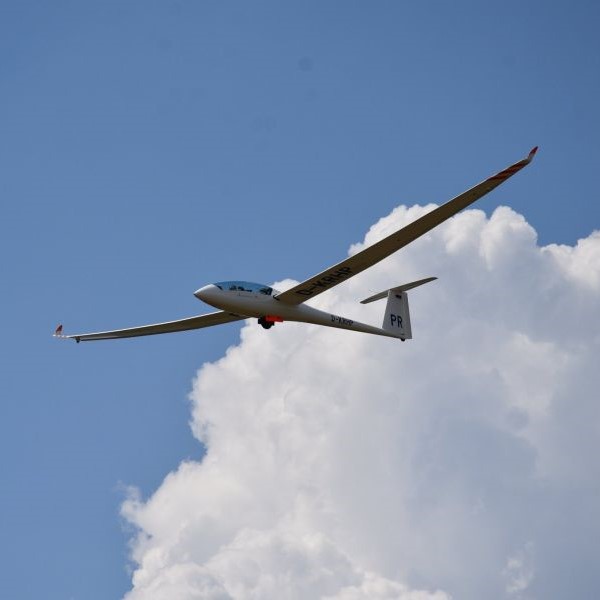
Gliding Courses At Aero Club di Rieti On AvPay
Listed:
September 5, 2023
Updated:
September 5, 2023
Courses carried out by qualified instructors in accordance with EASA regulations. Theory lessons are held at the Aeroclub briefing room, while ASK21 two-seater gliders are used for flight activities.
Powered Flight Courses At Aero Club di Rieti On AvPay
Listed:
September 5, 2023
Updated:
September 5, 2023
The courses are carried out by qualified instructors in accordance with EASA FCL regulations. Theory lessons are held at the Aero Club briefing room while for flight activities are used aircraft classified school PA-28; ROBIN DR 400; Aerobat C150.
Aerotow Gliding Courses with Norfolk Gliding Club at Tibenham Airfield3
Listed:
February 2, 2022
Updated:
February 9, 2024
Fancy learning to fly but not sure where to start?Book a Gliding Course with us today & fly into 2022! Our courses offer an excellent, exciting & affordable way to give it a go!

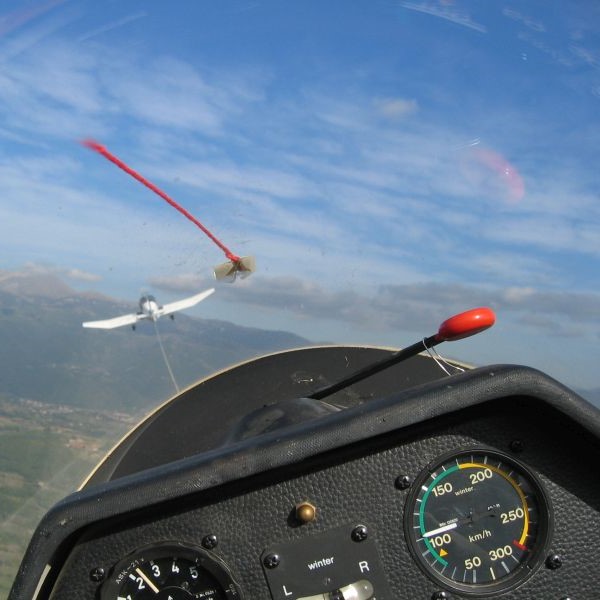
Sourcing Glider Aerotow Training

Glider aerotow training prepares pilots to safely launch behind a powered tow aircraft while developing accurate positioning, coordinated handling and strong situational awareness throughout the climb and release phases. Whether you are beginning glider instruction, converting from winch launch operations or expanding cross-country soaring capability, this page features providers offering aerotow glider training, launch conversion courses, instructional flights and advanced soaring development. Listings on AvPay include gliding clubs, instructors and specialist training organisations supporting pilots with structured aerotow instruction, operational guidance and practical launch experience across a range of sailplane types and operating environments.

Helpful Hints when Sourcing Glider Aerotow Training

✈ Confirm whether the provider offers ab initio aerotow instruction or only conversion training for already qualified glider pilots, as course structures and launch requirements can vary significantly.

✈ Ask what tow aircraft types are regularly used because tug performance, climb profiles and operating procedures can differ between powered aircraft and affect training quality.

✈ Check whether launch failure training is included within the course syllabus so you gain practical experience handling low-level emergencies and rope break procedures.

✈ Review local airspace complexity and traffic density before booking because busy gliding sites can influence launch frequency, airborne workload and instructional pacing.

✈ Ensure instructors are experienced in aerotow operations specifically, rather than general glider instruction alone, particularly if you are progressing towards cross-country soaring.

✈ Ask how weather delays are managed because aerotow training depends heavily on wind direction, cloud base and safe tow aircraft operating conditions throughout the day.

✈ Confirm whether training includes weak link procedures, rope break recognition and tow release malfunction handling, which are essential parts of safe aerotow operations.

✈ Review aircraft availability and launch capacity before travelling long distances because some clubs prioritise member operations during weekends and strong soaring conditions.

What to Consider when Choosing a Provider

When choosing a glider aerotow training provider, assess instructor experience, operational safety standards, launch frequency, aircraft condition and the suitability of the airfield environment for your training goals. Providers operating modern training sailplanes alongside reliable tug aircraft can often deliver more consistent instruction and higher daily launch rates. It is also worth reviewing whether the organisation supports progression into solo soaring, field landing training or cross-country development after aerotow qualification. Availability matters too, particularly during peak soaring months when launch demand increases. Through AvPay listings, you can contact providers directly via phone, email or WhatsApp to discuss course structure, launch methods and scheduling. You can also click the organisation’s name to explore their full company profile, operational capabilities and additional aviation services.

Market your Glider Aerotow Training Services on AvPay

AvPay helps gliding clubs, instructors and specialist training providers promote their aerotow training services to a targeted global aviation audience actively searching for glider instruction and launch conversion opportunities. A professional listing allows organisations to showcase aircraft types, instructor experience, launch capabilities and operational facilities while generating direct enquiries from pilots and aviation enthusiasts. Providers can present their services clearly through dedicated company profiles, helping prospective students compare training options and contact operators efficiently through multiple communication channels.

➤ List your Company and Services on AvPay

Frequently Asked Questions when Searching for Glider Aerotow Training

What is glider aerotow training?
Glider aerotow training teaches pilots how to safely launch behind a powered tow aircraft while maintaining correct positioning, handling and emergency awareness throughout the climb.

Is aerotow training suitable for beginner glider pilots?
Yes, many clubs provide aerotow instruction from the earliest stages of glider training, although some sites may combine aerotow and winch launch operations.

How many aerotow launches are normally required before solo?
The number varies depending on pilot progress, weather conditions and training frequency, although consistency and accurate tow positioning are key assessment areas.

What happens if the tow rope breaks during launch?
Pilots are trained to respond immediately using established rope break procedures appropriate to the aircraft height, airspeed and airfield layout.

Can powered aircraft pilots transition into glider aerotow training easily?
Many powered pilots adapt quickly, although gliding requires different energy management techniques and precise aircraft handling without engine power.

Do all gliding clubs offer aerotow launches?
No, some clubs primarily use winch launch systems while others operate both winch and aerotow services depending on infrastructure and operational preferences.

What aircraft are commonly used for aerotow operations?
Common tug aircraft include Pawnees, Super Cubs and touring aircraft modified specifically for glider towing and repetitive climb performance.

Is aerotow training useful for cross-country soaring?
Yes, aerotow launches often allow gliders to reach better soaring positions and higher release altitudes which can support longer cross-country flights.

Typical Aerotow Launch Sequence Explained

An aerotow launch uses a powered tug aircraft to tow a glider from the runway to a planned release height or soaring area. The sequence looks simple from the ground, but it depends on clear communication, correct positioning and disciplined handling from both the tug pilot and glider pilot. Understanding each stage helps pilots prepare properly, reduce workload and maintain safe separation throughout the launch.

Main Stages of an Aerotow Launch

✈ Pre-launch checks confirm the glider is configured correctly, controls are free, ballast is secure and both pilots understand the tow plan, release height and emergency actions.

✈ The tow rope is attached using the correct weak link and release system, with the ground crew checking routing, slack, signals and clear area ahead.

✈ As the tug takes up slack, the glider pilot keeps the wings level, confirms readiness and avoids premature brake release or unnecessary control movement.

✈ During the ground roll, the glider lifts off first and remains low behind the tug until the tug aircraft becomes airborne and establishes a safe climb.

✈ Once airborne, the glider maintains the correct tow position, using smooth coordinated inputs to stay aligned behind the tug and avoid rope oscillation.

✈ In turns, the glider follows the tug’s flight path accurately, maintaining spacing, bank awareness and steady attitude without cutting inside the tow aircraft.

✈ At release height, the glider pilot checks the area, releases the tow rope positively and turns away as briefed while the tug follows its standard descent route.

✈ After release, the glider pilot confirms normal flight, assesses lift, airspace and landing options and continues with the planned soaring or training exercise.

Why Sequence Discipline Matters

A good aerotow launch is calm, predictable and well briefed before the aircraft move. Small errors such as poor slack management, over-controlling or drifting out of position can quickly increase workload for both aircraft. Pilots who understand the full sequence are better prepared to manage abnormal situations and maintain safe, efficient launch operations.