


Fuel
















Sourcing Aircraft Fuel Services
Aircraft fuel services are a critical part of aviation ground operations, supporting everything from private piston aircraft and helicopters through to business jets, cargo aircraft and commercial airliners. These services may include Jet A-1 supply, Avgas refuelling, fuel release coordination, fuel testing, hydrant operations, mobile bowser support and fuel management for domestic and international flights. This page helps operators, flight departments, FBOs, charter companies and aviation professionals source trusted aircraft fuel providers capable of supporting efficient, compliant and reliable refuelling operations across airports worldwide. Providers listed on AvPay may also assist with fuel planning, contract fuel arrangements and operational coordination to help reduce delays and improve flight efficiency.
Helpful Hints when Sourcing Aircraft Fuel Services
✈ Always confirm the correct fuel grade for your aircraft before uplift, as misfuelling incidents involving Jet A-1 and Avgas remain a serious operational risk.
✈ Check whether the provider operates hydrant systems, fuel bowsers or static refuelling points, particularly when planning quick turnarounds or large aircraft movements.
✈ During international operations, verify fuel availability and operating hours in advance, especially at remote airports or locations with limited fuel infrastructure.
✈ Ask whether fuel releases or contract fuel programmes are accepted, as these arrangements can simplify payment processes and improve operational efficiency.
✈ For winter operations, confirm whether fuel providers can support anti-icing procedures and rapid turnaround requirements during adverse weather conditions.
✈ Ensure fuel providers follow recognised quality control and fuel sampling procedures before uplift to help reduce contamination and operational safety risks.
✈ If operating large business jets or commercial aircraft, check whether the airport has adequate fuel flow rates to avoid extended ground times during refuelling.
✈ Review additional charges carefully before confirming uplift, as after-hours callouts, minimum fuel quantities and apron positioning fees may apply.
What to Consider when Choosing a Provider
When choosing an aircraft fuel provider, operators should assess fuel availability, response times, pricing transparency and operational reliability. It is important to confirm the provider can support the required fuel type, aircraft category and turnaround schedule while maintaining recognised fuel quality and safety standards. Operators should also consider whether the company supports contract fuel programmes, international operations and coordinated ground handling where required. Availability outside standard operating hours can also be essential for charter, cargo and business aviation movements. Through AvPay listings, users can contact providers directly by phone, email or WhatsApp, while clicking the organisation’s name provides access to their full company profile and wider aviation support services.
Market your Aircraft Fuel Services on AvPay
AvPay helps aircraft fuel providers connect with operators, FBOs, charter companies, brokers and aviation professionals actively searching for refuelling support worldwide. A professional company profile allows you to showcase fuel availability, airport coverage, contract fuel capabilities and operational support services while generating direct enquiries from aviation businesses across the global market. Whether your organisation supports business aviation, cargo operations, flight training or commercial airline activity, AvPay provides targeted exposure within the aviation industry.
➤ List your Company and Services on AvPay
Frequently Asked Questions when Searching for Aircraft Fuel Services
✈ What types of aviation fuel are commonly available?
Most airports provide Jet A-1 for turbine aircraft and Avgas for piston-engine aircraft, although availability can vary by airport and region.
✈ What is a fuel release in aviation?
A fuel release allows operators to purchase fuel through a pre-approved fuel provider or contract fuel arrangement rather than direct local payment.
✈ Can aircraft fuel services operate outside normal hours?
Many airports and FBOs offer 24-hour refuelling support, although after-hours callout fees may apply at some locations.
✈ How do fuel providers check fuel quality?
Fuel suppliers typically carry out fuel sampling, filtration checks and contamination testing before uplift in line with aviation safety procedures.
✈ Do all airports provide Avgas?
No, Avgas availability is becoming more limited at some airports, so piston aircraft operators should always confirm supply in advance.
✈ What affects aircraft fuel pricing?
Fuel prices can vary depending on airport location, supply infrastructure, fuel volume, contract arrangements and local operational charges.
✈ Can fuel providers support quick turnarounds?
Yes, experienced providers regularly support rapid refuelling operations for business aviation, charter and commercial aircraft movements.
✈ Why is fuel planning important for international operations?
Fuel availability, uplift restrictions and regional pricing differences can all significantly affect operational planning and overall flight costs.
Jet A-1 vs Avgas Explained
Jet A-1 and Avgas are two of the most common aviation fuels, but they are designed for very different aircraft engines and operating requirements. Jet A-1 is a kerosene-based turbine fuel used by jet aircraft, turboprops and many helicopters, while Avgas is a high-octane petrol fuel used in piston-engine aircraft. Understanding the difference is essential for safe refuelling, accurate flight planning and avoiding misfuelling incidents that can cause serious engine damage or operational risk.
✈ Jet A-1 is used in turbine engines, including business jets, commercial airliners, turboprops and many turbine helicopters operating across domestic and international airports.
✈ Avgas is used in spark-ignition piston aircraft engines, particularly within general aviation, flight training, light aircraft operations and some vintage aircraft fleets.
✈ Jet A-1 is kerosene-based and has different combustion properties from Avgas, so it must never be treated as a direct replacement for piston aircraft fuel.
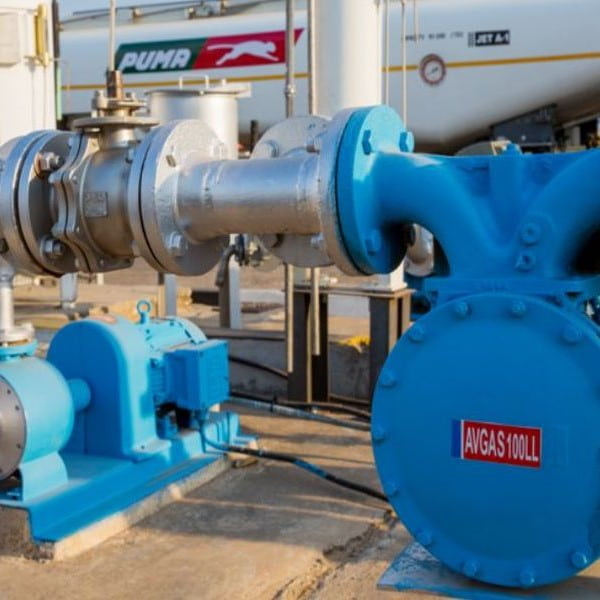
✈ Avgas is commonly supplied as 100LL, meaning low lead, although availability can vary by airport and region due to changing environmental and supply considerations.
✈ Misfuelling is a major safety concern, so operators should confirm aircraft registration, fuel grade, required uplift and tank selection before refuelling begins.
✈ Fuel availability should always be checked before departure planning, especially for Avgas users flying to remote airfields or airports focused mainly on turbine traffic.
✈ Jet A-1 is usually available at larger commercial and business aviation airports, where hydrant systems, fuel bowsers and high-volume uplift operations are common.
✈ Clear communication between pilots, handlers and fuel providers is essential, particularly when aircraft types have variants powered by different engine configurations.